The BMW 4 Series and the 3 Series Sedan represent two distinct yet closely related segments in BMW’s lineup, each catering to different preferences in style and performance. While both models share a common platform and engineering excellence, their design philosophies and target audiences set them apart.
In this article, we will explore the key differences and similarities between the two, focusing on the performance, aesthetics, and technology that define the driving experience. Join us as we delve into the comparison of the F32 BMW 4 Series vs. F30 Serie 3 Sedan, highlighting what makes each model unique and appealing to drivers around the world.
F32 BMW 4 Series vs. F30 3 Series: Key Differences Explained
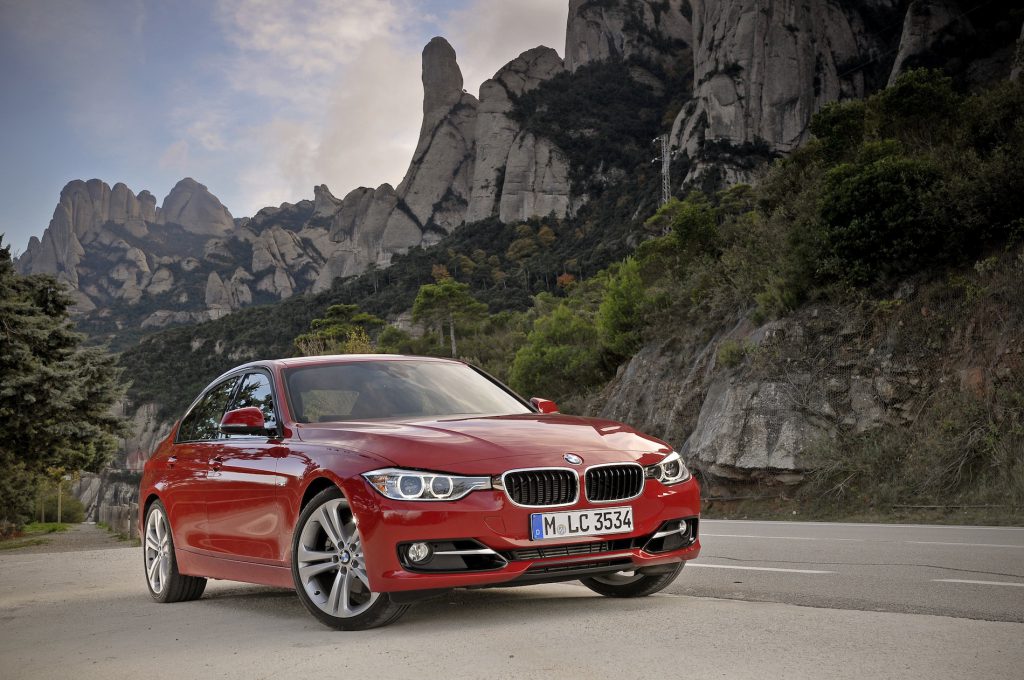
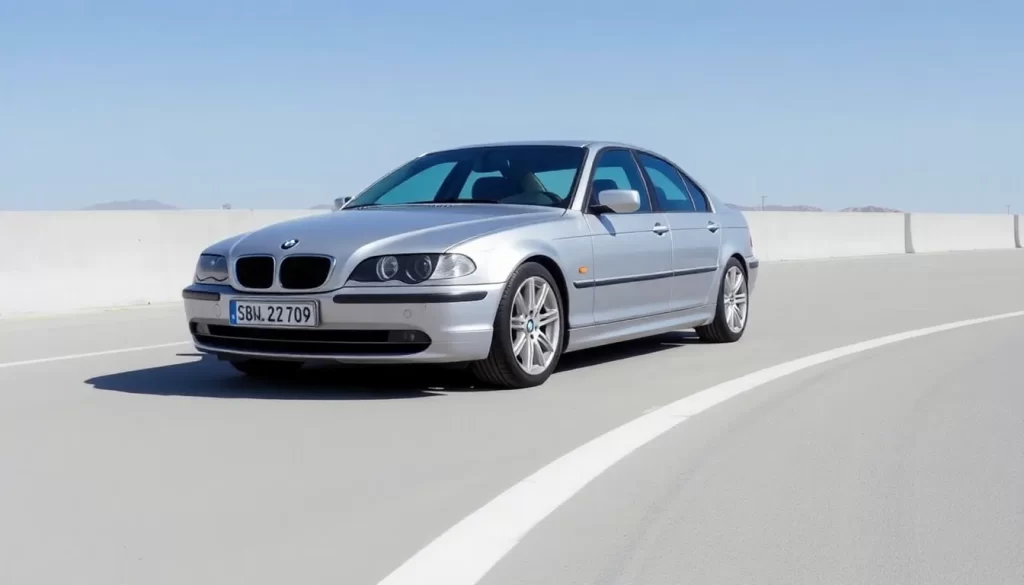
When comparing the BMW 4 F30 and the F32 BMW 4 Series, one of the most noticeable differences lies in their design. The F32 offers a more aggressive and sporty stance with its sleek lines and lower profile, while the F30 maintains a classic sedan silhouette that emphasizes practicality without sacrificing elegance. This makes the F32 more appealing to those who prioritize performance-oriented aesthetics.
Performance-wise, the BMW F30 vs F32 can also be distinguished by their handling characteristics. The F32 is engineered with a focus on a dynamic driving experience, featuring a sport-tuned suspension that enhances responsiveness. In contrast, the F30 is designed for a balanced ride, making it an excellent choice for daily commuting. Here’s a quick comparison:
- F32: Sportier suspension, enhanced agility.
- F30: Comfort-oriented suspension, balanced ride quality.
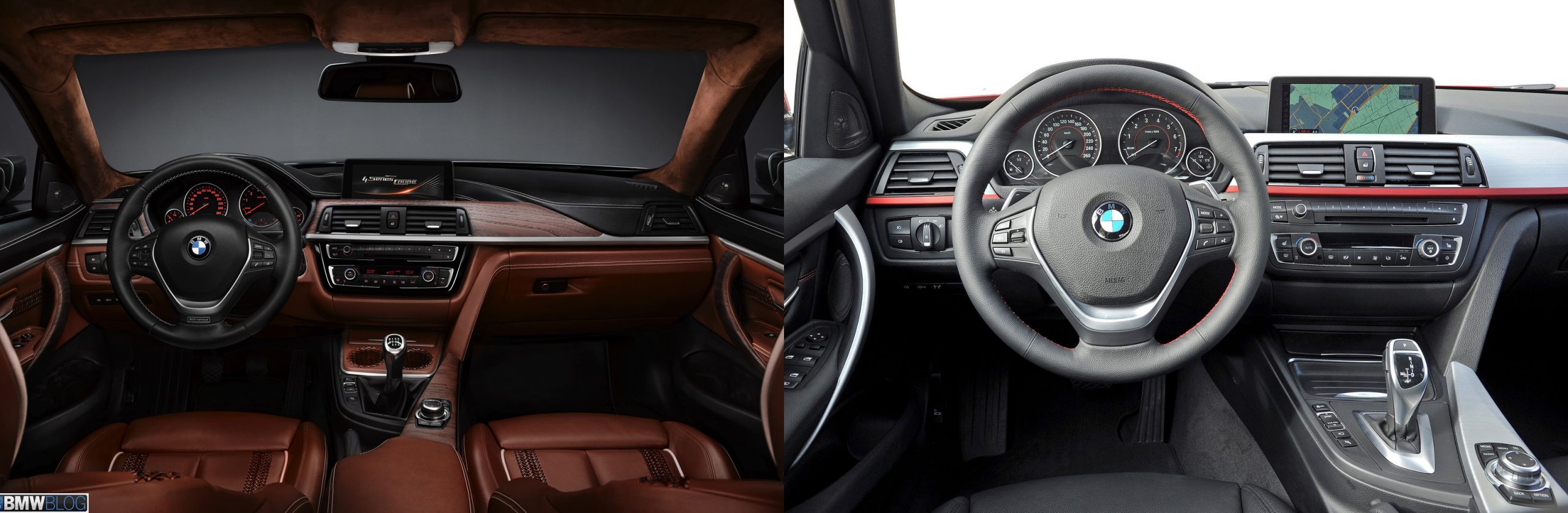
In terms of technology and interior features, both the F30 and F32 come equipped with BMW’s renowned infotainment systems; however, the F32 occasionally showcases more premium materials and finishes that cater to a sportier clientele. Additionally, while both models share a similar dashboard layout, the F32 may offer unique features tailored for an engaging driving experience, appealing to enthusiasts looking for the F30 F32 distinction.
Performance Comparisons: F32 vs. F30 in Real-World Conditions
When it comes to real-world performance, the F32 BMW 4 Series and F30 differ significantly in how they handle various driving conditions. The F32, with its emphasis on sportiness, tends to excel in tight corners and dynamic maneuvers, offering a more exhilarating driving experience. In contrast, the F30 provides a commendable performance for everyday driving scenarios, prioritizing comfort and stability over sheer sportiness.
One key aspect to consider is the engine options available for both models. The F32 often comes with more powerful engine configurations, allowing for quicker acceleration and higher top speeds. Here’s a brief comparison of their engine performance:
- F32: Optional turbocharged engines with higher horsepower ratings.
- F30: Standard engines that focus on fuel efficiency and reliability.
Furthermore, the F30 vs F32 debate extends to their braking performance. The F32 features larger brakes that offer better stopping power, particularly beneficial for spirited driving. On the other hand, the F30’s braking system is tuned for everyday use, providing a smoother experience for daily commutes. This distinction plays a crucial role in how drivers perceive comfort and control in varied driving conditions.
In summary, while both the F30 F32 models share BMW’s commitment to quality, their real-world performance reveals distinct characteristics that cater to different driving styles. Whether one prefers the sporty edge of the F32 or the balanced practicality of the F30, understanding these nuances helps potential buyers make an informed choice.
Design and Aesthetics: How the F32 and F30 Stand Out
The design and aesthetics of the F32 BMW 4 Series and F30 3 Series Sedan reveal their unique identities within the BMW lineup. The F32 stands out with its coupé-inspired silhouette, featuring a more aggressive front fascia and a sweeping roofline that enhances its sporty character. In contrast, the F30 maintains a classic sedan profile, prioritizing functionality while still exuding elegance. This fundamental difference makes the F30 vs F32 comparison particularly intriguing for buyers looking for either sporty flair or practical sophistication.
Both models incorporate BMW’s signature design elements, but they do so in distinct ways. The F32’s sharp lines and bold contours emphasize its sportiness, while the F30’s refined aesthetics focus on a more mature, understated elegance. Key visual aspects include:
- F32: Lower stance, sporty grille, and dynamic lighting.
- F30: More upright roofline, elongated proportions, and subtle character lines.
The interiors of both vehicles reflect their design philosophies as well. The F32 often features sport-oriented design cues, such as sport seats and racing-inspired accents, appealing to driving enthusiasts. Meanwhile, the F30 offers a more luxurious feel with high-quality materials that focus on comfort and convenience. This juxtaposition highlights how the BMW F30 vs F32 conversation extends beyond performance into the realm of driver experience.
To further illustrate their aesthetic appeal, consider the following comparison of key design elements:
| Feature | F32 BMW 4 Series | F30 3 Series Sedan |
|---|---|---|
| Exterior Style | Aggressive, sporty | Elegant, functional |
| Interior Design | Sporty accents | Luxury-focused |
| Target Audience | Performance enthusiasts | Everyday drivers |
Interior Features and Comfort: F32 4 Series vs. F30 3 Series
When it comes to interior features and comfort, the F32 BMW 4 Series and the F30 3 Series Sedan offer distinct experiences tailored to their respective audiences. The F32 boasts a more driver-focused cockpit, often equipped with sport seats that provide enhanced support during spirited driving. In contrast, the F30 leans towards a more spacious and comfortable layout, making it ideal for families and daily commutes.
Both models feature BMW’s intuitive infotainment systems, but the F32’s interior may utilize higher-quality materials that resonate with a sportier aesthetic. Additionally, the F32 often includes unique features such as upgraded audio systems and customizable ambient lighting, enhancing the overall driving experience for enthusiasts looking for the F30 vs F32 distinction. Here are some key differences:
- F32: Sport-oriented design, premium materials, advanced infotainment options.
- F30: Spacious feel, focus on comfort, user-friendly tech.
Another notable aspect in the f30 f32 comparison is the sound insulation and cabin quietness. The F30 is designed with everyday usability in mind, offering a serene environment conducive to long drives. Conversely, while the F32 provides a sporty ambiance, it may prioritize engine sound and road feedback, which some drivers may find exhilarating but others might see as less refined. This distinction is crucial for buyers assessing comfort preferences in the BMW F30 vs F32 debate.
Pricing and Value: Is the F32 Worth the Upgrade from the F30?
When considering whether the F32 is worth the upgrade from the F30, pricing plays a significant role. Generally, the F32 BMW 4 Series tends to be priced higher than the F30 due to its sporty design and enhanced performance features. However, buyers should weigh the additional costs against the benefits of owning a vehicle that delivers a more engaging driving experience. The BMW F30 vs F32 decision ultimately hinges on how much value one places on sportiness and aesthetics versus everyday practicality.
In terms of resale value, the F32 often holds its worth better than the F30, thanks to its more desirable coupé styling and performance capabilities. Potential buyers looking at the F30 F32 comparison should consider long-term ownership costs and resale projections. Here are some factors affecting value retention:
- F32: Higher demand due to sporty image.
- F30: Steady value but may depreciate faster.
Another aspect to consider is the available technology packages. The F32 usually offers more advanced options, which can justify the higher pricing for tech-savvy consumers. Features like enhanced audio systems and driver-assist technologies may be more readily available in the F32, making it a tempting upgrade for those who prioritize modern conveniences. This technological edge can greatly influence buyer preferences in the F30 vs F32 debate.
Ultimately, whether the upgrade from the F30 to the F32 is worth it depends on individual priorities. If driving dynamics, aesthetics, and advanced features are paramount, the F32 may be the clear choice. However, for those valuing practicality and budget, the F30 remains a formidable option, showcasing BMW’s commitment to performance and luxury at a more accessible price point.
Which Model Suits Your Driving Style: F32 or F30?
Choosing between the F32 BMW 4 Series and the F30 3 Series Sedan ultimately hinges on your unique driving style. If you favor a sportier experience with agile handling and a responsive throttle, the F32 is designed to meet those demands. Its emphasis on performance makes it a magnet for driving enthusiasts who relish the thrill of the road. On the other hand, if your daily driving includes family trips or long commutes, the F30 offers a more comfortable ride with ample space and a focus on practicality.
Consider the following factors when deciding which model suits your driving style:
- Driving Dynamics: F32 provides a sport-tuned experience.
- Comfort Needs: F30 excels in spaciousness and ride comfort.
- Performance vs. Practicality: F32 is for those prioritizing sportiness; F30 caters to everyday usability.
In terms of features, the F30 vs F32 dynamic also comes into play. The F32 may include sportier design elements and premium materials that appeal to those with a more performance-oriented mindset. However, the F30 provides a well-rounded package equipped with high-quality technology and user-friendly interfaces, making it perfect for tech-savvy individuals who prioritize convenience over outright performance. Understanding these differences can help potential buyers align their choice with their lifestyle.
Ultimately, the decision between the F30 and F32 models should reflect your personal preferences and driving habits. Whether you’re drawn to the sporty aesthetics and dynamic capabilities of the F32 or the balanced comfort and practicality of the F30, each model offers distinct advantages that cater to different styles of driving. Taking the time to assess your priorities will guide you towards the right choice in the BMW F30 vs F32 conversation.
No te pierdas: