The world of high-performance sports cars is a thrilling arena where engineering excellence meets exhilarating driving experiences. In this article, we will explore the unique qualities and driving dynamics of four remarkable contenders: the BMW M4, Porsche Cayman GT4, BMW i8, and Lexus RC F. Each model brings its own blend of power, precision, and style, showcasing what true automotive performance can achieve.
As we delve into the comparison of these impressive vehicles, the debate of BMW M4 vs Porsche Cayman GT4 vs BMW i8 vs Lexus RC F emerges, highlighting their distinctive strengths and capabilities. Whether you seek the raw power of the M4, the track-focused finesse of the Cayman GT4, the innovative hybrid performance of the i8, or the robust character of the RC F, this showdown promises to reveal which car truly reigns supreme in the realm of sports performance.
Comparing Performance: BMW M4 vs Porsche Cayman GT4 vs BMW i8 vs Lexus RC F
When it comes to performance, the BMW M4 stands out with its powerful inline-six engine, delivering thrilling acceleration and a robust sound that excites enthusiasts. With its impressive 0-60 mph time of around 4.1 seconds, the M4 is designed for those who crave speed and agility on both the road and the track. Its advanced chassis dynamics provide exceptional handling and stability, making it a formidable competitor.
In contrast, the Porsche Cayman GT4 is engineered with a focus on track performance. Its naturally aspirated flat-six engine offers a visceral driving experience, with a 0-60 mph time of approximately 4.2 seconds. The GT4’s lightweight construction and refined suspension system allow for unparalleled cornering capabilities, making it a favorite among driving purists who value precision over sheer power.
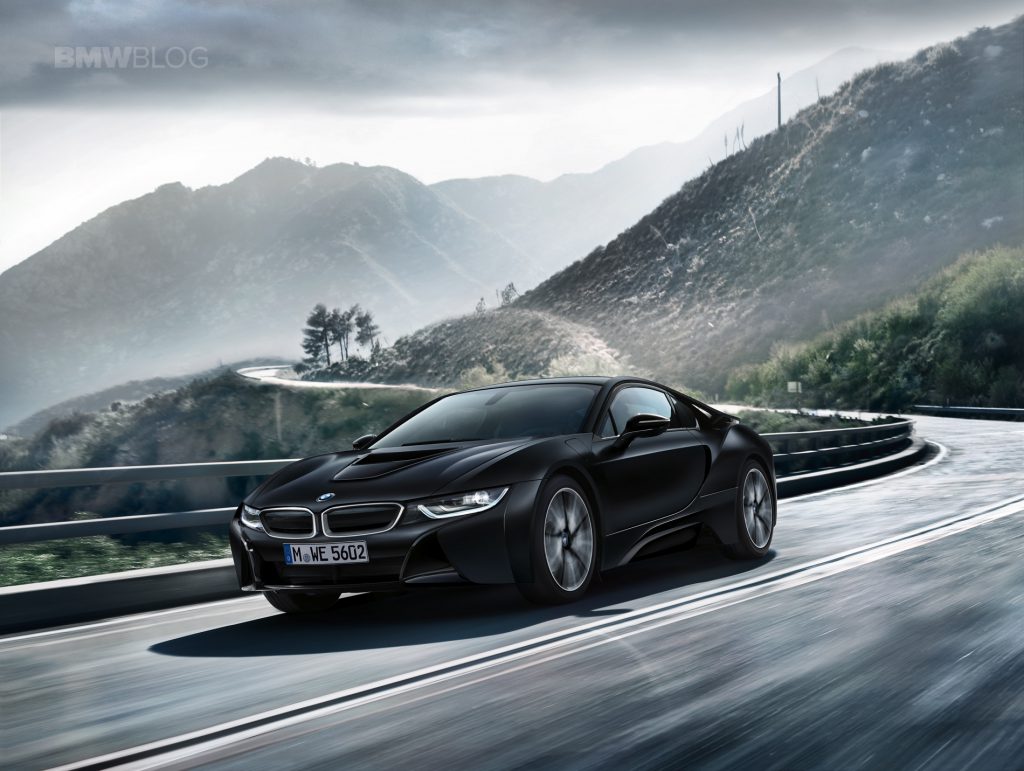
The BMW i8, with its hybrid powertrain, represents a different approach to performance. Combining a turbocharged three-cylinder engine with an electric motor, it delivers a combined output of around 369 horsepower. The i8 accelerates from 0-60 mph in about 4.2 seconds, but what sets it apart is its focus on efficiency and innovative technology, appealing to those who seek sustainability alongside performance.
Lastly, the Lexus RC F showcases a muscular V8 engine that produces an exhilarating sound and impressive power. With a 0-60 mph time of approximately 4.2 seconds, the RC F offers a balance of performance and refinement, appealing to those who appreciate a luxurious driving experience without compromising on speed. Each of these vehicles brings unique attributes to the table, making the choice a matter of personal preference in the high-performance sports car segment.
Design and Aesthetics: How BMW M4 and Porsche Cayman GT4 Stand Out
The BMW M4 and Porsche Cayman GT4 are not just performance machines; they are breathtaking examples of automotive design. The M4 features aggressive lines and a bold front fascia, characterized by its prominent kidney grilles that reflect its potent performance pedigree. The aerodynamic shape is not just for show; it enhances downforce and stability at high speeds, giving it a commanding presence on the road.
In contrast, the Porsche Cayman GT4 embodies a more understated elegance. Its sleek silhouette is marked by smooth curves and a low stance that hint at its sporty capabilities. The rear spoiler and distinctive rear lights contribute to its aerodynamic efficiency while enhancing its aesthetic appeal. This design philosophy prioritizes functionality, making it one of the most visually striking models in the Porsche lineup.
Both vehicles utilize lighting elements to enhance their designs. The BMW M4’s adaptive LED headlights ensure visibility in any conditions, while its signature daytime running lights add to its aggressive look. Similarly, the Cayman GT4 employs LED technology, providing a modern touch that complements its overall sleek design. These features not only boost aesthetics but also improve safety and functionality.
Ultimately, the choice between the BMW M4 and Porsche Cayman GT4 comes down to personal taste. While the M4 boasts a bold, muscular appearance appealing to those who love a strong presence, the Cayman GT4 draws in enthusiasts with its elegant, performance-oriented design. Each model encapsulates the essence of its brand, making them standout contenders in the world of high-performance sports cars.
Cost of Ownership: Analyzing BMW i8, Lexus RC F, and Their Competitors
When assessing the cost of ownership for the BMW i8 and Lexus RC F, potential buyers should consider several factors, including maintenance, fuel efficiency, and depreciation. The i8, being a hybrid, typically offers lower fuel costs, but its specialized parts can lead to higher maintenance expenses. In contrast, the RC F, with its powerful V8 engine, may consume more fuel but often has lower repair costs due to the availability of parts.
In addition to fuel and maintenance costs, insurance premiums can significantly impact ownership expenses. Owners of high-performance vehicles like the i8 and RC F often face higher rates due to their value and performance capabilities. Here’s a brief breakdown of some key cost considerations:
- Maintenance: BMW i8 may require specialized servicing.
- Fuel Efficiency: i8 is more efficient than RC F.
- Insurance Costs: Both vehicles attract higher premiums.
- Depreciation: Luxury sports cars experience steep depreciation rates.
Additionally, a comparison of the estimated annual costs can provide clarity on ownership burdens. A simple table illustrates these aspects:
| Vehicle | Annual Maintenance Cost | Average Fuel Economy (MPG) | Insurance Cost |
|---|---|---|---|
| BMW i8 | $1,200 | 76 (combined) | $2,500 |
| Lexus RC F | $800 | 20 (combined) | $2,300 |
Ultimately, the cost of ownership for the BMW i8 and Lexus RC F varies significantly based on individual driving habits and preferences. While the i8 might appeal to those prioritizing efficiency, the RC F could attract enthusiasts who value performance and a thrilling driving experience. Careful consideration of these factors is essential for potential buyers in making an informed decision.
Driving Experience: BMW M4 versus Porsche Cayman GT4 and Lexus RC F
When it comes to the driving experience, the BMW M4 offers a blend of raw power and engineering finesse. Its responsive steering and powerful acceleration create a thrilling atmosphere, especially on winding roads. The M4’s advanced technology, such as its adaptive suspension, allows drivers to adjust their ride characteristics, enhancing comfort without sacrificing performance. This adaptability makes the M4 a versatile choice for both daily driving and spirited track sessions.
In contrast, the Porsche Cayman GT4 is built with a singular focus on track performance. Its precise handling and lightweight design contribute to an unparalleled driving experience. The Cayman GT4’s rear-wheel-drive layout and exceptional balance inspire confidence when cornering. Enthusiasts appreciate its direct feedback and immediate response, making every turn feel like an extension of the driver’s intentions. This model is truly engineered for those who prioritize the connection between car and road.
The Lexus RC F presents a different flavor of driving excitement, combining luxury with performance. The robust V8 engine delivers a growling soundtrack that excites drivers, while its well-tuned suspension system offers stability and comfort. The RC F excels in providing a high-performance experience without compromising on the plush feel characteristic of Lexus vehicles. This makes it an attractive option for those who want both speed and a touch of refinement in their driving experience.
Ultimately, the choice between the M4, Cayman GT4, and RC F hinges on personal preferences regarding driving dynamics. Whether it’s the M4’s all-around capability, the Cayman GT4’s track-oriented precision, or the RC F’s blend of performance and luxury, each vehicle delivers a unique driving sensation that appeals to different types of enthusiasts. Understanding these characteristics will help potential buyers find their ideal companion on the road.
Technology and Features in BMW i8 and Its Rivals
When comparing the BMW i8 with its rivals, it’s essential to highlight the innovative technology that sets it apart. The i8 features a plug-in hybrid powertrain, combining a turbocharged three-cylinder engine with an electric motor, offering drivers both performance and efficiency. Notably, its use of lightweight carbon-fiber reinforced plastic enhances agility while reducing fuel consumption, making it a pioneer in sustainable sports car design.
On the other hand, the Porsche Cayman GT4 and Lexus RC F emphasize advanced engineering in their respective forms. The Cayman GT4 is equipped with a sophisticated chassis and active aerodynamics, allowing for exceptional handling on the track. Its intuitive infotainment system provides real-time performance data, appealing to driving enthusiasts who crave feedback and engagement. Meanwhile, the RC F boasts technology like the Lexus Safety System+, which includes adaptive cruise control and lane-keeping assist, ensuring a secure driving experience without sacrificing sportiness.
Additionally, the BMW i8 showcases a wealth of modern features, such as a high-resolution display and a premium sound system that enhance the driving experience. The integration of smartphone connectivity allows for seamless navigation and entertainment options, appealing to tech-savvy drivers. In contrast, the BMW M4 and Porsche Cayman GT4 focus on performance-oriented features like adjustable drive modes and customizable traction control, catering to those who prioritize dynamic driving performance over luxury amenities.
Ultimately, each model brings a unique blend of technology and features to the table. The BMW i8 leads with its hybrid innovation and eco-friendly design, while the Porsche Cayman GT4 and Lexus RC F showcase advanced performance technologies that enhance their driving capabilities. Assessing these technologies helps potential buyers determine which sports car aligns best with their driving style and technological preferences.
Track Performance: Which is Faster, BMW M4 or Porsche Cayman GT4?
When it comes to track performance, the rivalry between the BMW M4 and Porsche Cayman GT4 is intense. The M4, with its powerful inline-six engine, delivers impressive acceleration, making it a strong contender on the track. It showcases advanced technology like adaptive suspension, which enhances its handling dynamics. However, the Cayman GT4 stands out with its lightweight construction and rear-wheel-drive configuration, offering a more agile and responsive feel during cornering.
In terms of lap times, the Porsche Cayman GT4 has been known to outperform the M4 in track environments due to its precise handling and superior aerodynamics. The GT4’s naturally aspirated flat-six engine, coupled with its low center of gravity, allows it to excel in tight turns, thereby enhancing its overall performance on the track. Here’s a quick comparison of their track capabilities:
- BMW M4: Strong acceleration, adaptive handling features.
- Porsche Cayman GT4: Exceptional cornering, lightweight design.
- Lap Time: GT4 generally faster by a few seconds on standard tracks.
Both vehicles, however, provide an exhilarating experience and showcase the engineering prowess of their respective manufacturers. For enthusiasts looking to push their limits on the track, the Cayman GT4 may offer the edge in terms of precise control and handling. Ultimately, the choice between these two performance cars could come down to personal preference regarding driving style and the type of performance desired.
No te pierdas: El BMW M4 y el i8, entre los 10 mejores deportivos de Carbuyer
 BMW podría tener que aumentar la producción del i8 para satisfacer la alta demanda
 BMW ofrece colores individuales para el deportivo híbrido i8
 Un funcionario de BMW desmiente los rumores sobre un modelo i8 S más potente