The world of high-performance sports cars is a thrilling arena where innovation meets speed and style. Each model has its own unique identity, offering drivers an exhilarating experience on the road and track. Among these standout vehicles, the BMW M4, i8, Porsche 911 Turbo S, Camaro Z/28, Jaguar F-Type, Nissan GT-R represent the pinnacle of automotive engineering and design.
From the dynamic handling of the BMW M4 to the electrifying performance of the i8, these cars are built for enthusiasts who crave power and precision. The Porsche 911 Turbo S exemplifies timeless performance, while the Camaro Z/28 and Jaguar F-Type deliver raw power and striking aesthetics. Meanwhile, the Nissan GT-R continues to push the boundaries of technology and speed, making it a formidable contender in this elite category.
The Ultimate Showdown: BMW M4 vs. Porsche 911 Turbo S
The rivalry between the BMW M4 and the Porsche 911 Turbo S is a captivating narrative in the sports car world, showcasing two distinct philosophies of performance and design. The M4 is celebrated for its aggressive styling and rear-wheel-drive dynamics, delivering an exhilarating driving experience that demands attention on the road. In contrast, the 911 Turbo S embodies a legacy of innovation and engineering excellence, offering a blend of power and sophistication that appeals to purists and casual drivers alike.
When comparing their performance metrics, both cars stand out for their impressive specifications. The M4 boasts a powerful inline-six engine, while the 911 Turbo S features a turbocharged flat-six, providing a thrilling rush of acceleration. Below is a brief comparison of key features:
- Engine Power: M4: 473 hp (standard), 503 hp (competition) | 911 Turbo S: 640 hp
- 0-60 mph: M4: 4.1 seconds (standard), 3.8 seconds (competition) | 911 Turbo S: 2.6 seconds
- Top Speed: M4: 155 mph (limited) | 911 Turbo S: 205 mph
Handling and driving dynamics further distinguish these two contenders. The M4’s rear-wheel-drive setup creates a lively feel, ideal for spirited driving on winding roads. Conversely, the all-wheel-drive system of the Porsche 911 Turbo S not only enhances grip but also provides confidence in various driving conditions. This makes it an excellent choice for those who prioritize stability without sacrificing performance.
Exploring the Performance Features of the Nissan GT-R and Jaguar F-Type
When it comes to high-performance vehicles, the Nissan GT-R and Jaguar F-Type stand out for their unique engineering and design philosophies. The GT-R, often referred to as «Godzilla,» features a robust 3.8-liter twin-turbo V6 engine that delivers an impressive 565 horsepower. Its advanced aerodynamics and all-wheel-drive system ensure exceptional stability and grip, making it a formidable choice for track enthusiasts.
In comparison, the Jaguar F-Type offers a different flavor of performance with its sleek design and powerful engine options, ranging from a 2.0-liter turbocharged inline-four to a 5.0-liter supercharged V8, producing up to 575 horsepower. The F-Type’s rear-wheel or all-wheel-drive configurations provide a thrilling driving experience, coupled with an unmistakable growl that resonates with sports car lovers.
- Engine Power: GT-R: 565 hp | F-Type: 575 hp (V8)
- Acceleration (0-60 mph): GT-R: 2.9 seconds | F-Type: 3.5 seconds (V8)
- Top Speed: GT-R: 196 mph | F-Type: 186 mph (V8)
Both models showcase exceptional performance features, but their handling characteristics set them apart. The Nissan GT-R is known for its precise steering and cornering capabilities, allowing drivers to push their limits with confidence. In contrast, the Jaguar F-Type excels in delivering a more visceral driving experience, with its responsive throttle and engaging dynamics that make every drive memorable.
Camaro Z/28 vs. BMW M4: Which Muscle Car Reigns Supreme?
The Camaro Z/28 and BMW M4 represent two iconic pillars of American and German muscle car heritage, each with its own distinctive character. The Z/28 is known for its raw power, aggressive styling, and track-ready performance, making it a favorite among purists who crave the essence of muscle car driving. In contrast, the M4 blends luxury with performance, offering advanced technology and a refined driving experience that appeals to a broader audience.
When comparing their performance capabilities, the Camaro Z/28 stands out with its naturally aspirated V8 engine, delivering a thrilling sound and robust acceleration. On the other hand, the BMW M4 employs a turbocharged inline-six engine, providing impressive power efficiency and responsiveness. Here’s a quick overview of their performance metrics:
| Feature | Camaro Z/28 | BMW M4 |
|---|---|---|
| Engine Power | 505 hp | 473 hp (standard), 503 hp (competition) |
| 0-60 mph | 3.8 seconds | 4.1 seconds (standard), 3.8 seconds (competition) |
| Top Speed | 175 mph | 155 mph (limited) |
Ultimately, the choice between the Camaro Z/28 and the BMW M4 boils down to driving preferences. Enthusiasts who favor a visceral connection to the road may lean towards the Z/28’s muscular attributes, while those seeking a balance of luxury and performance will find the M4’s technical prowess and comfort hard to resist. Each model represents a unique approach to what it means to drive a muscle car, making the decision a thrilling personal journey.
A Closer Look at the Hybrid Technology of the BMW i8
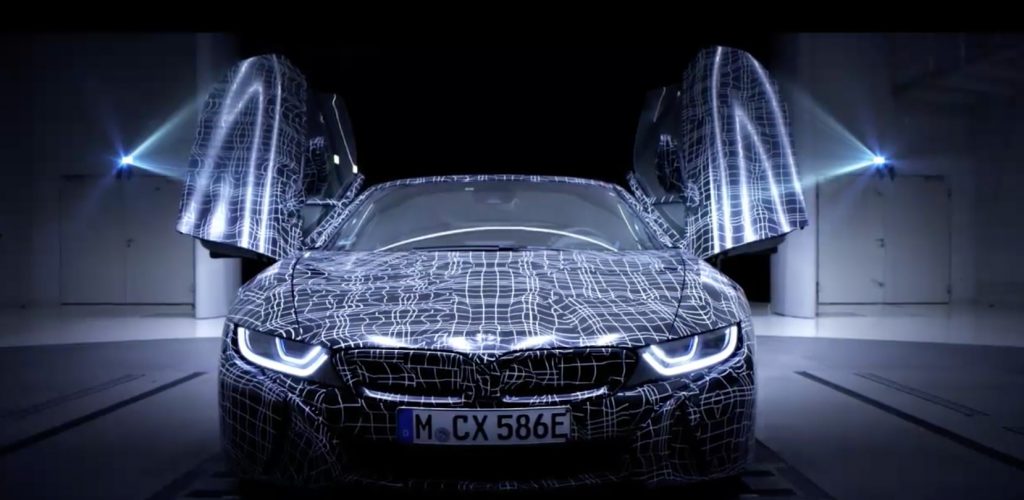
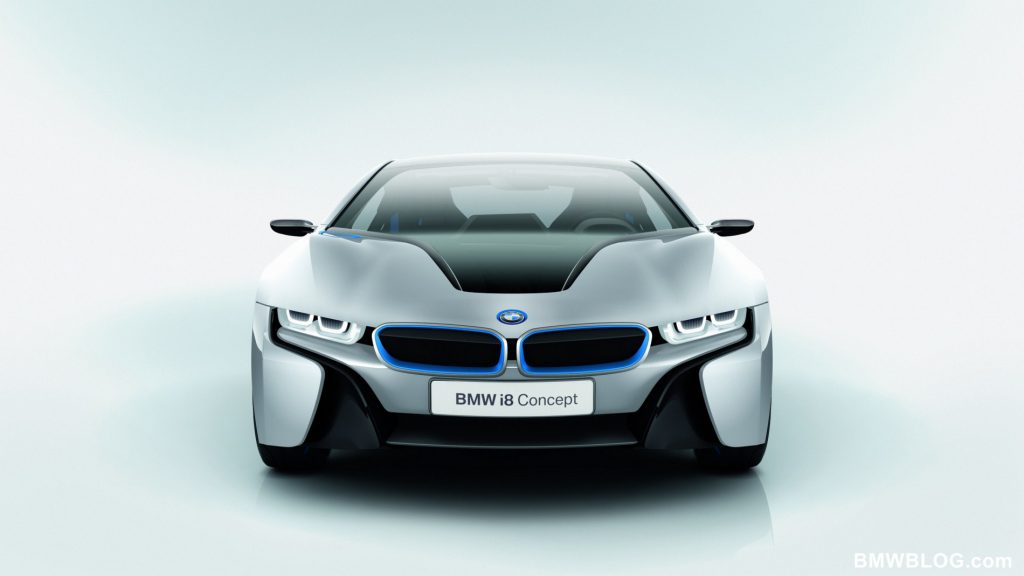
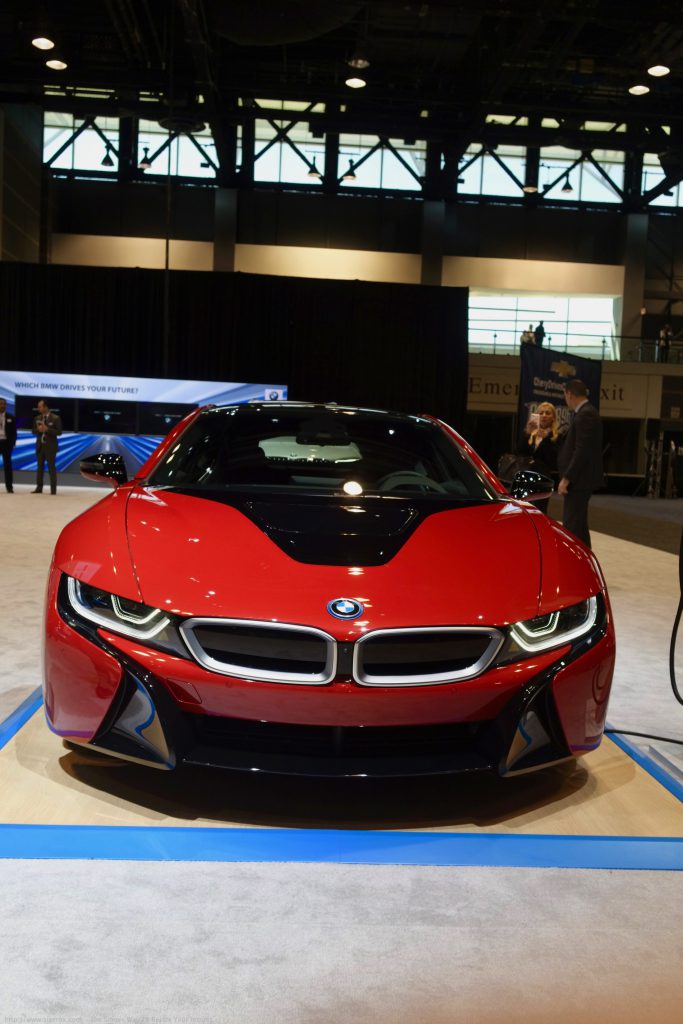
The BMW i8 stands out in the realm of hybrid sports cars, combining futuristic design with groundbreaking technology. At the heart of this vehicle is a sophisticated plug-in hybrid powertrain that consists of a turbocharged 1.5-liter three-cylinder engine paired with an electric motor. This innovative setup allows the i8 to produce a combined output of 369 horsepower, delivering a seamless blend of efficiency and performance.
One of the most remarkable aspects of the i8’s hybrid technology is its ability to operate in various modes. Drivers can choose between electric-only driving, which enables a silent and emission-free experience for short distances, or hybrid mode, where both the gasoline engine and electric motor work in tandem. This versatility not only enhances driving dynamics but also promotes sustainability, making the i8 a pioneer in eco-conscious performance.
The i8’s lightweight construction plays a crucial role in its performance. The use of carbon-fiber reinforced plastic (CFRP) and aluminum significantly reduces weight, allowing for improved acceleration and handling. Additionally, the regenerative braking system captures energy during braking, feeding power back to the battery to extend electric range. This efficiency is key to the i8’s ability to achieve up to 76 MPGe in electric mode.
In summary, the BMW i8 exemplifies how hybrid technology can transform the driving experience without compromising on performance. With its innovative design, impressive powertrain, and sustainable features, the i8 sets a new standard for what a high-performance sports car can achieve in an environmentally conscious world. As hybrid technology continues to evolve, the i8 remains a beacon of what the future holds for automotive enthusiasts.
Comparative Review: Driving Experience of the Porsche 911 Turbo S and Nissan GT-R
When comparing the driving experience of the Porsche 911 Turbo S and the Nissan GT-R, enthusiasts often highlight the distinct engineering philosophies that shape each vehicle. The 911 Turbo S, with its renowned rear-engine layout, delivers a unique balance of power distribution and grip, allowing for seamless acceleration and cornering capabilities. In contrast, the GT-R’s all-wheel-drive system offers exceptional traction, making it a reliable choice for spirited driving in diverse conditions.
The Porsche 911 Turbo S excels in providing a refined driving experience with its sophisticated suspension and precise steering. This model is designed for drivers who appreciate a blend of comfort and performance, ensuring that each journey is as thrilling as it is enjoyable. On the other hand, the Nissan GT-R is often described as more raw and aggressive, appealing to those who value an exhilarating connection to the road and a more visceral driving experience.
Performance metrics further illustrate their differences: while both vehicles boast impressive acceleration, the 911 Turbo S achieves a stunning 0-60 mph time of just 2.6 seconds thanks to its turbocharged engine. The GT-R, while slightly behind at 2.9 seconds, compensates with remarkable handling and cornering prowess, allowing drivers to push the limits with confidence. Here’s a brief comparison of some key attributes:
| Feature | Porsche 911 Turbo S | Nissan GT-R |
|---|---|---|
| Engine Power | 640 hp | 565 hp |
| 0-60 mph | 2.6 seconds | 2.9 seconds |
| Top Speed | 205 mph | 196 mph |
Ultimately, the choice between the Porsche 911 Turbo S and Nissan GT-R comes down to personal preference and driving style. While the 911 Turbo S appeals to those seeking a luxurious yet high-performance ride, the GT-R captivates those who crave an unfiltered driving experience. Both vehicles embody the spirit of modern sports cars, each offering their own enticing blend of speed, technology, and excitement.
Stylish Sports Cars: Aesthetic Designs of the Jaguar F-Type and BMW M4
When it comes to stylish sports cars, the Jaguar F-Type and BMW M4 exemplify the fusion of aesthetic appeal and high-performance engineering. The F-Type stands out with its sleek contours and aggressive stance, evoking a sense of power and elegance on the road. In contrast, the M4 exhibits a bold and muscular design, characterized by its signature kidney grilles and sharp lines that accentuate its sporty character. Both cars are designed to turn heads and ignite passion among car enthusiasts.
The interior of these vehicles further enhances their allure, offering a blend of comfort and cutting-edge technology. The Jaguar F-Type features premium materials and an intuitive infotainment system, providing a driver-focused environment that complements its performance capabilities. Meanwhile, the BMW M4 boasts an ergonomic layout with advanced tech features, emphasizing functionality without sacrificing luxury. Here are some key design elements that make each model special:
- Jaguar F-Type: Sleek silhouette, LED headlights, customizable interior lighting.
- BMW M4: Iconic kidney grilles, aerodynamic bodywork, driver-centric cockpit.
Both the Jaguar F-Type and BMW M4 also emphasize performance through their design. The aerodynamic shapes of these vehicles are not just for show; they enhance stability at high speeds and promote efficient airflow. The F-Type’s lightweight construction and the M4’s advanced chassis technology contribute to their exhilarating driving experiences, making them not only stylish but also incredibly capable on both road and track. This combination of aesthetic design and performance engineering ensures that both models remain at the forefront of the sports car segment.
No te pierdas: BMW podría tener que aumentar la producción del i8 para satisfacer la alta demanda
 BMW ofrece colores individuales para el deportivo híbrido i8
 Un funcionario de BMW desmiente los rumores sobre un modelo i8 S más potente
 BMW construyó en su día un i8 de pila de combustible de hidrógeno
 El ganador del BMW Open, Alexander Zverev, se lleva a casa un BMW i8