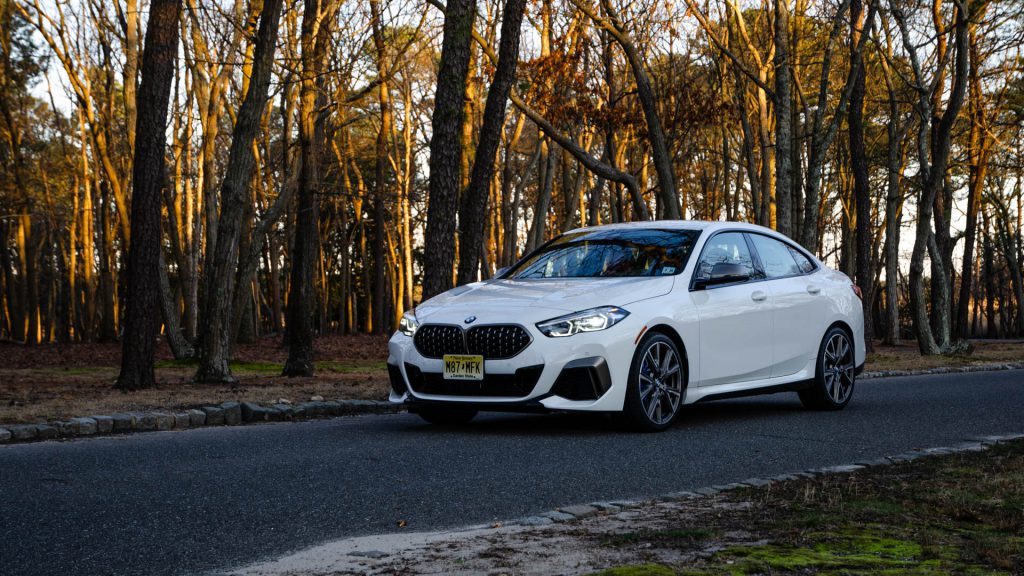
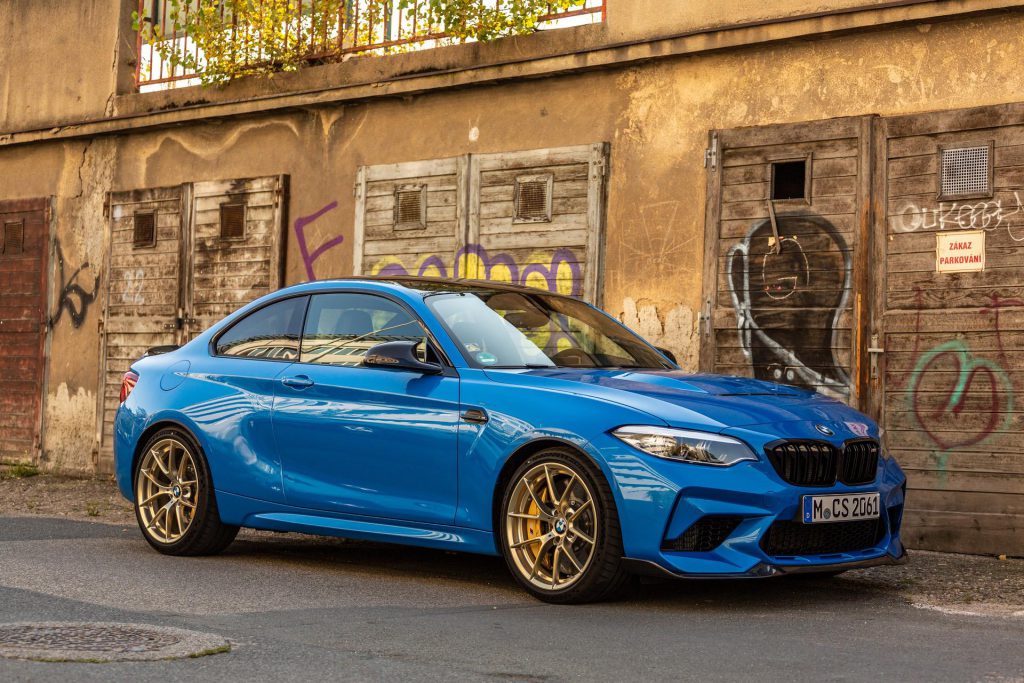
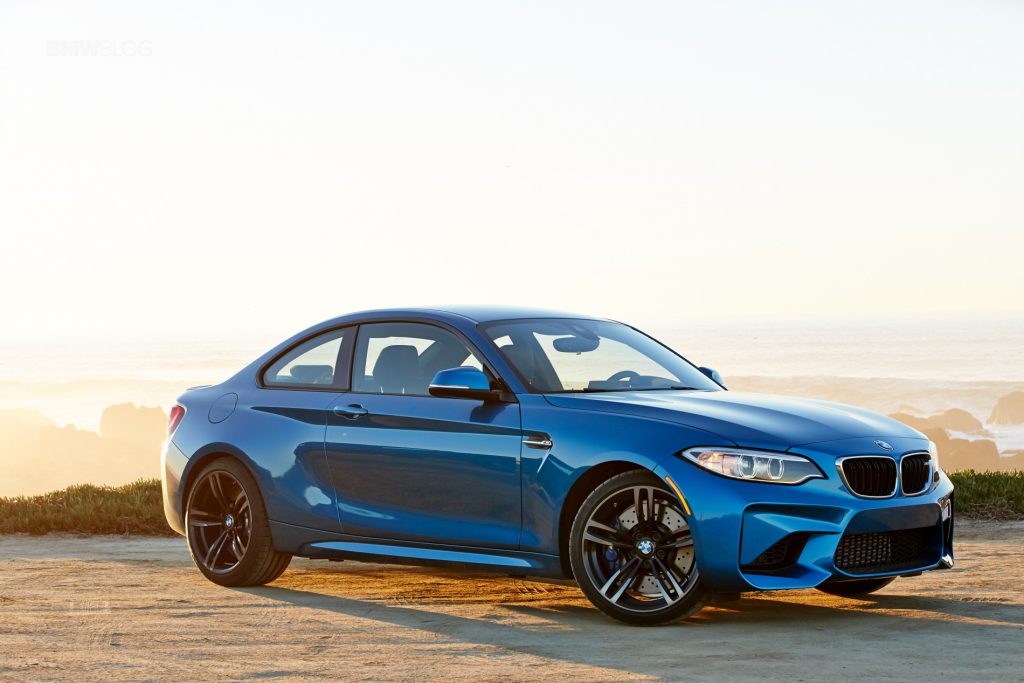
The automotive world is constantly buzzing with debates about performance cars, and one of the most intriguing matchups is between the BMW M2 Competition and the Toyota Supra. Both vehicles have carved out their own niches in the sports car market, boasting powerful engines and agile handling that promise thrilling experiences on the track.
In the highly anticipated showdown known as the BMW M2 Competition vs Toyota Supra Drag Race, enthusiasts eagerly await to see which of these performance titans will prevail. With their unique engineering and design philosophies, this drag race not only tests speed but also showcases the capabilities of two iconic brands in the realm of modern performance vehicles.
BMW M2 Competition: Performance Features That Matter in a Drag Race
The BMW M2 Competition is built for speed and agility, making it a formidable contender in any drag race. One of its standout performance features is the powerful 3.0-liter inline-six engine, which delivers an exhilarating 405 horsepower and 406 lb-ft of torque. This robust powertrain enables the M2 Competition to accelerate from 0 to 60 mph in just 4.0 seconds, offering a thrilling launch that is crucial in drag racing.
Another significant aspect of the BMW M2 Competition is its M Steptronic transmission, which provides lightning-fast gear shifts. This dual-clutch setup not only enhances acceleration but also ensures that power is effectively transmitted to the rear wheels. Combined with the vehicle’s adaptive M suspension, which optimizes handling and stability, the M2 Competition remains poised and planted during high-speed runs.
In addition to its impressive engine and transmission, the M2 Competition features an advanced M Dynamic Mode for better traction management. This system allows for controlled slip, which can help drivers harness the full potential of the car’s power during launches. Furthermore, its lightweight chassis contributes to a favorable power-to-weight ratio, enhancing overall performance on the drag strip.
For a clearer comparison, here’s a summary of key performance features that make the BMW M2 Competition excel in drag racing:
| Feature | Specification |
|---|---|
| Engine | 3.0L Inline-Six |
| Horsepower | 405 hp |
| Torque | 406 lb-ft |
| 0-60 mph | 4.0 seconds |
| Transmission | M Steptronic |
| Suspension | Adaptive M Suspension |
Toyota Supra: What Makes It a Strong Contender Against the M2 Competition
The Toyota Supra presents itself as a robust competitor against the BMW M2 Competition, primarily due to its impressive engineering and performance characteristics. Its 3.0-liter turbocharged inline-six engine generates 335 horsepower and 365 lb-ft of torque, allowing it to sprint from 0 to 60 mph in approximately 4.1 seconds. This capability positions the Supra as a fierce rival on the drag strip, especially when considering its lightweight design.
Another aspect that enhances the Supra’s competitiveness is its 8-speed automatic transmission, which ensures seamless gear changes and optimal power delivery. Coupled with a sophisticated rear-wheel-drive setup, the Supra maintains excellent traction during acceleration. This combination allows drivers to unleash the full potential of its robust engine without compromising stability.
One of the defining features of the Toyota Supra is its advanced adaptive suspension system, which provides exceptional handling and cornering abilities. This feature not only enhances performance during drag racing but also contributes to an engaging driving experience on various terrains. The Supra’s finely-tuned balance makes it a strong contender in head-to-head matchups against the M2 Competition.
For a quick overview, here are some key specifications that highlight the Toyota Supra’s strengths:
| Feature | Specification |
|---|---|
| Engine | 3.0L Turbocharged Inline-Six |
| Horsepower | 335 hp |
| Torque | 365 lb-ft |
| 0-60 mph | 4.1 seconds |
| Transmission | 8-speed Automatic |
| Suspension | Adaptive Suspension System |
Drag Race Showdown: Comparing Specs of BMW M2 Competition and Toyota Supra
The drag race showdown between the BMW M2 Competition and the Toyota Supra is a thrilling spectacle, showcasing the unique strengths of each vehicle. The M2 Competition, with its superior horsepower, boasts a slight edge in acceleration, while the Supra’s lightweight design contributes to its agile performance. The distinct engineering philosophies behind each car make this comparison particularly exciting for enthusiasts.
In terms of specifications, both cars feature impressive powertrains that are optimized for high-performance racing. Here’s a comparison of some key specs that define their capabilities on the drag strip:
| Feature | BMW M2 Competition | Toyota Supra |
|---|---|---|
| Engine | 3.0L Inline-Six | 3.0L Turbocharged Inline-Six |
| Horsepower | 405 hp | 335 hp |
| Torque | 406 lb-ft | 365 lb-ft |
| 0-60 mph | 4.0 seconds | 4.1 seconds |
| Transmission | M Steptronic | 8-speed Automatic |
When it comes to handling, the M Dynamic Mode in the BMW M2 Competition enhances traction and stability, giving it a strategic advantage during launch. On the other hand, the adaptive suspension system in the Toyota Supra allows for remarkable cornering performance, making it an exciting competitor in straight-line races as well as winding roads. This combination of features ensures both vehicles are formidable in their own right.
Ultimately, the drag race between the BMW M2 Competition and the Toyota Supra not only determines a winner but also highlights the advancements in automotive technology. With powerful engines and innovative handling systems, both cars represent the pinnacle of modern performance engineering.
Acceleration Tests: How the BMW M2 and Toyota Supra Perform on the Track
Acceleration tests reveal fascinating insights into how the BMW M2 Competition and Toyota Supra perform on the drag strip. With its powerful 3.0-liter inline-six engine, the M2 Competition rockets to 60 mph in just 4.0 seconds, showcasing its superior horsepower and torque. This swift acceleration highlights BMW’s engineering focus on performance, making it a fierce competitor in any race scenario.
In contrast, the Toyota Supra, with its 3.0-liter turbocharged inline-six engine, offers impressive acceleration, clocking 0 to 60 mph in approximately 4.1 seconds. While slightly slower than the M2, the Supra benefits from its lightweight design and efficient 8-speed automatic transmission, which allows for smooth power delivery. Such engineering choices ensure that the Supra remains competitive in head-to-head drag races.
Moreover, traction and handling play critical roles during acceleration tests. The M2 Competition’s M Dynamic Mode allows for optimized traction management, enabling drivers to harness its full power effectively. On the other hand, the Supra’s adaptive suspension system enhances stability, allowing for better performance during rapid acceleration. These elements contribute significantly to how each car reacts under racing conditions, making the drag race an enthralling spectacle.
Ultimately, both the BMW M2 Competition and Toyota Supra exhibit unique advantages in acceleration tests. Their differing approaches to performance engineering not only create a thrilling drag race but also highlight the progression of automotive technology in modern sports cars. Here’s a brief comparison of their acceleration capabilities:
- BMW M2 Competition: 0-60 mph in 4.0 seconds
- Toyota Supra: 0-60 mph in 4.1 seconds
Driver Experience: The Thrill of Racing BMW M2 vs Toyota Supra
The driver experience between the BMW M2 Competition and the Toyota Supra during a drag race is nothing short of exhilarating. The M2 Competition, with its aggressive stance and raw power, delivers an adrenaline rush that captivates drivers. The throaty roar of its engine, combined with precise steering and responsive handling, creates a dynamic driving experience that keeps adrenaline levels high throughout the race. This engaging feel is further enhanced by the car’s M Dynamic Mode, which provides an exhilarating connection between the driver and the road.
On the flip side, the Toyota Supra offers a different kind of thrill, embracing modern technology to ensure an impressive performance. The seamless shifts of its 8-speed automatic transmission and the engine’s turbocharged responsiveness create a feeling of smooth acceleration that many drivers find addictive. The Supra’s lightweight design contributes to a nimble handling experience, allowing drivers to maneuver with confidence and precision. This blend of technology and performance results in a uniquely thrilling experience, making each drag race a memorable event.
Moreover, the driving environments of both vehicles add to their allure. The BMW M2 Competition excels in providing a visceral experience, characterized by sharp feedback and a strong connection to the road. In contrast, the Toyota Supra excels in creating a sense of sophistication, with a focus on driver comfort while still delivering exceptional performance. This distinctive approach to driving dynamics means that both cars appeal to different preferences, yet both are equally thrilling in their own right.
Ultimately, whether behind the wheel of the BMW M2 Competition or the Toyota Supra, drivers are guaranteed a heart-pounding experience. Each car offers a unique interpretation of what it means to race, making it a challenge not just of speed, but also of personal preference in the realm of modern sports performance. The drag race is not just about the finish line; it’s about the exhilarating journey each driver embarks upon with their chosen machine.
Tuning Potential: Upgrading the BMW M2 Competition and Toyota Supra for Drag Racing
Tuning potential is a crucial aspect for enthusiasts looking to enhance the performance of the BMW M2 Competition and the Toyota Supra for drag racing. Both vehicles are already powerful, but with the right upgrades, their capabilities can be pushed even further. Popular tuning options include performance exhaust systems, ECU remapping, and upgraded intercoolers, which can significantly boost horsepower and torque, allowing for quicker acceleration and better overall performance on the drag strip.
When tuning the BMW M2 Competition, owners often focus on enhancing its turbocharged inline-six engine. Key modifications include:
- High-Performance Turbocharger: Increases airflow and power output.
- Upgraded Suspension Components: Improves handling and stability for better launches.
- Weight Reduction: Removing unnecessary components can enhance acceleration.
Similarly, the Toyota Supra offers a range of tuning possibilities tailored for drag racing. Notable upgrades include:
- Aftermarket Turbo Kits: Boost power potential significantly.
- ECU Tuners: Allow for precise adjustments to optimize performance characteristics.
- Performance Braking Systems: Essential for improved stopping power during high-speed runs.
Ultimately, both the BMW M2 Competition and the Toyota Supra have vast tuning potential that can transform them into even more formidable competitors on the drag strip. With the right modifications, enthusiasts can enjoy enhanced acceleration, better handling, and an overall thrilling driving experience that elevates these already impressive machines to new heights.
No te pierdas: BMW M2 Competition vs Toyota Supra vs Porsche 718 Cayman
 BMW M2 Competition vs. BMW M5 Competition – Una insólita comparativa
 El BMW M2 Competition sustituirá al M2 «normal» en junio de 2018
 BMW M2 Competition con accesorios M Performance, sistema de escape Akrapovic y piezas de AC Schnitzer
 BMW M2 Competition con piezas M Performance — Todo de carbono