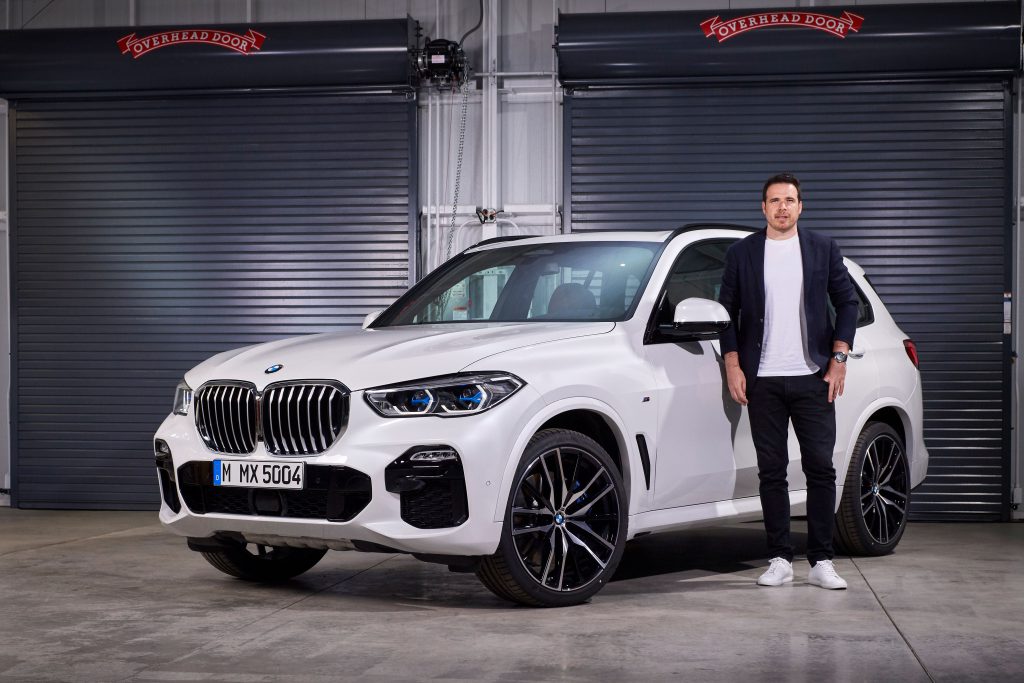
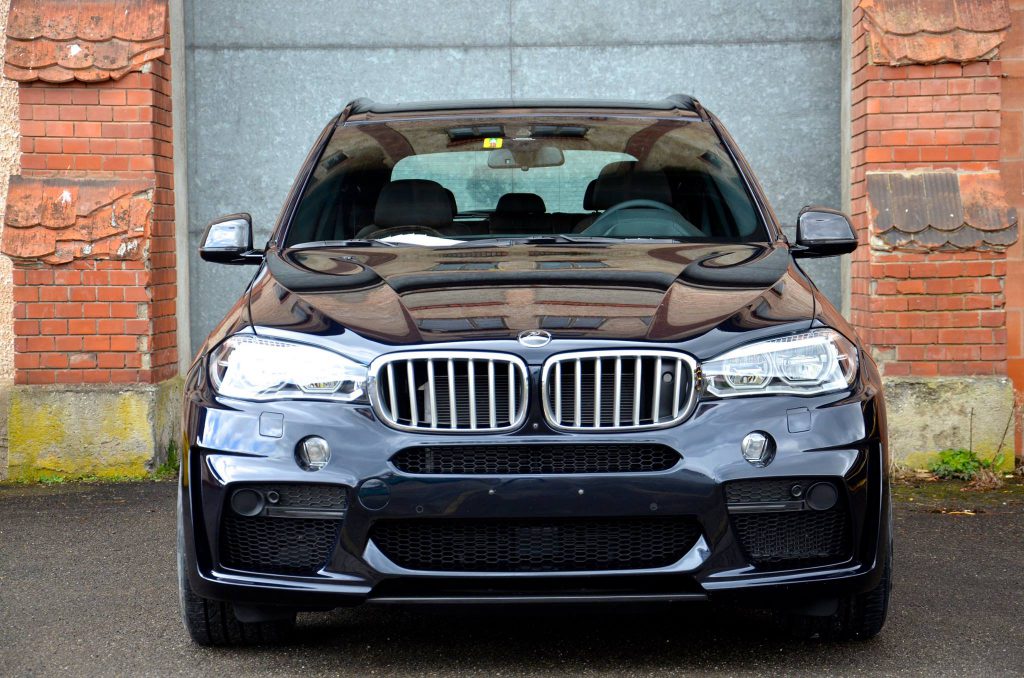
The luxury SUV segment has witnessed remarkable competition, especially between renowned brands like BMW and Porsche. In this article, we delve into a detailed comparison of two standout models: the 2015 BMW X5 xDrive35d and the 2015 Porsche Cayenne Diesel.
As we explore the features, performance, and overall value of these vehicles, we aim to highlight the key differences and similarities that define the **2015 BMW X5 xDrive35d vs. 2015 Porsche Cayenne Diesel** matchup. Both SUVs offer exceptional driving experiences, but which one truly stands out in this fierce rivalry?
2015 BMW X5 xDrive35d Performance vs. 2015 Porsche Cayenne Diesel Performance
The 2015 BMW X5 xDrive35d is powered by a robust 3.0-liter inline-six turbocharged diesel engine, delivering an impressive 255 horsepower and 413 lb-ft of torque. This powertrain allows the X5 to accelerate from 0 to 60 mph in just 6.9 seconds, showcasing its capability in both urban and off-road environments. Additionally, its intelligent all-wheel drive system enhances traction and stability, making it a formidable contender in various driving conditions.
On the other hand, the 2015 Porsche Cayenne Diesel features a 3.0-liter V6 turbocharged diesel engine, producing 240 horsepower and 406 lb-ft of torque. Although it offers slightly less power than the X5, the Cayenne Diesel compensates with a more agile handling characteristic, allowing for a sportier driving experience. The Cayenne can sprint from 0 to 60 mph in approximately 7.2 seconds, providing strong performance for a luxury SUV.
- BMW X5 xDrive35d: 0-60 mph in 6.9 seconds
- Porsche Cayenne Diesel: 0-60 mph in 7.2 seconds
- Torque: X5 – 413 lb-ft; Cayenne – 406 lb-ft
- Horsepower: X5 – 255 hp; Cayenne – 240 hp
Both vehicles excel in their respective performance metrics, but the choice may come down to personal preference. The X5 xDrive35d is ideal for those seeking a combination of power and comfort, while the Cayenne Diesel appeals to drivers who prioritize handling and a sportier feel. Ultimately, each SUV embodies the essence of its brand, ensuring that performance enthusiasts will find satisfaction in either option.
Comparing Fuel Efficiency: 2015 BMW X5 xDrive35d vs. Porsche Cayenne Diesel
When it comes to fuel efficiency, the 2015 BMW X5 xDrive35d and the 2015 Porsche Cayenne Diesel offer competitive options for those looking for luxury SUVs with diesel engines. The X5 xDrive35d is known for its impressive mileage, boasting an EPA rating of approximately 27 mpg on the highway and 22 mpg in the city. This efficiency ensures that drivers can enjoy an extended range without frequent refueling.
In comparison, the Cayenne Diesel manages to deliver fuel economy figures that are also commendable, with an estimated 29 mpg on the highway and 20 mpg in city driving. This slight edge in highway efficiency could appeal to those who frequently embark on long journeys. However, it’s essential to consider the overall driving experience each vehicle offers alongside these numbers.
- BMW X5 xDrive35d: 27 mpg highway / 22 mpg city
- Porsche Cayenne Diesel: 29 mpg highway / 20 mpg city
Ultimately, while the Porsche Cayenne Diesel has a marginal lead in highway fuel efficiency, the BMW X5 xDrive35d compensates with its robust torque and overall driving comfort. Choosing between these two will depend on whether fuel economy or a balanced driving experience is more critical to the buyer’s needs.
Interior Comfort and Technology in the 2015 BMW X5 and Porsche Cayenne
When it comes to interior comfort and technology, the 2015 BMW X5 xDrive35d is designed to provide a serene and luxurious environment. With high-quality materials and meticulous craftsmanship, the cabin exudes sophistication. The X5 is equipped with a range of tech features that enhance the driving experience, including:
- iDrive infotainment system with a large display
- Premium sound system options
- Navigation with real-time traffic updates
- Heated and ventilated seats
In contrast, the 2015 Porsche Cayenne Diesel leans toward a sportier feel while still offering a plush interior. Its cockpit is driver-focused, featuring high-end materials and attention to ergonomics. Notable technology in the Cayenne includes:
- Touchscreen interface with intuitive controls
- Advanced driver assistance systems
- High-quality audio system with surround sound
- Customizable ambient lighting
Both SUVs feature spacious interiors and ample legroom, but their design philosophies cater to different preferences. The BMW X5 emphasizes a plush, comfortable ride, ideal for long journeys and family use, while the Porsche Cayenne Diesel prioritizes a dynamic driving experience without compromising luxury.
| Feature | BMW X5 xDrive35d | Porsche Cayenne Diesel |
|---|---|---|
| Infotainment System | iDrive with large display | Touchscreen interface |
| Sound System | Premium options available | High-quality audio with surround sound |
| Seating Comfort | Heated and ventilated seats | Driver-focused, sports seating |
| Driver Assistance | Standard features | Advanced systems available |
Off-Road Capabilities of the 2015 BMW X5 xDrive35d and Porsche Cayenne Diesel
When it comes to off-road capabilities, both the 2015 BMW X5 xDrive35d and the 2015 Porsche Cayenne Diesel bring a unique set of features designed to handle rugged terrains. The X5 is equipped with the BMW xDrive all-wheel-drive system, which enhances traction on slippery surfaces and uneven ground. Additionally, its modest ground clearance and approach angles allow it to tackle light off-road conditions effectively.
In contrast, the Porsche Cayenne Diesel offers a sportier suspension setup that aids in handling performance on dirt trails and unpaved roads. Its advanced Porsche Traction Management system provides excellent grip and stability, making it a strong contender for off-road adventures. However, it is essential to note that the Cayenne is primarily engineered for performance, which may limit its off-road prowess compared to the X5.
Key features that enhance off-road capabilities include:
- BMW X5 xDrive35d: xDrive all-wheel drive, terrain management system, adjustable air suspension.
- Porsche Cayenne Diesel: Porsche Traction Management, off-road driving mode, adaptive air suspension.
Ultimately, while both SUVs can handle off-road scenarios, the BMW X5 xDrive35d leans more towards providing a balanced approach for light off-roading, making it suitable for family outings in nature. Meanwhile, the Porsche Cayenne Diesel excels in performance-oriented driving, which may attract those who prefer a sportier experience, even in more rugged environments.
Safety Features: 2015 BMW X5 vs. 2015 Porsche Cayenne Diesel
When it comes to safety features, both the 2015 BMW X5 xDrive35d and the 2015 Porsche Cayenne Diesel come equipped with a robust array of technologies designed to protect occupants. The X5 includes a range of standard safety features, such as advanced airbag systems, stability control, and optional driver assistance technologies, which provide added peace of mind on the road. Additionally, its high-strength body structure contributes to its overall crash safety performance.
On the other hand, the Porsche Cayenne Diesel emphasizes active safety technologies that enhance driver awareness and vehicle control. This SUV offers features like adaptive cruise control, lane departure warning, and a surround-view camera system. These advanced systems are designed not only to assist drivers but also to prevent potential accidents before they occur, making the Cayenne a strong contender in this category.
- BMW X5 xDrive35d Safety Features:
- Standard rearview camera
- Park distance control
- Optional lane departure warning
- Forward collision warning with automatic emergency braking
- Porsche Cayenne Diesel Safety Features:
- Adaptive cruise control
- Lane change assist
- Surround-view camera system
- Dynamic headlights for improved visibility
In terms of crash test ratings, both models have performed admirably in safety evaluations. The BMW X5 has received high marks for its structural integrity and crashworthiness, while the Porsche Cayenne Diesel boasts similar accolades. Ultimately, while both SUVs offer impressive safety features, the choice may hinge on individual preferences for active versus passive safety technologies.
Pricing and Value for Money: 2015 BMW X5 vs. Porsche Cayenne Diesel
When considering the pricing and value for money of the 2015 BMW X5 xDrive35d and the Porsche Cayenne Diesel, it is essential to examine not just the initial price but also the long-term costs associated with ownership. The BMW X5 xDrive35d typically has a starting price that is slightly lower than that of the Cayenne Diesel, making it an appealing option for luxury SUV buyers looking for a balance between quality and affordability.
In terms of resale value, both vehicles tend to retain their worth relatively well due to their brand prestige and performance capabilities. However, the Porsche Cayenne Diesel often commands a higher resale price, attributed to its performance and luxury features. Here’s a quick comparison of initial pricing and estimated resale values:
| Model | Starting Price | Estimated 5-Year Resale Value |
|---|---|---|
| BMW X5 xDrive35d | $62,000 | $35,000 |
| Porsche Cayenne Diesel | $64,000 | $40,000 |
Ultimately, buyers should consider not only the purchase price but also factors such as maintenance costs, insurance premiums, and fuel efficiency when evaluating value for money. The BMW X5 may offer more amenities at a lower cost, whereas the Porsche Cayenne Diesel provides a unique blend of luxury and performance that may justify its higher price point for enthusiasts. Evaluating these aspects will help potential owners make a more informed decision based on their individual needs and priorities.
No te pierdas: