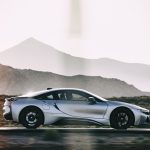
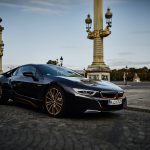
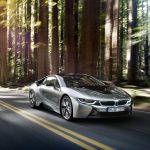
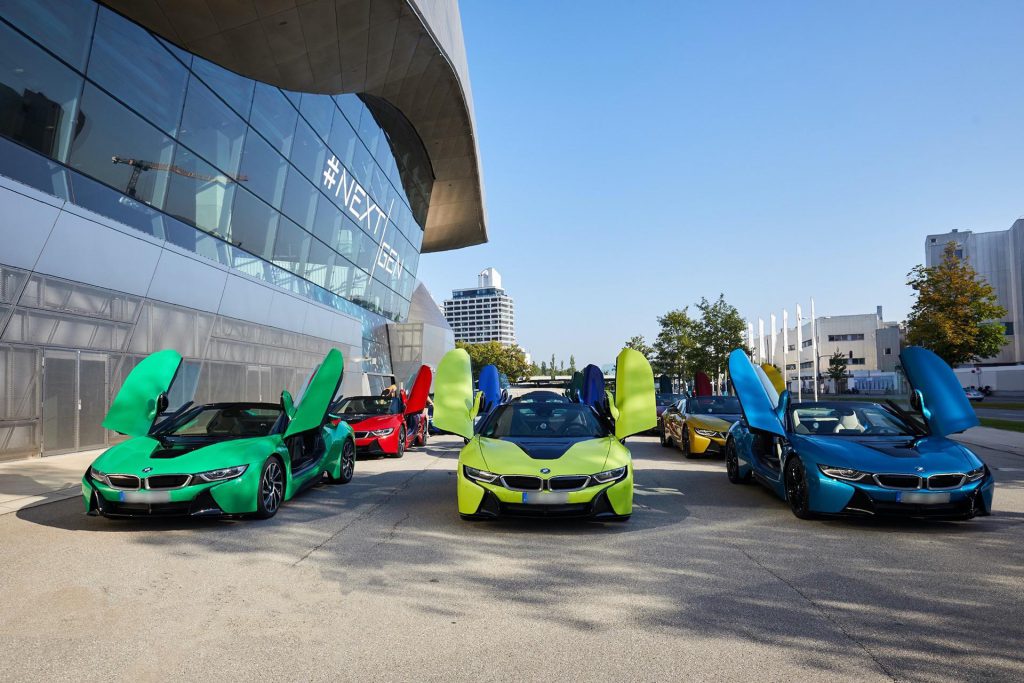
The battle between luxury and electric performance has taken a new form with the exciting matchup of two iconic vehicles: the BMW i8 and the Tesla Model S 75D. Both cars are renowned for their cutting-edge technology and stylish designs, but how do they fare in a head-to-head drag race? This showdown promises to reveal not just speed, but the unique characteristics that define each brand.
In this thrilling contest, we delve into the specifics of each contender, analyzing their acceleration, handling, and overall performance. The stakes are high as we compare the hybrid prowess of the BMW i8 with the all-electric power of the Tesla. Join us as we explore the dynamics of **BMW i8 vs. Tesla Model S 75D- Drag Race**, and discover which vehicle emerges victorious on the track.
BMW i8 vs. Tesla Model S 75D: A Comprehensive Comparison
The BMW i8 stands out with its unique plug-in hybrid design, combining a turbocharged gasoline engine with an electric motor. This innovative approach allows the i8 to deliver impressive performance while maintaining fuel efficiency. In contrast, the Tesla Model S 75D boasts a fully electric powertrain that provides instant torque and remarkable range, making it a favorite among electric vehicle enthusiasts. The juxtaposition of hybrid versus all-electric technologies raises intriguing questions about the future of automotive design.
When comparing the acceleration capabilities of these two vehicles, both have their merits. The BMW i8 can sprint from 0 to 60 mph in just 4.2 seconds, while the Tesla Model S 75D achieves this feat in a blistering 4.2 seconds as well, showcasing their competitive nature. However, the Tesla’s all-electric power gives it a continuous power advantage during prolonged acceleration, making it formidable on the drag strip.
- BMW i8: Hybrid technology, unique design, 0-60 mph in 4.2 seconds.
- Tesla Model S 75D: Fully electric, instant torque, 0-60 mph in 4.2 seconds.
In terms of handling and driving experience, the BMW i8 offers a more traditional sports car feel, thanks to its lightweight chassis and balanced weight distribution. Meanwhile, the Tesla Model S 75D provides a different experience with its low center of gravity and advanced traction control systems, allowing for exceptional grip in various driving conditions. Each vehicle caters to distinct preferences, whether one leans towards the sporty dynamics of the i8 or the cutting-edge technology and ease of use offered by Tesla.
Performance Metrics: Drag Race Showdown Between BMW i8 and Tesla Model S 75D
The drag race between the BMW i8 and the Tesla Model S 75D not only highlights their speed but also their respective performance metrics in a high-stakes environment. In terms of horsepower, the BMW i8 generates around 369 hp from its hybrid system, while the Tesla Model S 75D boasts an impressive 518 hp from its dual electric motors. This power disparity gives the Tesla a significant edge as it accelerates from a standstill.
Another crucial aspect of their performance is torque delivery. The BMW i8 produces 420 lb-ft of torque, which is respectable for a hybrid. However, the Model S 75D delivers a staggering 687 lb-ft of torque, providing it with an almost instantaneous acceleration advantage. This characteristic plays a vital role in drag racing, where quick starts can determine the outcome of the race.
| Performance Metrics | BMW i8 | Tesla Model S 75D |
|---|---|---|
| Horsepower | 369 hp | 518 hp |
| Torque | 420 lb-ft | 687 lb-ft |
| 0-60 mph | 4.2 seconds | 4.2 seconds |
In terms of weight, the BMW i8 is lighter, tipping the scales at approximately 3,455 lbs compared to the Tesla’s 4,883 lbs. This weight advantage contributes to the i8’s agility and handling dynamics. Ultimately, while both cars promise thrilling performance, the Tesla Model S 75D’s raw power and torque delivery may prove to be the deciding factor in a drag race showdown.
Electric Power vs. Hybrid Innovation: Key Differences in Acceleration
When it comes to acceleration, the distinct technologies of the BMW i8 and Tesla Model S 75D play a crucial role. The hybrid configuration of the i8 allows for a unique blend of electric and gasoline power, which can deliver dynamic performance in short bursts. However, the fully electric power of the Tesla ensures consistent acceleration without the lag often associated with traditional combustion engines, making it a standout in drag races.
The Tesla Model S 75D benefits from its instantaneous torque, which enables it to launch off the line with remarkable speed. In contrast, the i8’s dual power sources provide an intriguing dynamic, but the torque delivery is not as immediate. This fundamental difference highlights the advantages of electric power in modern performance vehicles. Key points to consider include:
- Instantaneous Torque: Tesla’s electric motors provide immediate acceleration.
- Hybrid Advantage: BMW i8 combines electric and gas for versatile performance.
- Acceleration Consistency: Tesla’s electric drivetrain maintains power without hesitation.
- Weight Distribution: The i8’s lighter frame enhances handling, but Tesla’s design optimizes grip.
In terms of overall driving experience, the BMW i8 offers a blend of performance and efficiency, appealing to those who appreciate hybrid innovation. On the other hand, the Tesla Model S 75D represents the pinnacle of electric performance, with a focus on power and speed. While both vehicles showcase exceptional engineering, the acceleration characteristics favor Tesla’s all-electric design, which is increasingly becoming the benchmark for performance.
Design and Aesthetics: BMW i8 and Tesla Model S 75D Exterior Analysis
The BMW i8 presents a striking aesthetic that embodies its futuristic hybrid identity. With its sleek lines, scissor doors, and bold front fascia, the i8 captures attention and exudes an air of sophistication. The use of lightweight materials, such as carbon fiber, not only enhances performance but also contributes to its unique visual appeal, merging style with advanced engineering. This design philosophy sets the i8 apart in the realm of luxury sports cars.
In contrast, the Tesla Model S 75D showcases a more understated yet equally captivating design. Its smooth, minimalist contours emphasize aerodynamics, allowing for optimal efficiency. The absence of a traditional grille underscores its electric nature, while the spacious interior offers a modern feel with high-tech features. Tesla’s commitment to sustainability is reflected in the Model S’s eco-friendly materials, enhancing its appeal to environmentally conscious consumers.
When analyzing the exterior dimensions, both vehicles exhibit different design philosophies:
- BMW i8: Length: 184.9 inches, Width: 76.7 inches, Height: 50.8 inches.
- Tesla Model S 75D: Length: 196 inches, Width: 77.3 inches, Height: 56.5 inches.
These differences contribute to their distinct road presence, with the i8 appearing more compact and agile, while the Model S projects an aura of robust performance and spaciousness.
Ultimately, the design and aesthetics of the BMW i8 and Tesla Model S 75D reflect their respective identities. The i8 embodies a fusion of sportiness and innovation, appealing to enthusiasts who appreciate hybrid technology, while the Model S prioritizes sleek modernity and electric efficiency, catering to a growing segment of eco-conscious luxury car buyers. Each vehicle offers a unique visual narrative that complements its underlying performance characteristics.
Cost of Ownership: Is the BMW i8 or Tesla Model S 75D More Affordable?
When evaluating the cost of ownership between the BMW i8 and the Tesla Model S 75D, several factors come into play. The BMW i8, with its complex hybrid system, generally incurs higher maintenance costs over time due to its gasoline engine and hybrid components. In contrast, the Tesla Model S 75D benefits from lower maintenance expenses, as electric vehicles typically require less frequent servicing and have fewer moving parts.
Insurance premiums also vary significantly between these two vehicles. The BMW i8, being a luxury sports car, often commands higher insurance rates due to its performance capabilities and repair costs. On the other hand, the Tesla Model S 75D, while still a premium vehicle, might have more favorable insurance rates due to its lower overall risk profile and growing popularity among consumers.
Fuel costs present another significant difference in ownership expenses. The BMW i8, while efficient for a hybrid, relies on gasoline, which can fluctuate in price. Conversely, the Tesla Model S 75D operates on electricity, and its costs can be significantly lower on a per-mile basis, especially with the availability of home charging options and solar power integration. The potential for tax incentives and rebates for electric vehicles further enhances Tesla’s affordability.
To summarize, here’s a quick comparison of ownership costs:
- BMW i8: Higher maintenance and insurance costs, gasoline dependency.
- Tesla Model S 75D: Lower maintenance, potentially lower insurance, electric power benefits.
In conclusion, while both vehicles appeal to luxury car enthusiasts, the Tesla Model S 75D tends to be more affordable in terms of overall cost of ownership, largely due to its lower maintenance costs and the efficiencies of electric driving.
User Experience: Interior Comfort and Technology Features in Both Cars
The user experience in both the BMW i8 and the Tesla Model S 75D significantly enhances each car’s appeal. Inside the i8, drivers are greeted by a luxurious cabin featuring premium materials and futuristic design elements. The cockpit is driver-focused, equipped with a digital instrument cluster and a high-resolution display that integrates various vehicle functions and entertainment options. Comfort is paramount, with heated seats and customizable ambient lighting, creating an inviting atmosphere for both driver and passengers.
In contrast, the Tesla Model S 75D prioritizes spaciousness and advanced technology. Its minimalist interior houses a massive touchscreen that controls nearly all vehicle functions, reducing clutter and providing an intuitive user experience. Features such as over-the-air updates, a premium sound system, and customizable driver profiles elevate the driving experience. Moreover, the cabin’s quiet ambiance, thanks to the absence of a traditional engine, enhances comfort on long journeys.
- BMW i8:
- Luxurious materials with a driver-centric design.
- Digital instrument cluster for enhanced readability.
- Customizable ambient lighting for a personalized feel.
- Tesla Model S 75D:
- Large touchscreen interface for seamless control.
- Spacious cabin with minimalistic design.
- Over-the-air updates and customizable profiles enhance user interaction.
Both vehicles offer unique technological features that cater to different user preferences. The BMW i8 showcases a blend of traditional luxury with innovative hybrid elements, while the Tesla Model S 75D stands out as a technological powerhouse with its electric capabilities. This differentiation not only affects comfort but also influences the overall driving experience, making each vehicle appealing to distinct segments of the automotive market.
No te pierdas: