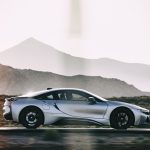
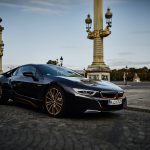
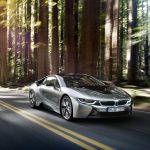
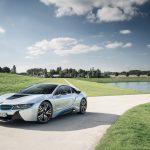
The automotive landscape has been revolutionized by the emergence of electric and hybrid vehicles, with the BMW i8 and Tesla Model S leading the charge. Both models showcase cutting-edge technology and innovative design, appealing to eco-conscious consumers and performance enthusiasts alike.
In the debate of **BMW i8 vs. Tesla Model S**, enthusiasts often find themselves torn between the stylish plug-in hybrid performance of the i8 and the all-electric supremacy of the Model S. Each vehicle represents a unique approach to sustainability and luxury, setting the stage for an exciting comparison in the world of modern automobiles.
BMW i8 vs. Tesla Model S: A Comprehensive Comparison of Performance
When comparing the performance of the **BMW i8** and **Tesla Model S**, it’s essential to consider their respective acceleration capabilities. The BMW i8 boasts a combined output of 369 horsepower from its hybrid powertrain, allowing it to accelerate from 0 to 60 mph in just 4.2 seconds. In contrast, the Tesla Model S offers impressive performance with its dual-motor setup, delivering up to 1,020 horsepower in the Plaid variant, which can achieve the same sprint in a mere 1.99 seconds, showcasing its **electric superiority**.
Another significant aspect is the driving range. The BMW i8 provides an electric-only range of about 15 miles, supplemented by its gasoline engine for longer trips. However, the Tesla Model S shines with an EPA-estimated range of up to 405 miles on a single charge, making it a more viable option for long-distance travel. This makes the Model S not only a performance powerhouse but also a leader in **sustainability** and practicality.
Handling and driving dynamics also play a crucial role in this comparison. The BMW i8 features a lightweight, carbon-fiber-reinforced plastic structure that enhances agility and cornering performance, catering to driving enthusiasts. On the other hand, the Tesla Model S delivers a lower center of gravity due to its battery placement, resulting in exceptional stability and traction, especially during acceleration. Both vehicles offer unique driving experiences that cater to different preferences.
| Feature | BMW i8 | Tesla Model S |
|---|---|---|
| Power Output | 369 hp | Up to 1,020 hp (Plaid) |
| 0-60 mph | 4.2 seconds | 1.99 seconds (Plaid) |
| Electric Range | 15 miles | Up to 405 miles |
| Drive Type | Plug-in Hybrid | All-Electric |
Electric Vehicle Technology: BMW i8 vs. Tesla Model S Explained
The evolution of electric vehicle technology is exemplified by the contrasting approaches of the BMW i8 and Tesla Model S. While the i8 integrates a hybrid system that combines a gasoline engine with an electric motor, the Model S operates solely on electric power. This fundamental difference shapes their performance characteristics, sustainability goals, and consumer appeal.
When it comes to charging technology, the Tesla Model S stands out with its extensive Supercharger network, allowing for rapid charging times that are essential for long-distance travel. In comparison, the BMW i8, despite its hybrid benefits, relies on traditional charging methods, which can limit convenience for users who prefer electric driving. This difference highlights the importance of infrastructure in the adoption of electric vehicles.
In terms of software and connectivity, the Tesla Model S excels with its advanced infotainment system and regular over-the-air updates, enhancing the vehicle’s capabilities even after purchase. The BMW i8, while featuring a sophisticated interior, lacks the same level of software integration and updates, which can affect the overall user experience. This aspect emphasizes the growing significance of software technology in modern electric vehicles.
Ultimately, the technological disparities between these two models reflect broader trends in the automotive industry. As consumers prioritize sustainability and innovation, the choice between the BMW i8 and Tesla Model S will depend on personal preferences regarding performance, range, and the overall ownership experience.
Design and Aesthetics: How the BMW i8 and Tesla Model S Compare
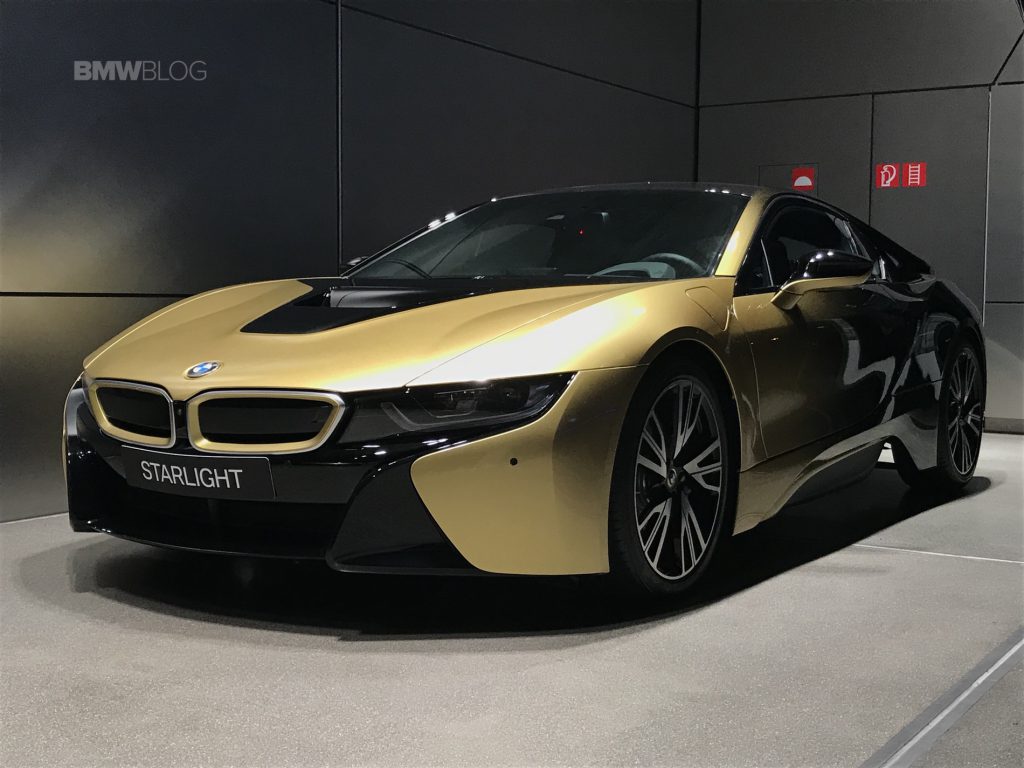
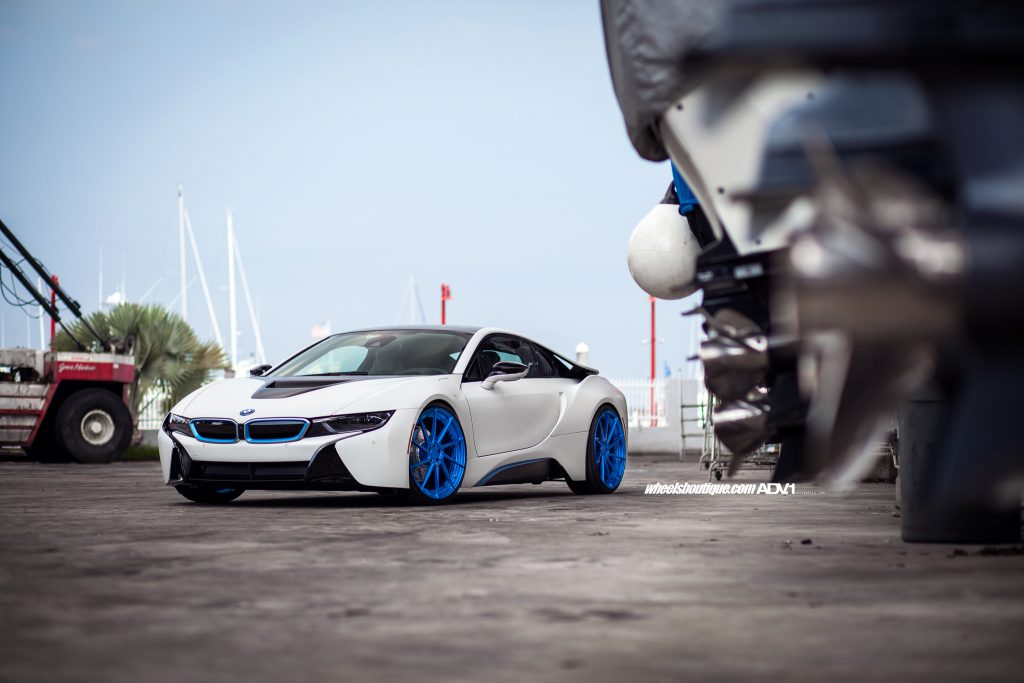
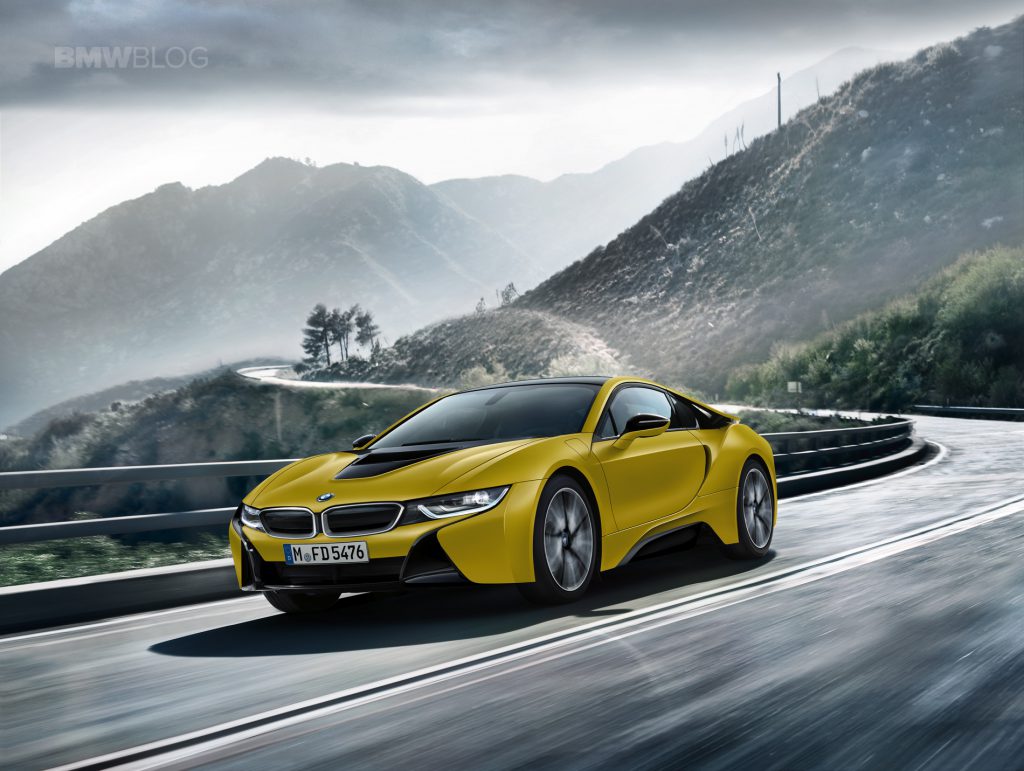
When it comes to design and aesthetics, the BMW i8 and Tesla Model S present two contrasting visions of modern automotive styling. The i8 boasts a futuristic and aggressive look with its sleek lines and unique butterfly doors, emphasizing its hybrid sports car identity. Conversely, the Model S features a more understated elegance, characterized by smooth curves and a minimalist design that reflects Tesla’s focus on sustainability and modernity.
In terms of interior design, both vehicles prioritize driver experience but take different approaches:
- BMW i8: Offers a luxurious cabin with high-quality materials and a driver-centric layout.
- Tesla Model S: Features a large touchscreen interface that controls most functions, creating a clean and tech-forward aesthetic.
Color options and customization also highlight the unique character of each model. The BMW i8 provides vibrant hues that accentuate its sporty nature, while the Tesla Model S offers a range of sophisticated colors that appeal to a more classic taste. Ultimately, the choice between these two vehicles comes down to personal preference in design philosophy and aesthetic values.
| Aspect | BMW i8 | Tesla Model S |
|---|---|---|
| Exterior Style | Futuristic and aggressive with butterfly doors | Sleek and minimalist |
| Interior Design | Luxurious with a driver-centric layout | Modern with a large touchscreen interface |
| Color Options | Vibrant hues for a sporty look | Sophisticated colors for elegance |
| Overall Aesthetic | Sporty hybrid identity | Elegant all-electric design |
Cost of Ownership: BMW i8 vs. Tesla Model S Long-Term Expenses
When considering the cost of ownership for the BMW i8 and Tesla Model S, several factors come into play, including maintenance, insurance, and depreciation. The BMW i8, being a hybrid sports car, generally incurs higher maintenance costs due to its complex drivetrain and the need for specialized service. In contrast, the Tesla Model S, with its all-electric powertrain, benefits from lower maintenance costs, as it has fewer moving parts and doesn’t require oil changes.
Insurance rates can also differ significantly between these models. The BMW i8, with its higher performance and luxury status, often commands higher premiums. Meanwhile, the Tesla Model S, while still considered a premium vehicle, may have more competitive insurance rates due to the lower likelihood of engine-related repairs and its strong safety ratings. Consumers should consider these factors when evaluating long-term expenses.
Another crucial aspect is depreciation. The BMW i8 tends to depreciate at a faster rate compared to the Tesla Model S, partly due to its status as a niche vehicle and the rapid advancements in hybrid technology. In contrast, Tesla vehicles often retain their value better, thanks to their strong brand loyalty and continuous software updates that enhance functionality over time. These differences can significantly affect the overall financial impact of owning each vehicle.
To summarize the long-term expenses associated with both vehicles, here are some key considerations:
- Maintenance Costs: BMW i8 (higher) vs. Tesla Model S (lower)
- Insurance Rates: BMW i8 (higher premiums) vs. Tesla Model S (more competitive)
- Depreciation: BMW i8 (faster depreciation) vs. Tesla Model S (better value retention)
Sustainability and Eco-Friendliness: Evaluating BMW i8 and Tesla Model S
When evaluating the **sustainability** and eco-friendliness of the BMW i8 and Tesla Model S, it’s essential to understand their underlying technologies. The BMW i8 employs a plug-in hybrid system, which allows for a limited electric-only range before switching to its gasoline engine. This setup offers some flexibility but does not fully embrace the concept of zero-emissions driving. In contrast, the Tesla Model S is an all-electric vehicle, providing a more sustainable option with zero tailpipe emissions, aligning closely with the goals of eco-conscious consumers.
In terms of materials and production, Tesla has made significant strides in sustainability by utilizing less harmful manufacturing processes and sourcing materials responsibly. The company emphasizes recycling and reusing components, which reduces its environmental footprint. Conversely, while the BMW i8 incorporates lightweight materials such as carbon fiber, the hybrid nature of its powertrain can still contribute to a larger carbon footprint compared to Tesla’s all-electric manufacturing methods, making it less favorable from an eco-friendly perspective.
Charging infrastructure also plays a crucial role in the sustainability debate. The Tesla Model S benefits from an extensive network of Superchargers, enabling fast charging and promoting the convenience of long-distance travel without relying on fossil fuels. The BMW i8, while compatible with electric charging stations, does not have the same level of infrastructure support, making it less practical for consumers focused on a holistic eco-friendly experience. This difference highlights the importance of charging accessibility in the adoption of electric vehicles.
Ultimately, when assessing **sustainability** and eco-friendliness, the Tesla Model S emerges as the more viable option for environmentally conscious drivers. Its all-electric operation, commitment to sustainable manufacturing, and robust charging infrastructure offer a comprehensive approach to reducing the ecological impact of personal transportation. Meanwhile, the BMW i8, with its hybrid system, presents a transitional option but falls short of the extensive benefits associated with fully electric vehicles.
Which is the Best Electric Car: BMW i8 or Tesla Model S?
When it comes to deciding which is the best electric car between the **BMW i8** and the **Tesla Model S**, several key factors need to be evaluated. The i8, while a stunning hybrid, primarily showcases its performance and design, appealing to sports car enthusiasts. In contrast, the Model S excels in areas such as range, technology, and overall eco-friendliness, which could sway buyers looking for practical electric solutions.
Performance is a significant aspect in this comparison. The **Tesla Model S** outshines with its exceptional acceleration and all-electric range, making it a powerhouse for those seeking thrilling driving experiences. Conversely, the **BMW i8** offers a unique blend of electric and gasoline power, but its limited electric-only range may not meet the demands of the most ardent electric vehicle advocates. Here’s a quick recap of their performance features:
- Acceleration: Tesla Model S (1.99 seconds) vs. BMW i8 (4.2 seconds)
- Driving Range: Tesla Model S (up to 405 miles) vs. BMW i8 (15 miles electric-only)
Another crucial comparison lies in the technological advancements each vehicle offers. Tesla’s robust software ecosystem and over-the-air updates keep the Model S at the forefront of innovation, enhancing user experience continually. On the other hand, the BMW i8, while featuring advanced systems, lacks the same level of software integration and upgradability. This technological gap may influence buyers who prioritize cutting-edge features and connectivity.
In conclusion, the choice between the **BMW i8** and **Tesla Model S** ultimately hinges on individual preferences. For those valuing a stylish hybrid sports car with unique aesthetics, the i8 presents an attractive option. However, for eco-conscious consumers seeking a high-performance electric vehicle with superior range and technology, the Model S is likely the more fitting choice. Each vehicle offers distinct advantages that cater to different segments of the automotive market.
No te pierdas: