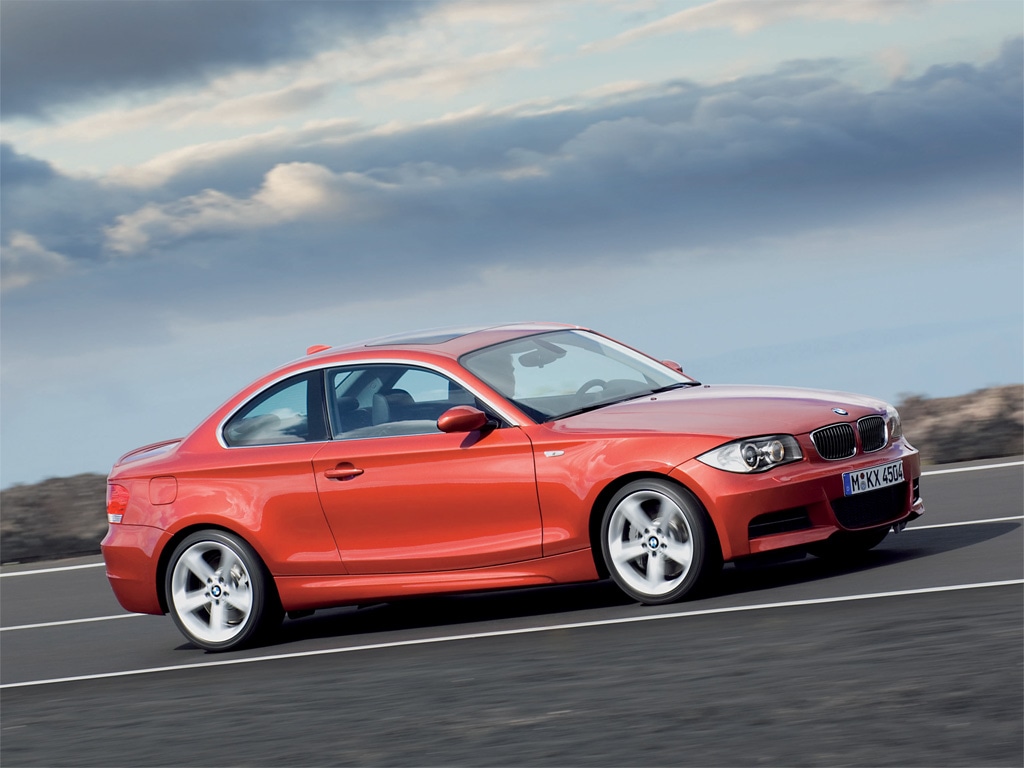
The automotive landscape has evolved dramatically over the decades, showcasing a blend of performance, design, and technology. Two remarkable vehicles that represent different eras of sports cars are the 1971 DeTomasso Pantera and the 2008 BMW 135i. While the former is known for its bold Italian styling and raw power, the latter embodies modern engineering and efficiency.
In the comparison of **1971 DeTomasso Pantera vs. 2008 BMW 135i**, enthusiasts find a fascinating juxtaposition of classic performance and contemporary innovation. Each car offers a unique driving experience, reflecting the automotive philosophies of their respective times while captivating car lovers around the world.
1971 DeTomasso Pantera: An Icon of Italian Muscle Car Design
The 1971 DeTomasso Pantera stands as a remarkable symbol of Italian muscle car design, merging aggressive aesthetics with formidable performance. Produced in collaboration between De Tomaso and Ford, this vehicle was introduced at a time when American muscle was at its peak, yet it brought a distinct European flair to the table. Its mid-engine layout not only contributed to its striking looks but also enhanced handling, setting it apart from many contemporary competitors.
Equipped with a powerful 351 cubic inch V8 engine, the Pantera was capable of delivering exhilarating acceleration and impressive top speeds. This engine choice was pivotal, as it provided the raw power that enthusiasts craved. Some key specifications include:
- Horsepower: Approximately 350 hp
- 0-60 mph: Around 5.5 seconds
- Top Speed: 150 mph
The design of the Pantera is equally noteworthy, featuring a bold and aggressive stance that captures the essence of 1970s automotive culture. Its sharp lines and aerodynamic silhouette not only contribute to its beauty but also optimize performance at higher speeds. The interior, though simple, reflects a driver-focused philosophy, prioritizing functionality without sacrificing style.
In summary, the 1971 DeTomasso Pantera is a testament to the era’s ambition to blend form and function. Its combination of Italian artistry and American muscle engineering has solidified its legacy as an icon, making it a highly sought-after classic among collectors and car enthusiasts alike. The Pantera’s impact on automotive design is undeniable, continuing to inspire new generations of sports cars.
Comparing Performance: 1971 DeTomasso Pantera vs. 2008 BMW 135i
When comparing the performance of the 1971 DeTomasso Pantera and the 2008 BMW 135i, it’s essential to recognize their distinctive approaches to power and driving dynamics. The Pantera’s mid-engine layout offers exceptional handling characteristics, making it a formidable contender on winding roads, while the BMW 135i leverages advanced engineering and turbocharged efficiency for a different kind of thrill.
The 135i features a 3.0-liter inline-six engine with twin-scroll turbocharging, delivering impressive performance figures. Key specifications include:
- Horsepower: Approximately 300 hp
- 0-60 mph: Around 5.1 seconds
- Top Speed: Limited to 155 mph
While the Pantera emphasizes raw, visceral power, the BMW 135i showcases a balance of performance and everyday usability. With its modern suspension system and responsive steering, the 135i provides a comfortable ride without compromising on agility. This makes it an excellent choice for both spirited driving and daily commuting.
In conclusion, the comparison between the 1971 DeTomasso Pantera and the 2008 BMW 135i highlights the evolution of automotive performance. Each car serves as a representation of its time, appealing to different preferences within the sports car community. Whether one favors the classic thrill of the Pantera or the refined efficiency of the 135i, both vehicles offer an exhilarating driving experience that continues to captivate enthusiasts.
Engine Specifications and Power Output: A Detailed Look
The 1971 DeTomasso Pantera features a robust 351 cubic inch (5.8 L) V8 engine that produces a striking 350 horsepower. This powertrain is a hallmark of American muscle, providing an exhilarating experience on the road. The mid-engine layout not only enhances its speed capabilities but also delivers exceptional balance during cornering, making it a classic among enthusiasts.
In contrast, the 2008 BMW 135i is equipped with a 3.0-liter inline-six engine featuring twin-scroll turbocharging. This modern engineering marvel generates around 300 horsepower, showcasing the shift toward more efficient performance. The turbocharged design not only boosts power but also maximizes torque at lower RPMs, providing a seamless driving experience.
Here’s a comparative summary of the engine specifications and power outputs:
| Model | Engine | Horsepower | 0-60 mph | Top Speed |
|---|---|---|---|---|
| 1971 DeTomasso Pantera | 351 V8 | 350 hp | 5.5 seconds | 150 mph |
| 2008 BMW 135i | 3.0L Inline-6 Turbo | 300 hp | 5.1 seconds | 155 mph (limited) |
Both vehicles highlight distinct philosophies in automotive design. The bold power of the Pantera contrasts with the sophisticated efficiency of the BMW 135i, demonstrating how advancements in technology have transformed performance metrics while maintaining the excitement of driving. Each car contributes to its legacy, offering unique thrills that continue to attract car enthusiasts.
Driving Experience: The Road Feel of the Pantera vs. the 135i
When it comes to the driving experience, the 1971 DeTomasso Pantera offers a raw and unfiltered engagement that harkens back to the golden age of muscle cars. Its mid-engine layout provides a distinctive road feel, allowing drivers to sense every nuance of the pavement beneath them. The combination of a powerful V8 engine and a relatively light chassis creates an exhilarating sensation, making cornering an adrenaline-pumping affair. This visceral connection to the road is what many enthusiasts crave in a classic sports car.
In contrast, the 2008 BMW 135i delivers a more refined yet equally thrilling experience. The turbocharged inline-six engine offers smooth acceleration and impressive torque, allowing for seamless power delivery. Drivers benefit from modern suspension technology and precise steering that enhance stability and control, especially during everyday driving. While the Pantera excites with its raw energy, the 135i provides a balance that is perfect for both spirited driving and daily commutes, showcasing the evolution of automotive design and engineering.
The road feel in the Pantera is characterized by its direct and immediate feedback, allowing the driver to become one with the machine. Here are some standout features contributing to its unique experience:
- Mid-engine configuration: Enhances weight distribution and handling.
- Raw power: The V8 engine delivers an authentic muscle car roar.
- Minimal electronic intervention: Encourages driver skill and engagement.
On the other hand, the BMW 135i embodies a sophisticated approach to driving dynamics. Key characteristics include:
- Adaptive suspension: Adjusts to road conditions for improved comfort.
- Turbocharged efficiency: Maximizes performance without sacrificing fuel economy.
- Advanced technology: Features like DSC (Dynamic Stability Control) enhance safety without detracting from the driving enjoyment.
Ultimately, both the 1971 DeTomasso Pantera and the 2008 BMW 135i present compelling driving experiences that speak to their respective eras. Whether one prefers the unadulterated thrill of the Pantera or the sophisticated agility of the 135i, each vehicle offers a distinctive perspective on what it means to engage with the road.
Heritage and Legacy: The Impact of the Pantera on Modern Sports Cars
The 1971 DeTomasso Pantera holds a significant place in automotive history, acting as a bridge between American muscle and European sports car finesse. Its bold design and potent performance have influenced modern sports cars, inspiring car manufacturers to blend raw power with sophisticated styling. The Pantera’s unique character paved the way for future models that prioritize both aesthetics and engineering prowess, leaving an indelible mark on the sports car segment.
One of the most notable impacts of the Pantera is its mid-engine layout, which has become a hallmark for many contemporary sports cars. This design choice enhances handling dynamics and weight distribution, allowing for nimble cornering and improved stability. As a result, modern vehicles have adopted similar configurations, demonstrating how the Pantera’s engineering principles remain relevant in today’s automotive landscape.
Moreover, the Pantera’s blend of Italian styling and American power set a precedent for subsequent sports cars that aim to capture the hearts of enthusiasts. Its ability to evoke a sense of excitement and nostalgia has inspired manufacturers to create vehicles that resonate emotionally with drivers. The legacy of the Pantera is evident in various modern models that draw upon its design ethos, ensuring that its spirit lives on in contemporary automotive culture.
In summary, the DeTomasso Pantera is more than just a classic sports car; it embodies a legacy of innovation and design that continues to shape the future of high-performance vehicles. By merging power, style, and engineering excellence, the Pantera has left an enduring impact that reverberates through the generations of sports cars that followed.
Which is Better for Daily Driving: The 1971 DeTomasso Pantera or 2008 BMW 135i?
When considering which vehicle is better for daily driving, the 1971 DeTomasso Pantera and the 2008 BMW 135i offer starkly different experiences. The Pantera, with its powerful V8 engine and distinctive mid-engine layout, excels in delivering a thrilling ride on winding roads. However, its classic design may present challenges in terms of comfort and modern features that everyday drivers expect.
In contrast, the BMW 135i is tailored for daily usability, featuring a more refined approach with its 3.0-liter inline-six turbocharged engine. It boasts a comfortable interior, advanced technology, and a smooth automatic transmission, making it an excellent choice for those who prioritize convenience in their daily commutes. Key benefits of the BMW 135i include:
- Fuel Efficiency: Offers better mileage compared to classic muscle cars.
- Safety Features: Equipped with modern safety technology that enhances peace of mind.
- Comfort: Provides a more comfortable driving environment suitable for longer trips.
Ultimately, the choice between these iconic vehicles comes down to personal preference. For drivers seeking nostalgia and a raw driving experience, the DeTomasso Pantera is hard to beat. However, for those looking for a well-rounded vehicle that blends performance with practicality, the BMW 135i stands as the superior option for day-to-day driving. Each car has its own appeal, showcasing the evolution of automotive engineering and the diverse needs of drivers today.
No te pierdas: