The sports car segment has always been a battleground for performance enthusiasts, and two notable contenders are the BMW Z4 M40i and the Toyota Supra. Each of these vehicles brings a unique blend of power, engineering, and driving dynamics that appeals to different tastes and preferences.
In this comparison of the BMW Z4 M40i vs Toyota Supra, we will explore their specifications, design elements, and driving experiences to determine which car truly reigns supreme in the world of modern sports coupes. With roots in shared engineering, these two models offer distinct personalities and exhilarating performance on the road.
BMW Z4 M40i Performance vs Toyota Supra Performance: A Comprehensive Comparison
When comparing performance, the BMW Z4 M40i and Toyota Supra emerge as formidable rivals, each showcasing a thrilling driving experience. The Z4 M40i, equipped with a turbocharged 3.0-liter inline-six engine, delivers a robust 382 horsepower, allowing it to sprint from 0 to 60 mph in just 4.4 seconds. Meanwhile, the Toyota Supra, powered by a similar engine configuration, boasts 335 horsepower, achieving a 0-60 mph time of approximately 4.1 seconds. This edge in acceleration places the Supra in a favorable light when examining bmw z4 vs toyota supra performance metrics.
In terms of handling, both cars offer unique characteristics that cater to distinct driving styles. The Z4 M40i features a rear-wheel-drive layout paired with a sophisticated suspension setup, providing excellent stability and grip, especially during high-speed cornering. On the other hand, the Toyota Supra embraces a sportier feel, with its low center of gravity and adaptive suspension that enhances agility. Drivers may prefer the Z4 vs Supra comparison based on their individual preferences for ride comfort versus sporty dynamics.
To further illustrate their performance capabilities, here’s a quick comparison of key specifications:
| Specifications | BMW Z4 M40i | Toyota Supra |
|---|---|---|
| Engine | 3.0L Turbo I6 | 3.0L Turbo I6 |
| Horsepower | 382 hp | 335 hp |
| 0-60 mph | 4.4 seconds | 4.1 seconds |
| Drivetrain | Rear-Wheel Drive | Rear-Wheel Drive |
Ultimately, whether you lean towards the BMW Z4 M40i vs Toyota Supra debate may come down to personal preference. The Z4 M40i delivers a more refined driving experience, while the Supra offers a raw, exhilarating thrill that appeals to purists. Both cars represent the pinnacle of modern engineering, ensuring that enthusiasts will find joy in either choice, whether it’s the z4 vs supra or the supra vs z4 discussion that captures their attention.
Design and Aesthetics: BMW Z4 M40i vs Toyota Supra
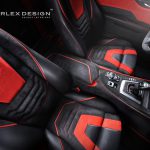
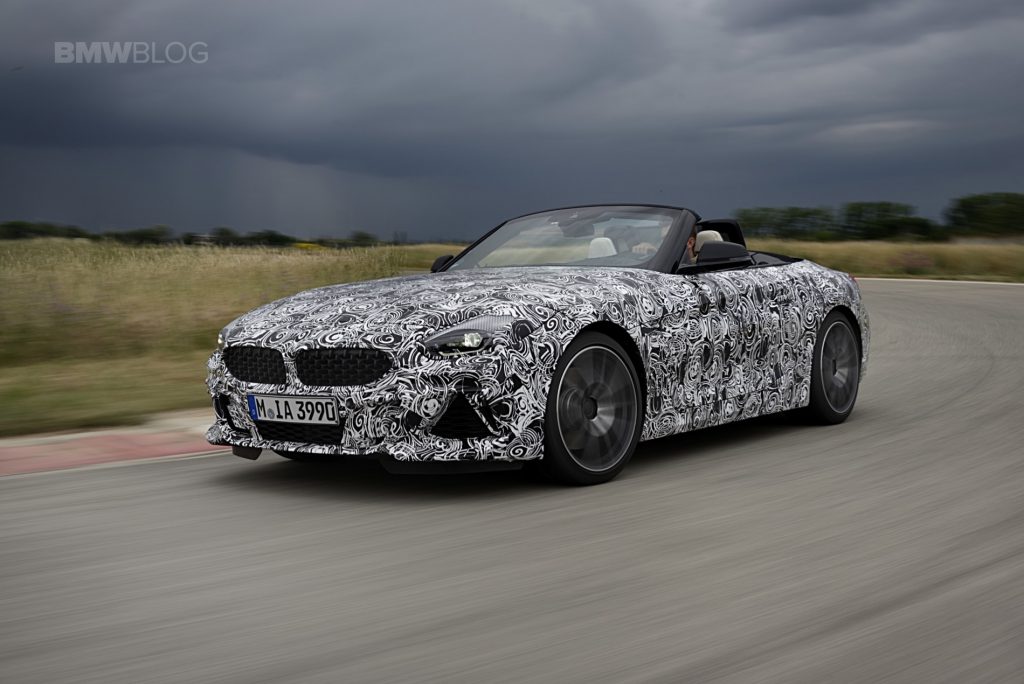
When it comes to design and aesthetics, the BMW Z4 M40i and Toyota Supra present two contrasting philosophies that cater to diverse tastes. The Z4 M40i embodies a classic roadster silhouette with elegant curves and a bold front grille, creating an impression of sophistication and sportiness. Its sleek lines and well-defined proportions make it a standout on the road, appealing to those who appreciate timeless design.
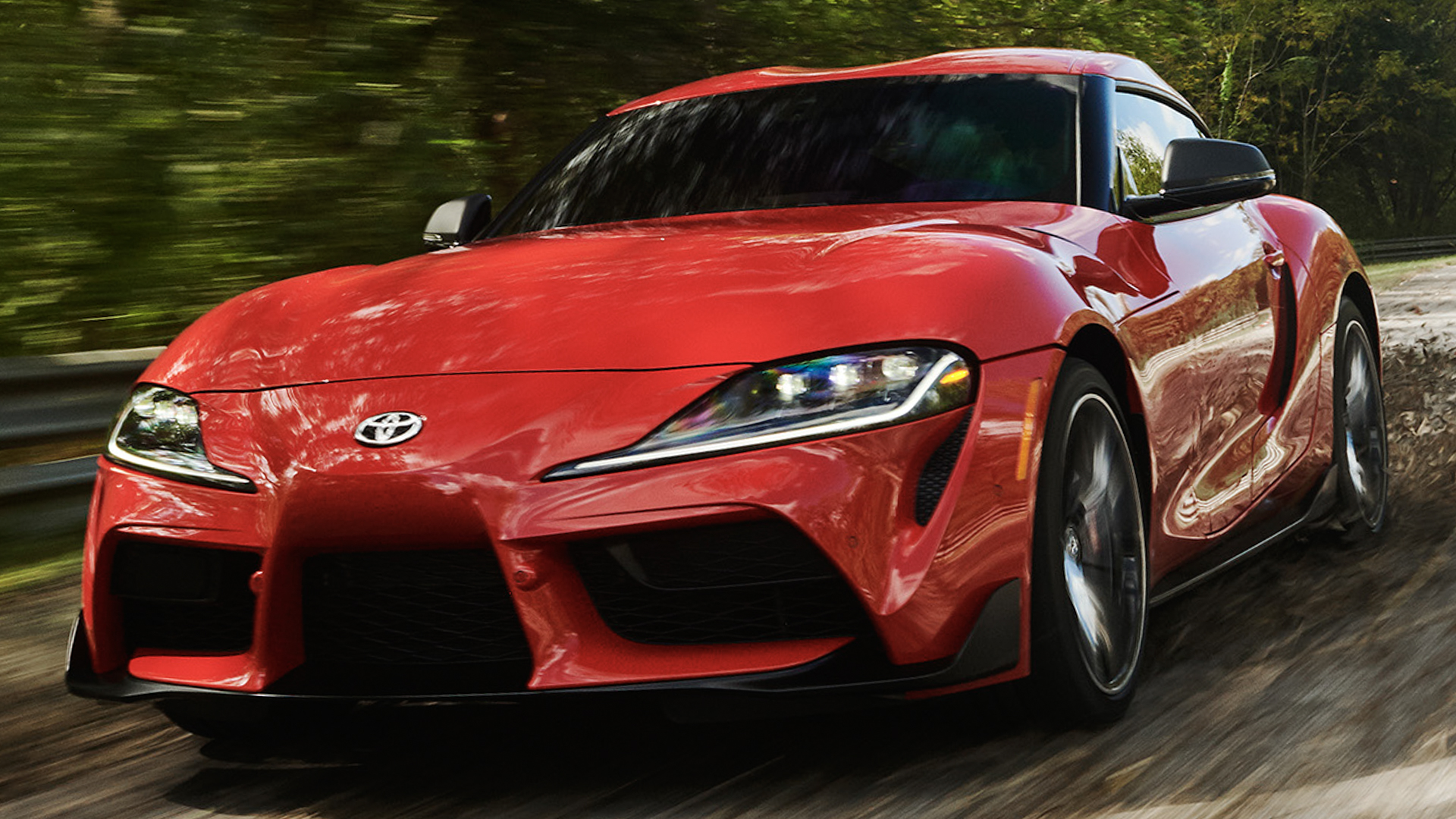
In contrast, the Toyota Supra sports a more aggressive and modern appearance, characterized by sharp edges and a muscular stance. With its wide body and prominent rear haunches, the Supra demands attention and communicates a sense of performance readiness. The unique design elements, such as the prominent rear spoiler and distinctive headlights, contribute to its dynamic look, making it a favorite among those who prefer a bolder aesthetic.
Both cars offer a range of color options and customizable features, allowing buyers to personalize their vehicles. Here are some key design highlights to consider:
- BMW Z4 M40i: Classic roadster design, elegant curves, luxurious interior finishes.
- Toyota Supra: Aggressive styling, sharp lines, driver-focused cockpit.
Ultimately, the choice between the BMW Z4 vs Toyota Supra in terms of design comes down to personal preference. While the Z4 M40i represents a blend of classic elegance and modern sportiness, the Supra excels with its eye-catching, performance-oriented design. Enthusiasts of both styles will find compelling reasons to choose either the BMW Z4 and Supra or the Toyota Supra vs BMW Z4 depending on what resonates more with their aesthetic sensibilities.
Pricing and Value: Is the BMW Z4 M40i Worth It Compared to the Toyota Supra?
When evaluating the BMW Z4 M40i vs Toyota Supra in terms of pricing and overall value, prospective buyers should consider the base prices of both vehicles. The Z4 M40i typically starts at a higher price point, reflecting its premium brand status and the luxurious features it offers. However, the Toyota Supra provides a more accessible entry into the sports car world, making it an attractive option for those seeking performance without breaking the bank.
Both vehicles come with a range of features that contribute to their value. Here are some factors to consider when comparing pricing:
- Base Price: Z4 M40i generally higher than Supra.
- Standard Features: Z4 offers more luxury-oriented options.
- Performance Packages: Supra’s performance upgrades are competitively priced.
- Resale Value: BMW often retains value better due to brand prestige.
Potential buyers should also analyze the long-term ownership costs associated with each vehicle. While the BMW Z4 and Supra may have similar maintenance needs, insurance rates and fuel economy can vary significantly, impacting the overall cost of ownership. For drivers prioritizing value, these aspects can be crucial when deciding between the BMW Z4 vs Toyota Supra.
Ultimately, determining whether the BMW Z4 M40i is worth its price compared to the Toyota Supra comes down to personal preferences and budget constraints. Enthusiasts who value luxury and advanced technology might lean towards the Z4, while those looking for a more performance-focused, budget-friendly option may find the Supra to be the better value.
Handling and Driving Experience: Z4 M40i vs Supra
When it comes to the handling and driving experience, the BMW Z4 M40i and Toyota Supra each present distinct characteristics that cater to different driving preferences. The Z4 M40i’s balance and stability shine through its rear-wheel-drive setup and sophisticated suspension, allowing for smooth transitions in corners. This enables drivers to confidently tackle winding roads, making the Z4 an excellent choice for those who appreciate fine-tuned precision.
In contrast, the Toyota Supra offers a more visceral driving experience. Its lower center of gravity and adaptive suspension contribute to a sportier feel, making it agile and responsive. Enthusiasts may find the Supra’s handling exhilarating as it encourages spirited driving. The differences between the BMW Z4 and Supra driving dynamics can lead to passionate discussions among fans, with each car appealing to unique tastes.
Another notable aspect is the feedback both cars provide to the driver. The Z4 M40i excels in delivering a refined steering feel, enhancing driver confidence during high-speed maneuvers. Meanwhile, the Supra is praised for its direct steering response and engaging feedback, which makes it a thrill for those who crave a more active driving connection. This distinction in performance characteristics makes the BMW Z4 M40i vs Toyota Supra comparison enjoyable for automotive enthusiasts.
Ultimately, the choice between the two may depend on individual preferences for handling dynamics. Here’s a brief summary of key handling aspects:
- BMW Z4 M40i: Balanced and stable, excellent cornering capability.
- Toyota Supra: Sporty, agile, and responsive, encouraging spirited driving.
Technology and Features: What Each Sports Car Offers
When it comes to technology and features, the BMW Z4 M40i and Toyota Supra each offer a range of advanced systems that enhance the driving experience. The Z4 M40i is equipped with the latest iDrive infotainment system, a high-resolution display, and an impressive sound system, ensuring that drivers stay connected and entertained. Additionally, the Z4 comes with optional features such as a heads-up display and adaptive cruise control, elevating the overall driving comfort.
On the other hand, the Toyota Supra emphasizes performance-oriented technology. It features a simplified, driver-focused cockpit that minimizes distractions and maximizes engagement. The Supra is equipped with an 8.8-inch touchscreen interface that integrates seamlessly with navigation and phone connectivity. Furthermore, advanced safety features, such as adaptive cruise control and lane departure warning, are standard, making the Supra a well-rounded choice for both performance and security.
Here’s a comparison of the key technological offerings in both vehicles:
| Features | BMW Z4 M40i | Toyota Supra |
|---|---|---|
| Infotainment System | iDrive with high-resolution display | 8.8-inch touchscreen interface |
| Audio System | Premium audio system available | Standard audio system |
| Driver Assistance | Optional adaptive cruise control | Standard adaptive cruise control and safety features |
| Heads-Up Display | Available | Not available |
Ultimately, the choice between the BMW Z4 vs Toyota Supra in terms of technology and features may depend on what aspects are prioritized by the driver. The Z4 M40i offers more luxury-oriented options, while the Supra focuses on performance-enhancing tech that aligns with its sporty character. Each model showcases a unique approach to integrating technology, making the BMW Z4 and Supra comparison an intriguing discussion for enthusiasts.
Reliability and Maintenance: BMW Z4 M40i vs Toyota Supra
When evaluating reliability and maintenance, the BMW Z4 M40i and Toyota Supra present differing reputations among enthusiasts and owners. Generally, the Toyota Supra is often regarded as the more reliable option, primarily due to Toyota’s long-standing commitment to durability and a proven track record in manufacturing. In contrast, BMWs can sometimes present more frequent maintenance requirements, reflecting the complexity of their engineering and advanced technology.
Both vehicles offer a range of warranty options, which can be crucial for potential buyers concerned about long-term reliability. Here’s a brief overview:
- BMW Z4 M40i: 4-year/50,000-mile limited warranty, with additional maintenance programs available.
- Toyota Supra: 3-year/36,000-mile basic warranty, but boasts a reputation for lower maintenance costs over time.
Another important aspect to consider is the availability of parts and service. The BMW Z4 and Supra cater to different service experiences. While BMW’s extensive network guarantees access to specialized services, the Toyota Supra may benefit from Toyota’s broader service presence, which can make maintenance more accessible and potentially less costly.
Ultimately, when discussing BMW Z4 vs Toyota Supra in the context of reliability and maintenance, drivers should weigh their priorities. If long-term reliability and lower maintenance costs are key factors, the Toyota Supra may stand out as the preferable choice. However, for those who appreciate the advanced engineering of the Z4 M40i, its performance may justify the additional care required.
No te pierdas: