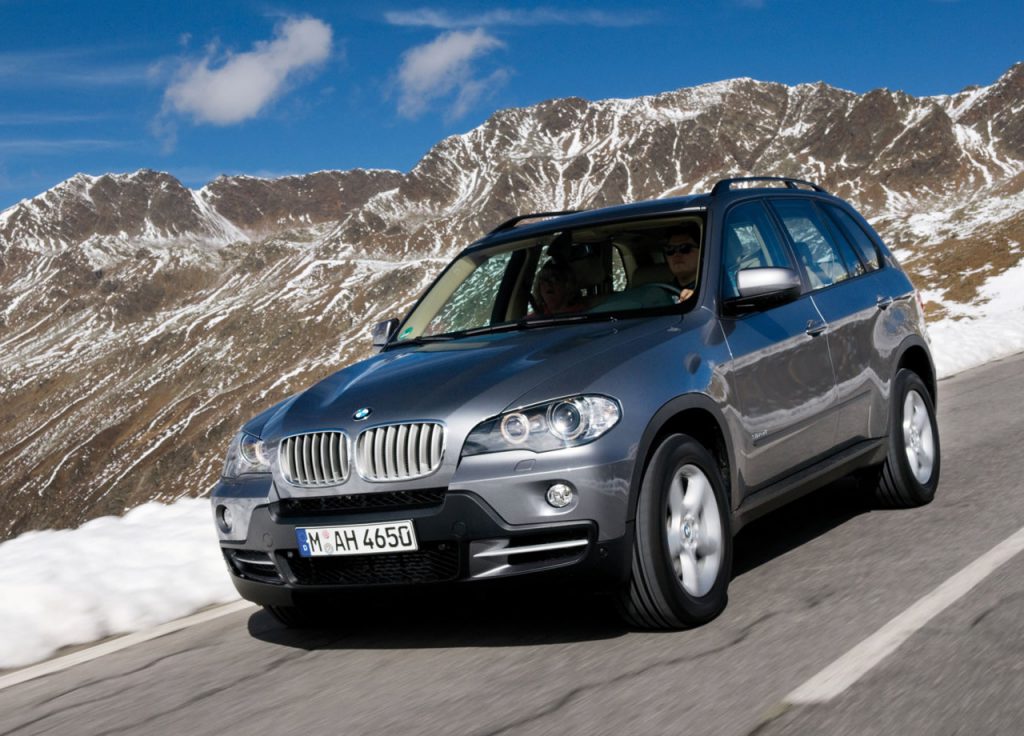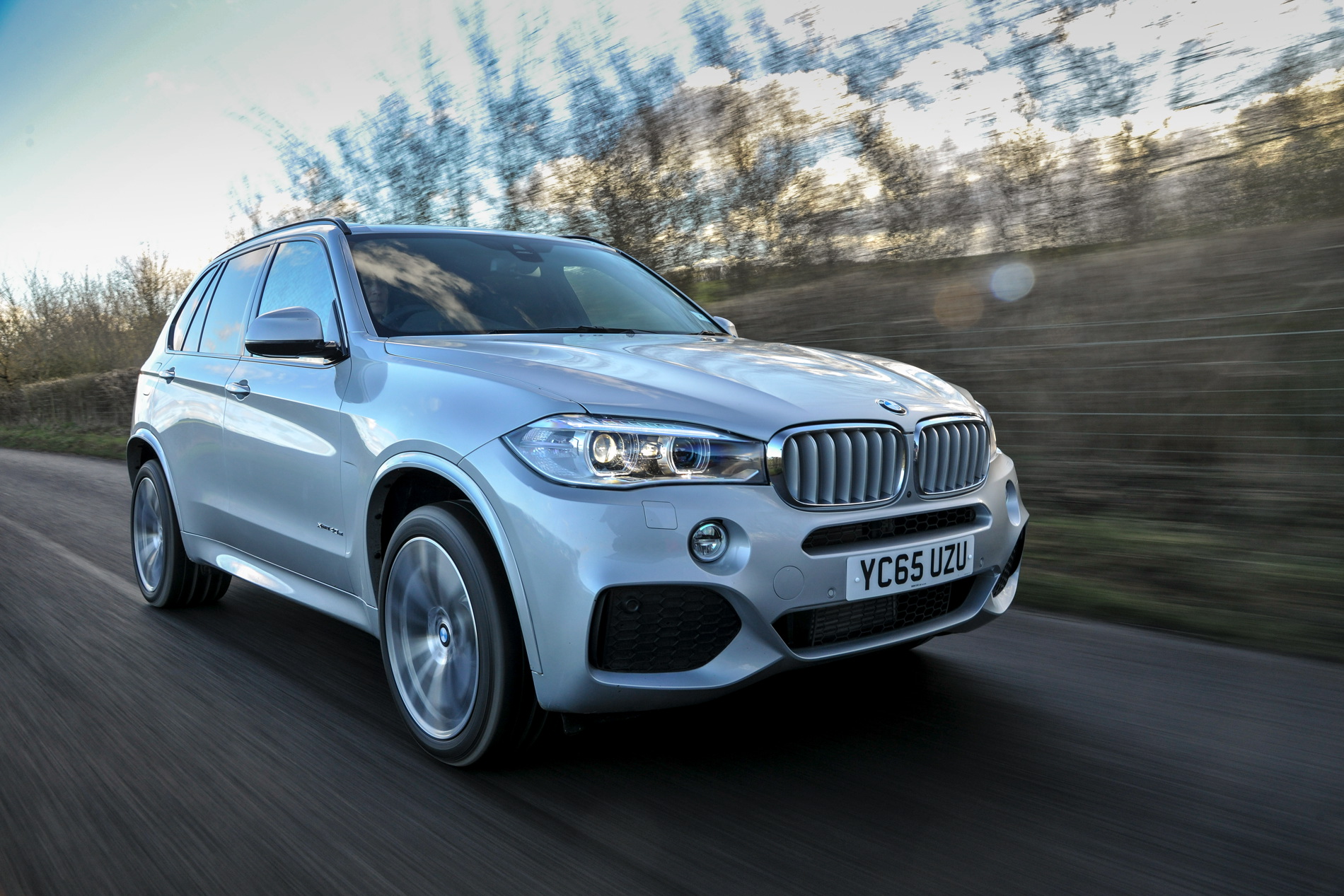
In the luxury SUV segment, hybrid models are gaining significant traction, offering both performance and efficiency. Two prominent contenders in this space are the BMW X5 xDrive40e and the Volvo XC90 T8 Twin Engine, each representing a unique blend of style, technology, and sustainability.
When comparing the **BMW X5 xDrive40e vs Volvo XC90 T8 Twin Engine**, potential buyers will find themselves weighing features such as powertrain performance, interior comfort, and cutting-edge safety technologies. This analysis aims to provide a comprehensive overview of these two vehicles, helping consumers make an informed decision based on their preferences and lifestyle needs.
BMW X5 xDrive40e Review: Performance and Efficiency Compared to Volvo XC90 T8
The BMW X5 xDrive40e excels in delivering a dynamic driving experience, thanks to its powerful hybrid powertrain that combines a 2.0-liter turbocharged engine with an electric motor. This setup produces an impressive total output of around 322 horsepower, allowing for swift acceleration and responsive handling. In contrast, the Volvo XC90 T8 Twin Engine, with its larger 2.0-liter supercharged and turbocharged engine paired with an electric motor, offers a combined output of approximately 400 horsepower, making it a strong competitor in terms of straight-line speed.
When it comes to efficiency, the BMW X5 xDrive40e demonstrates notable fuel economy ratings, achieving up to 50 MPGe when operating in hybrid mode. This efficiency is complemented by a respectable all-electric range of about 14 miles, making it suitable for short daily commutes. On the other hand, the Volvo XC90 T8 boasts a slightly superior electric range of around 18 miles, while also achieving an estimated 27 MPGe, which is commendable for a vehicle of its size.
In terms of handling and ride comfort, the BMW X5 xDrive40e features a sport-tuned suspension that enhances cornering capabilities, providing a more engaging drive. The XC90, however, prioritizes a plush ride, ensuring passengers experience a smooth journey regardless of the terrain. Below is a quick comparison of key performance and efficiency metrics:
| Model | Total Horsepower | Electric Range | MPGe |
|---|---|---|---|
| BMW X5 xDrive40e | 322 hp | 14 miles | 50 MPGe |
| Volvo XC90 T8 Twin Engine | 400 hp | 18 miles | 27 MPGe |
Volvo XC90 T8 Twin Engine: Key Features and Specifications Overview
The Volvo XC90 T8 Twin Engine stands out in the luxury hybrid SUV market, seamlessly integrating performance with eco-friendliness. Its advanced 2.0-liter supercharged and turbocharged engine works in conjunction with an electric motor, delivering an impressive combined output of approximately 400 horsepower. This powerful setup not only enhances acceleration but also ensures a responsive driving experience.
One of the key features of the XC90 T8 is its impressive all-electric range, which extends to around 18 miles. This allows for short trips and daily commutes to be accomplished without using any gasoline. Furthermore, the model achieves an estimated 27 MPGe, making it a highly efficient choice in its class. Below is a summary of notable specifications:
- Powertrain: 2.0-liter supercharged and turbocharged engine + electric motor
- Total Horsepower: 400 hp
- Electric Range: 18 miles
- MPGe: 27
In addition to its performance metrics, the Volvo XC90 T8 is equipped with a suite of cutting-edge safety technologies, including adaptive cruise control, lane-keeping assist, and automatic emergency braking. These features not only enhance driving convenience but also prioritize passenger safety, setting a high standard in the luxury SUV segment.
Hybrid SUVs Face-off: BMW X5 xDrive40e vs Volvo XC90 T8 Comparison
The hybrid SUV market is rapidly evolving, with the BMW X5 xDrive40e and Volvo XC90 T8 Twin Engine positioned as frontrunners. Each model showcases distinct engineering philosophies, appealing to different consumer preferences. The X5 is designed for those who prioritize performance and driving dynamics, while the XC90 emphasizes a family-friendly design with ample space and advanced safety features.
When considering the interior experience, both SUVs offer luxurious appointments, but their philosophies diverge. The BMW X5 xDrive40e focuses on a driver-centric cockpit, with high-quality materials and cutting-edge technology integrations, such as the iDrive infotainment system. In contrast, the Volvo XC90 T8 Twin Engine is known for its minimalist Scandinavian design, providing a serene environment complemented by a user-friendly touchscreen interface. Here’s a quick comparison of their interior features:
- BMW X5 xDrive40e: Driver-focused cockpit, premium materials, iDrive system
- Volvo XC90 T8: Minimalist design, spacious layout, intuitive touchscreen
In terms of technology, both vehicles are equipped with advanced driver-assistance systems. The BMW X5 offers features like parking assist and blind-spot monitoring, enhancing the driving experience. On the other hand, the Volvo XC90 T8 stands out with its Pilot Assist feature, which provides semi-autonomous driving capabilities. Below is a summary of their key technological offerings:
| Model | Driver Assistance Features | Infotainment System |
|---|---|---|
| BMW X5 xDrive40e | Parking assist, blind-spot monitoring | iDrive system |
| Volvo XC90 T8 Twin Engine | Pilot Assist, lane-keeping aid | Touchscreen interface |
Driving Experience: Handling and Comfort of BMW X5 xDrive40e vs Volvo XC90 T8
The BMW X5 xDrive40e is known for its sporty handling, making it a compelling choice for drivers who enjoy a more dynamic driving experience. With its agile suspension setup, the X5 effectively balances comfort and performance, allowing for confident cornering and a responsive feel on the road. The all-wheel-drive system enhances traction, providing stability whether on highways or winding country roads.
In contrast, the Volvo XC90 T8 Twin Engine places a greater emphasis on comfort and passenger experience. Its air suspension system offers a plush ride, absorbing road imperfections and delivering a serene environment for all occupants. This focus on comfort makes the XC90 an ideal choice for families or those who prioritize a smooth driving experience over sporty dynamics.
A key aspect of the driving experience for both vehicles is their hybrid powertrains, which significantly contribute to their performance profiles. The BMW X5 xDrive40e’s power delivery is immediate and engaging, while the XC90 T8 combines power and efficiency, offering a more relaxed driving style. Here’s a quick summary of their handling and comfort features:
- BMW X5 xDrive40e: Sport-tuned suspension, agile handling, all-wheel-drive stability
- Volvo XC90 T8: Air suspension, plush ride quality, passenger comfort focus
Which Plug-in Hybrid SUV Reigns Supreme: BMW X5 or Volvo XC90?
When it comes to design and aesthetics, both the BMW X5 xDrive40e and the Volvo XC90 T8 Twin Engine present strikingly attractive exteriors, but they cater to different tastes. The X5 embodies a sporty, aggressive look that emphasizes its performance-oriented nature, with bold lines and a commanding presence. Meanwhile, the XC90 showcases a sleek, elegant Scandinavian design that prioritizes sophistication and minimalism, appealing to those who prefer a more understated luxury.
In terms of cargo capacity, practicality plays a crucial role in the decision-making process for potential buyers. The BMW X5 xDrive40e offers a generous cargo space of about 33.9 cubic feet behind the second row, which can expand significantly when the rear seats are folded down. In contrast, the Volvo XC90 T8 provides slightly more room, with a standard cargo capacity of up to 15.8 cubic feet, and an impressive 85.7 cubic feet with the rear seats down, making it an ideal choice for families needing ample storage for daily activities or road trips.
Safety is another crucial factor distinguishing these two SUVs. The Volvo XC90 T8 Twin Engine is renowned for its commitment to safety, equipped with a comprehensive suite of features such as blind-spot monitoring and autonomous emergency braking. The XC90 has consistently performed well in crash tests, earning top ratings from safety organizations. On the other hand, the BMW X5 xDrive40e also boasts advanced safety technologies, including adaptive cruise control and collision mitigation, ensuring peace of mind for all passengers.
Ultimately, the choice between the BMW X5 xDrive40e and the Volvo XC90 T8 Twin Engine comes down to individual preferences and lifestyle needs. For those who prioritize exhilarating performance and a driver-focused experience, the X5 stands out as a top contender. Conversely, if comfort, spaciousness, and advanced safety features are paramount, the XC90 proves to be a formidable option. Both vehicles represent exceptional choices in the luxury plug-in hybrid SUV segment, ensuring that buyers will be satisfied regardless of their decision.
Price Analysis: Cost Comparison Between BMW X5 xDrive40e and Volvo XC90 T8
When considering the price analysis of the BMW X5 xDrive40e and Volvo XC90 T8 Twin Engine, potential buyers are keen to understand the overall cost implications of ownership. The base price for the BMW X5 xDrive40e typically starts around $65,400, while the Volvo XC90 T8 begins at approximately $63,000. However, these figures can fluctuate based on trim levels and additional options selected, which can significantly impact the final purchase price.
In terms of long-term ownership costs, it is essential to assess factors like maintenance, insurance, and fuel expenses. Both vehicles offer competitive warranties, yet their different powertrains can lead to varying maintenance costs over time. Here’s a quick breakdown of some key expenses to consider:
- Insurance Rates: Generally, the BMW may have a higher insurance premium due to its performance-oriented nature.
- Maintenance Costs: Both brands provide reliable service; however, BMW parts can be more expensive to replace.
- Fuel Efficiency: The X5 offers impressive MPGe ratings, which can contribute to lower fuel expenses compared to traditional vehicles.
Moreover, incentives for hybrid vehicles can play a pivotal role in the cost comparison. Potential buyers should consider federal tax credits, which can provide significant savings on the purchasing price of both models. These credits can vary by region, so it’s prudent to check local regulations. Ultimately, prospective owners should weigh both the upfront costs and long-term expenses to determine which model aligns best with their financial goals and lifestyle needs.
No te pierdas: