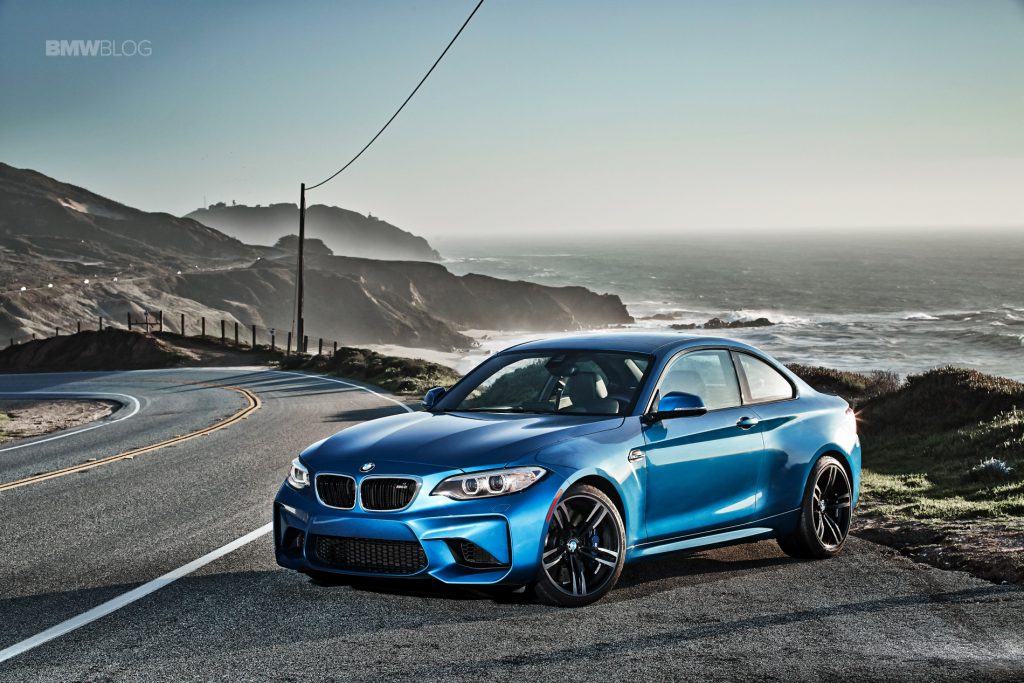
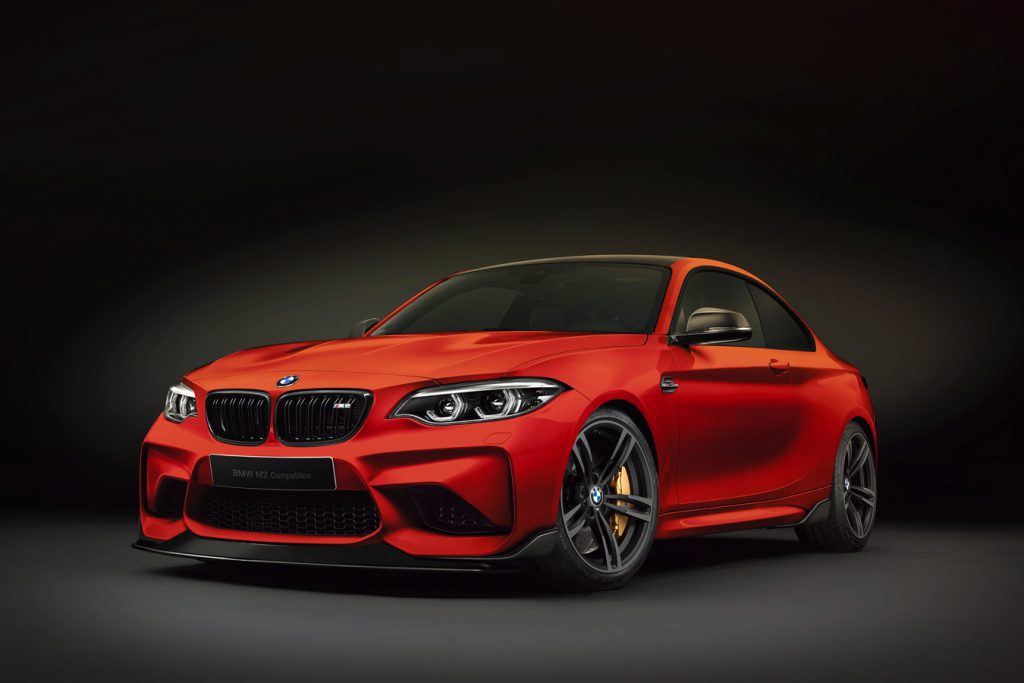
The world of performance cars is often defined by thrilling competitions that showcase speed, power, and precision. In this exhilarating showdown, we take a closer look at two iconic vehicles that have captured the hearts of enthusiasts: the BMW M2 Competition and the Alfa Romeo 4C.
As we delve into the details of the **BMW M2 Competition vs Alfa Romeo 4C Drag Race**, we will explore their engineering, performance metrics, and how each car handles the intense demands of a drag race. This comparison will reveal not just the numbers, but also the driving experience that each model offers to its pilot.
BMW M2 Competition vs Alfa Romeo 4C: A Comprehensive Comparison
The BMW M2 Competition and the Alfa Romeo 4C are two remarkable examples of automotive engineering that appeal to performance enthusiasts. Each car embodies a unique philosophy: while the M2 Competition focuses on providing a robust and versatile driving experience, the 4C emphasizes lightweight agility and raw driving pleasure. This fundamental difference sets the stage for an engaging comparison.
When examining the performance specs, the BMW M2 Competition boasts a powerful inline-six engine that delivers impressive horsepower and torque, allowing it to excel on both the track and the street. In contrast, the Alfa Romeo 4C features a turbocharged four-cylinder engine that, although less powerful, benefits from a lightweight chassis that enhances acceleration and cornering capabilities. Here’s a brief comparison of their specifications:
| Feature | BMW M2 Competition | Alfa Romeo 4C |
|---|---|---|
| Engine | 3.0L Inline-Six | 1.75L Turbo Inline-Four |
| Power | 405 hp | 237 hp |
| Weight | 1,570 kg | 895 kg |
| 0-60 mph | 4.0 seconds | 4.1 seconds |
In terms of handling and driving dynamics, the M2 Competition offers a more balanced setup with rear-wheel drive and an adaptive suspension that can tackle various road conditions. Meanwhile, the 4C’s mid-engine layout and minimal weight create a thrilling, go-kart-like feel that many drivers adore. Ultimately, choosing between these two cars boils down to personal preference—whether one values brute strength or the exhilarating connection to the road.
Understanding the Performance Specs of BMW M2 Competition and Alfa Romeo 4C
Understanding the performance specs of both the BMW M2 Competition and the Alfa Romeo 4C begins with a look at their engine configurations. The M2 features a robust 3.0-liter inline-six engine that produces a commanding 405 horsepower, providing a thrilling driving experience. In contrast, the 4C’s 1.75-liter turbocharged inline-four engine, while generating a modest 237 horsepower, compensates with its lightweight construction, making it incredibly agile.
Another crucial aspect to consider is acceleration. The BMW M2 Competition can sprint from 0 to 60 mph in just 4.0 seconds, showcasing its muscle and power. Meanwhile, the Alfa Romeo 4C, with a 0-60 mph time of 4.1 seconds, proves that lightweight design can also deliver impressive performance. This slight difference highlights how engineering philosophies can impact performance metrics.
When it comes to weight distribution and handling, the M2 Competition tips the scales at 1,570 kg, offering a balance that facilitates confident cornering. On the other hand, the 4C stands out with its featherlight weight of just 895 kg, enhancing its responsiveness and providing a go-kart-like driving experience that many enthusiasts crave. This distinction in weight plays a significant role in how each car performs on the track.
In summary, both vehicles showcase their unique engineering philosophies in their performance specs. While the BMW M2 Competition delivers powerful acceleration and a balanced ride, the Alfa Romeo 4C offers a lightweight agility that enhances the driving thrill. Ultimately, each car caters to different preferences, whether one seeks raw power or a more connected driving experience.
Drag Race Showdown: BMW M2 Competition vs Alfa Romeo 4C Explained
The drag race showdown between the BMW M2 Competition and the Alfa Romeo 4C promises an exhilarating clash of performance philosophies. While the M2 Competition relies on its powerful engine to dominate the straightaways, the 4C’s lightweight construction offers a different kind of thrill, allowing it to showcase nimble handling and agility. This dynamic creates a captivating spectacle for car enthusiasts eager to witness which vehicle will triumph on the drag strip.
Performance metrics play a crucial role in understanding the outcome of this competition. The BMW M2’s inline-six engine delivers significant horsepower, while the turbocharged four-cylinder of the Alfa Romeo, though less powerful, benefits from a reduced weight that enhances its speed in drag races. Here’s a quick overview of their key performance features:
- Horsepower: M2 Competition with 405 hp vs. 4C with 237 hp
- Weight: M2 weighs 1,570 kg compared to 4C’s 895 kg
- Acceleration (0-60 mph): M2 in 4.0 seconds vs. 4C in 4.1 seconds
- Drive Type: M2 features rear-wheel drive, while 4C is mid-engine
The driving experience is another pivotal aspect to consider in this drag race. The BMW M2 Competition’s adaptive suspension provides a comfortable yet sporty ride, making it suitable for both daily driving and track use. Conversely, the Alfa Romeo 4C’s minimalist design offers a raw driving sensation that resonates with purists. Ultimately, personal preference will dictate which car reigns supreme in this thrilling drag race.
Which Car Wins the Drag Race? BMW M2 Competition or Alfa Romeo 4C?
When it comes to the drag race between the BMW M2 Competition and the Alfa Romeo 4C, the outcome is shaped by several key factors, including power delivery and weight dynamics. The M2 Competition, with its robust 405 horsepower, is the heavy favorite in terms of sheer power. However, the 4C’s lightweight design allows it to leverage agility, often surprising opponents despite having significantly less horsepower.
Acceleration plays a crucial role in drag racing, and while the BMW M2 claims a 0-60 mph time of 4.0 seconds, the Alfa Romeo 4C isn’t far behind at 4.1 seconds. This narrow margin highlights the importance of not just power but also how efficiently a car can translate that power into speed. Factors like traction and launch control become pivotal in determining which car gets off the line faster.
The driving experience in this context also influences the race. The M2 Competition offers a more stable ride due to its rear-wheel drive and adaptive suspension, giving it a confident feel during acceleration. Conversely, the 4C’s mid-engine layout and minimal weight give it a unique thrill that resonates with driving purists, making it a formidable rival in the race.
In conclusion, while the BMW M2 Competition may have the edge in power, the Alfa Romeo 4C’s lightweight and agile handling create an exciting dynamic on the drag strip. Ultimately, the winner of this drag race could come down to driver skill and the ability to harness each car’s strengths effectively.
Key Features of BMW M2 Competition and Alfa Romeo 4C for Drag Racing
When considering the key features of the BMW M2 Competition and the Alfa Romeo 4C for drag racing, the performance dynamics of each vehicle stand out significantly. The BMW M2 Competition is equipped with a powerful 3.0L inline-six engine, which delivers an impressive 405 horsepower. This robust power output allows it to achieve quick acceleration times, maximizing performance on the drag strip. In contrast, the Alfa Romeo 4C, with its lightweight 1.75L turbo inline-four engine producing 237 horsepower, excels in agility and responsiveness, showcasing a unique strength that complements its design philosophy.
Another crucial aspect is the weight distribution and overall weight of each car. The M2 Competition weighs 1,570 kg, offering a balanced platform that contributes to its stability during high-speed runs. Meanwhile, the 4C’s remarkably low weight of just 895 kg enables it to leverage its agility more effectively, allowing for quicker reaction times off the line. This weight difference plays a pivotal role in how each car handles the demands of drag racing, with the lighter vehicle often achieving better launch dynamics.
Additionally, driving dynamics are essential for drag racing performance. The BMW M2 Competition features an adaptive suspension system, providing a blend of comfort and sportiness that helps maintain traction during acceleration. On the other hand, the Alfa Romeo 4C’s mid-engine layout and minimalist design deliver a raw driving experience that enhances its connection to the road. Such differences in design philosophy significantly affect how each car behaves during a drag race.
Finally, technology and features also differentiate the two models in drag racing scenarios. The M2 Competition comes equipped with advanced traction control and launch control systems, enhancing its ability to maximize power delivery during a race. Conversely, the 4C emphasizes a more driver-focused experience, which may appeal to those looking for a more engaging performance. As a result, the choice between these two iconic vehicles ultimately comes down to individual preference, balancing power against lightweight agility in the pursuit of drag racing excellence.
The Ultimate Drag Race: BMW M2 Competition Takes on Alfa Romeo 4C
The ultimate drag race between the BMW M2 Competition and the Alfa Romeo 4C is not just about raw power; it’s a thrilling test of engineering philosophies and driving experiences. While the M2 Competition showcases its formidable inline-six engine with a robust 405 horsepower, the 4C leverages its lightweight structure to deliver agility that can often catch rivals off guard. This race is bound to highlight the contrasting strengths of each vehicle, appealing to both power enthusiasts and fans of lightweight performance.
As the two cars line up at the starting line, several critical factors will influence their performance. Key elements include:
- Launch Control: The M2 Competition’s advanced system optimizes acceleration from a standstill.
- Weight Dynamics: The 4C’s ultra-lightweight chassis provides a significant advantage in initial speed.
- Driving Style: Each driver’s ability to maximize their car’s strengths will play a crucial role in the race outcome.
In terms of handling, while the BMW M2 Competition benefits from its rear-wheel drive setup and adaptive suspension, allowing it to maintain stability under acceleration, the Alfa Romeo 4C’s mid-engine layout offers a unique driving thrill that resonates with purists. This fundamental difference in design not only affects race outcomes but also enriches the overall driving experience, creating a captivating spectacle for spectators and participants alike.
Ultimately, the race between these two iconic vehicles exemplifies the passion for performance in the automotive world. Whether the BMW M2 Competition’s horsepower will outpace the Alfa Romeo 4C’s agile maneuverability remains to be seen, but one thing is certain: enthusiasts will be on the edge of their seats, eagerly awaiting the results of this exhilarating competition.
No te pierdas: