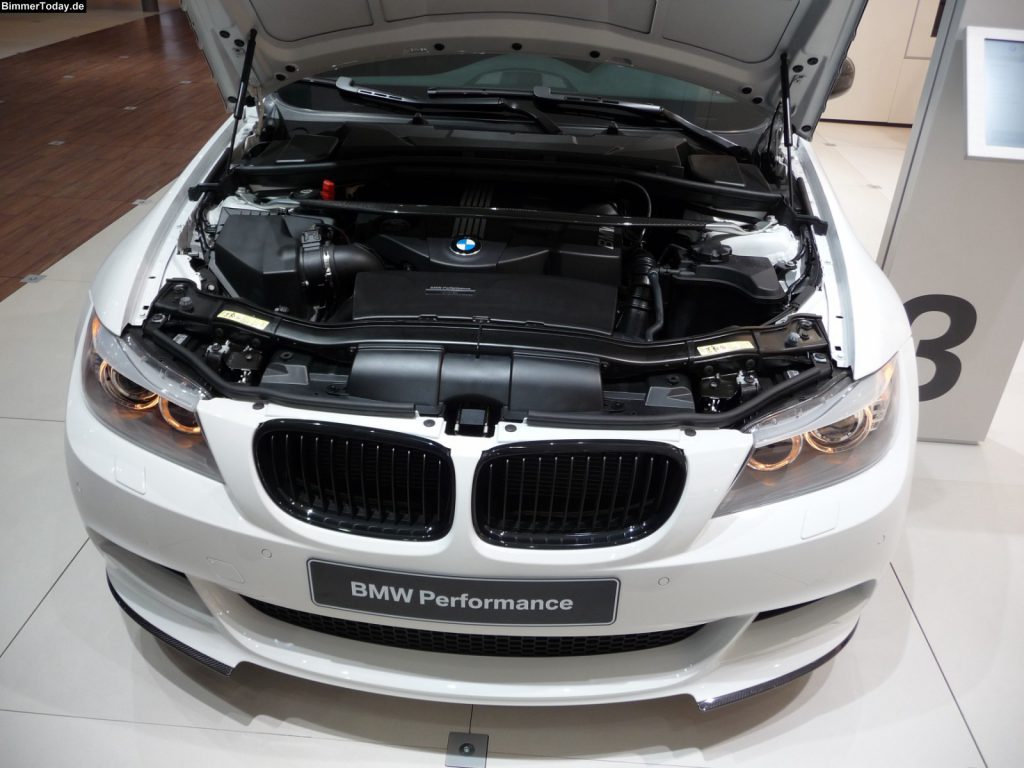
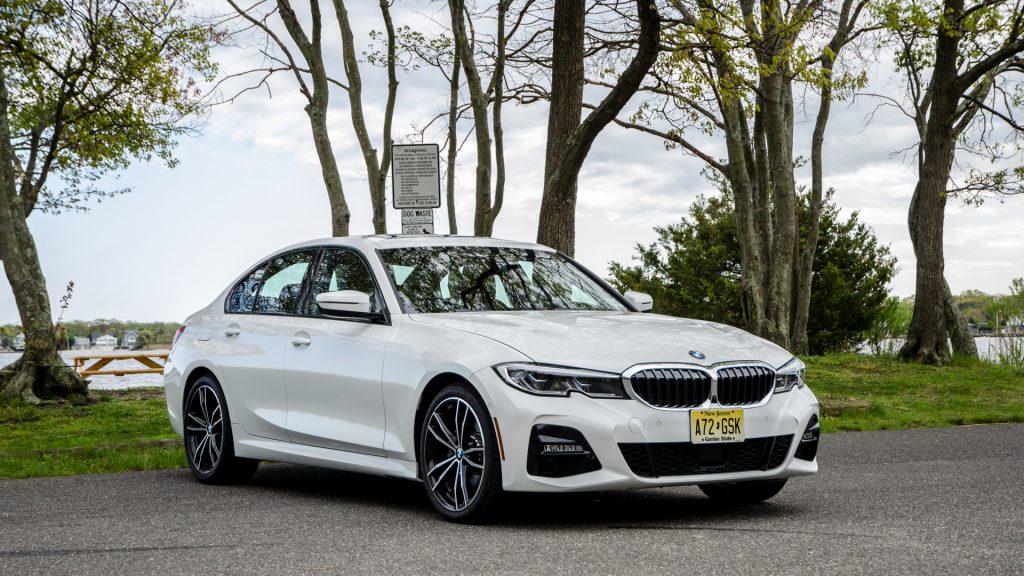
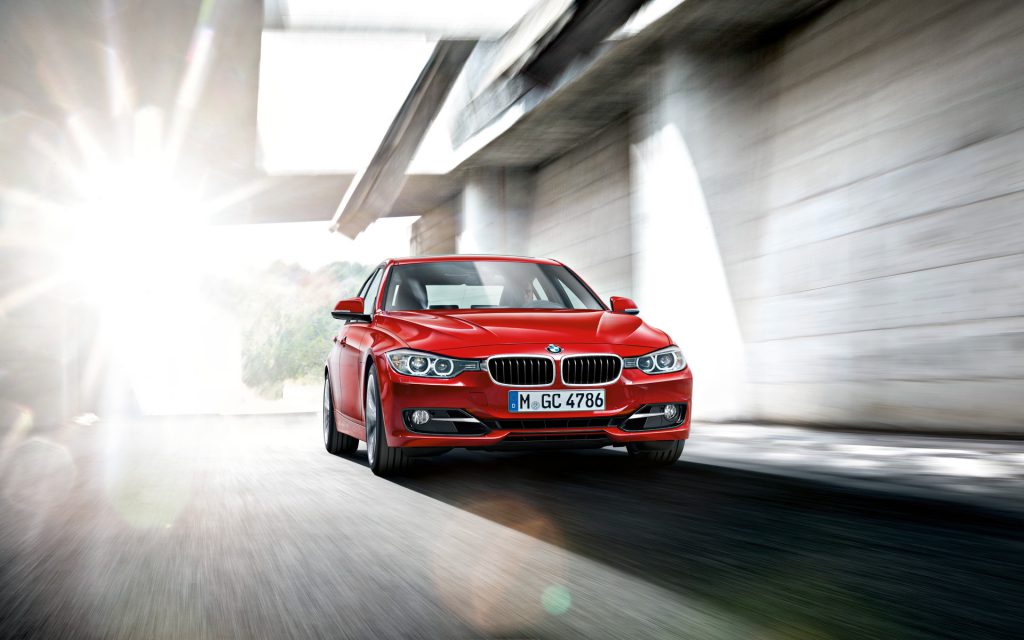
The world of performance cars has always captivated enthusiasts, and BMW has consistently delivered models that combine luxury with exhilarating driving experiences. Among their lineup, the BMW 135i, BMW 335i, and the legendary BMW M3 E46 stand out for their unique characteristics and driving dynamics, appealing to different types of drivers.
In this comparison, we delve into the nuances that differentiate these three iconic models, each representing a significant era in BMW’s history. Join us as we explore the merits and performance of these vehicles in our analysis of BMW 135i vs BMW 335i vs BMW M3 E46, highlighting what makes each one a remarkable choice for any car enthusiast.
BMW 135i vs BMW 335i: Key Differences Explained
When comparing the BMW 135i vs 335i, the first notable difference lies in their design and size. The 135i is a compact coupe that emphasizes agility and a sportier aesthetic, while the 335i offers a more spacious and elegant sedan layout. This distinction often appeals to different buyer preferences, whether one prioritizes a nimble driving experience or comfort and practicality.
Performance-wise, both models feature BMW’s renowned inline-six engines, but the 335i typically benefits from a slightly more powerful variant. Here are some key specifications to consider:
- Engine: 135i – 3.0L I6, 335i – 3.0L I6 with turbocharging
- Horsepower: 135i – 300 hp, 335i – 335 hp
- 0-60 mph: 135i – 5.1 sec, 335i – 5.0 sec
Another critical aspect in the 135i vs 335i comparison is the technology and features offered. The 335i often comes equipped with advanced options, such as enhanced infotainment systems and driver assistance features, making it a more tech-savvy choice. In contrast, the 135i focuses on delivering a purer driving experience, appealing to enthusiasts who prefer minimal distractions while on the road.
Ultimately, the choice between the BMW 135i and 335i will largely depend on individual preferences. Those seeking a compact, spirited drive may lean towards the 135i, while buyers looking for a versatile performance sedan with additional features might find the 335i to be the better option. Each model represents BMW’s commitment to driving pleasure and performance, catering to distinct tastes in the car enthusiast community.
Performance Comparison: BMW 135i, 335i, and M3 E46
The performance characteristics of the BMW 135i, 335i, and M3 E46 showcase distinct engineering philosophies that cater to a variety of driving styles. The M3 E46, known for its high-revving engine and track-ready dynamics, sets a benchmark in the performance segment. With a naturally aspirated 3.2L inline-six engine producing around 333 hp, it delivers an exhilarating driving experience that enthusiasts crave.
In contrast, the BMW 135i and 335i both feature turbocharged inline-six engines, combining performance with everyday usability. The 135i, being more compact, offers a sportier feel, while the 335i, with its additional power and spaciousness, serves as a versatile performance sedan. Here’s a quick performance overview:
| Model | Engine | Horsepower | 0-60 mph |
|---|---|---|---|
| BMW 135i | 3.0L I6 | 300 hp | 5.1 sec |
| BMW 335i | 3.0L I6 Turbo | 335 hp | 5.0 sec |
| M3 E46 | 3.2L I6 | 333 hp | 4.8 sec |
When evaluating the 135i vs 335i performance, the difference in driving experience is palpable. The 135i is revered for its agility and responsive handling, making it an ideal choice for those who prioritize a thrilling drive. On the other hand, the 335i, while still sporty, leans more towards comfort and practicality without sacrificing acceleration or power.
Ultimately, the choice among these three BMW models depends on individual needs and preferences. Whether you seek the raw performance of the M3 E46 or the balanced appeal of the 135i and 335i, each car embodies BMW’s dedication to performance and driving pleasure, allowing enthusiasts to select a model that resonates with their automotive passions.
Which BMW is Better for Daily Driving: 135i or 335i?
When it comes to daily driving, the choice between the BMW 135i and 335i can heavily depend on personal priorities. The 135i, being smaller and sportier, offers an agile and engaging driving experience that’s perfect for navigating city streets. In contrast, the 335i presents a more comfortable ride with its larger dimensions, making it an excellent option for longer commutes or family outings.
In terms of practicality, the BMW 335i has the upper hand with its spacious interior and trunk space, accommodating passengers and cargo with ease. Here are some factors to consider when comparing these two models:
- Interior Space: 135i – Compact, sport-oriented; 335i – Spacious, family-friendly.
- Comfort Level: 135i – Sporty ride; 335i – Comfort-focused with premium materials.
- Fuel Efficiency: 135i – Slightly better in city driving; 335i – Efficient for highway cruising.
Both models are equipped with BMW’s performance-oriented features, but the 335i often includes more luxury amenities and advanced technology options. This makes it a more appealing choice for those who enjoy a well-rounded driving experience without compromising on comfort. Ultimately, the decision in the 135i vs 335i debate comes down to whether you prefer a nimble, spirited drive or a more versatile and comfortable sedan for everyday use.
Moreover, the driving dynamics of each car differ significantly. The 135i excels in sporty handling, making it a fun option for those who enjoy spirited driving on twisty roads. Meanwhile, the 335i balances performance with comfort, providing a smooth ride that’s enjoyable during daily commutes. Each model has merits, and potential buyers should test drive both to see which suits their lifestyle best.
Exploring the Legacy of the BMW M3 E46
The BMW M3 E46 has carved a significant niche in automotive history, celebrated for its perfect blend of power and precision. Produced from 2000 to 2006, this model established itself as a benchmark for performance cars, attracting enthusiasts with its thrilling driving dynamics and iconic design. The M3 E46’s naturally aspirated 3.2L inline-six engine, producing 333 hp, provides an exhilarating experience that still resonates with car lovers today.
One of the defining features of the M3 E46 is its lightweight construction, which enhances agility and responsiveness on the road. This model is often praised for its balanced chassis and precise steering, making it a superb choice for both track days and everyday driving. The M3 E46 not only delivers raw power but also embodies the spirit of driving pleasure that BMW is renowned for, setting it apart from other models like the 135i vs 335i.
Moreover, the M3 E46’s legacy is not just limited to performance; it has significantly influenced BMW’s design language and engineering philosophy. The aggressive styling, coupled with a driver-focused interior, showcases BMW’s commitment to creating a car that is as enjoyable to look at as it is to drive. Many consider the M3 E46 to be one of the last true analog sports cars, offering a purer driving experience compared to modern turbocharged alternatives.
In the context of comparing the 135i vs 335i, the M3 E46 stands out as a unique specimen. While the 135i and 335i offer modern conveniences and efficient turbocharged engines, the M3 E46’s naturally aspirated setup and raw driving feel provide a nostalgic connection to the golden age of performance cars. For enthusiasts, the M3 E46 remains a timeless classic, representing the pinnacle of BMW’s engineering prowess and passionate design ethos.
Cost of Ownership: BMW 135i, 335i, and M3 E46
When considering the cost of ownership for the BMW 135i, 335i, and M3 E46, several factors come into play beyond just the purchase price. Insurance rates can vary significantly among these models, with the M3 E46 typically commanding higher premiums due to its performance reputation and enthusiast demand. The 135i and 335i appeal to a broader audience and generally have lower insurance costs, making them more practical choices for daily drivers.
Maintenance and repair costs are vital aspects of ownership that can impact the overall financial commitment. The M3 E46, being an older model, may encounter more frequent repairs as components age. In contrast, the 135i and 335i, with their newer technology, often enjoy better reliability. Here’s a brief comparison of common ownership costs:
- Maintenance Costs: M3 E46 – Higher due to specialized parts; 135i/335i – Moderate, with easier access to parts.
- Fuel Economy: M3 E46 – Less efficient; 135i – Better for city driving; 335i – Good for highway efficiency.
- Resale Value: M3 E46 – Strong collector’s market; 135i – Stable; 335i – Competitive but varies widely.
Fuel costs also differ among these models, with the M3 E46 consuming more due to its higher performance nature. While the 135i offers slightly better fuel economy, the 335i provides a balance of power and efficiency, making it a cost-effective option for those who still desire performance. Thus, for owners weighing 135i vs 335i and M3 E46, understanding these ownership costs can help inform their decision.
Ultimately, the cost of ownership for these BMW models reflects their performance capabilities and the intended use of each car. Enthusiasts interested in spirited driving may prioritize the M3 E46 despite its higher expenses, while those seeking a more balanced option might lean towards the 335i or 135i. Each model presents its unique financial landscape, and potential buyers should thoroughly evaluate these factors before making a purchase.
Tuning Potential: Upgrading Your BMW 135i, 335i, and M3 E46
Tuning potential is a crucial consideration for enthusiasts looking to enhance their BMW driving experience. The BMW 135i, 335i, and M3 E46 each offer unique opportunities for upgrades, allowing owners to tailor performance to their preferences. Whether it’s increasing horsepower, improving handling, or enhancing aesthetics, the tuning landscape for these models is vibrant and full of possibilities. Here are some popular tuning options:
- ECU Remapping: Enhances engine performance by optimizing fuel maps and boost levels.
- Exhaust Upgrades: Improves exhaust flow and sound, adding a more aggressive tone.
- Suspension Kits: Upgrades for improved handling and ride quality.
When considering the 135i vs 335i in terms of tuning, the 335i’s turbocharged engine offers a broader range of performance gains. With a few modifications, such as a larger intercooler or a high-flow downpipe, the 335i can reach impressive horsepower levels, often exceeding 400 hp with the right setup. On the other hand, the 135i, while slightly less powerful, is known for its agile handling, making it a great candidate for suspension upgrades that enhance cornering performance.
The M3 E46 stands out in the tuning community due to its classic naturally aspirated engine, which responds beautifully to performance modifications. Owners often seek to improve throttle response and overall efficiency through lightweight components and high-performance air intakes. The M3 E46’s iconic status means many aftermarket parts are available, making it a fulfilling platform for passionate tuners. Here are some common upgrades for the M3 E46:
- Intake Systems: Increases airflow for better performance.
- Sport Brakes: Enhances stopping power for track-focused drivers.
- Lightweight Wheels: Reduces unsprung weight for improved handling.
Ultimately, tuning each model presents unique possibilities and challenges. The 135i vs 335i debate often centers around daily usability versus pure performance potential, while the M3 E46 remains a beloved choice for those who appreciate the nuances of analog driving experiences. Regardless of the model, each offers a canvas for enthusiasts to express their automotive passions and elevate their driving dynamics.
No te pierdas: