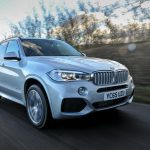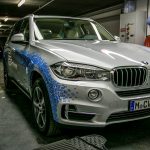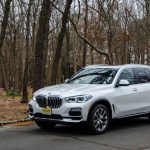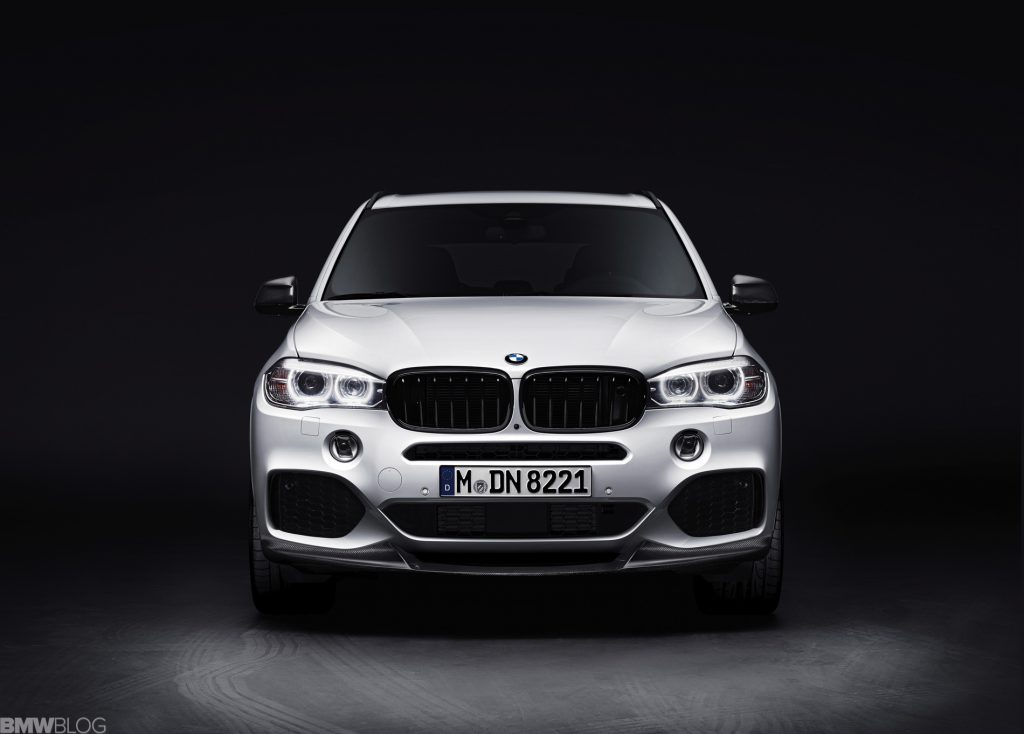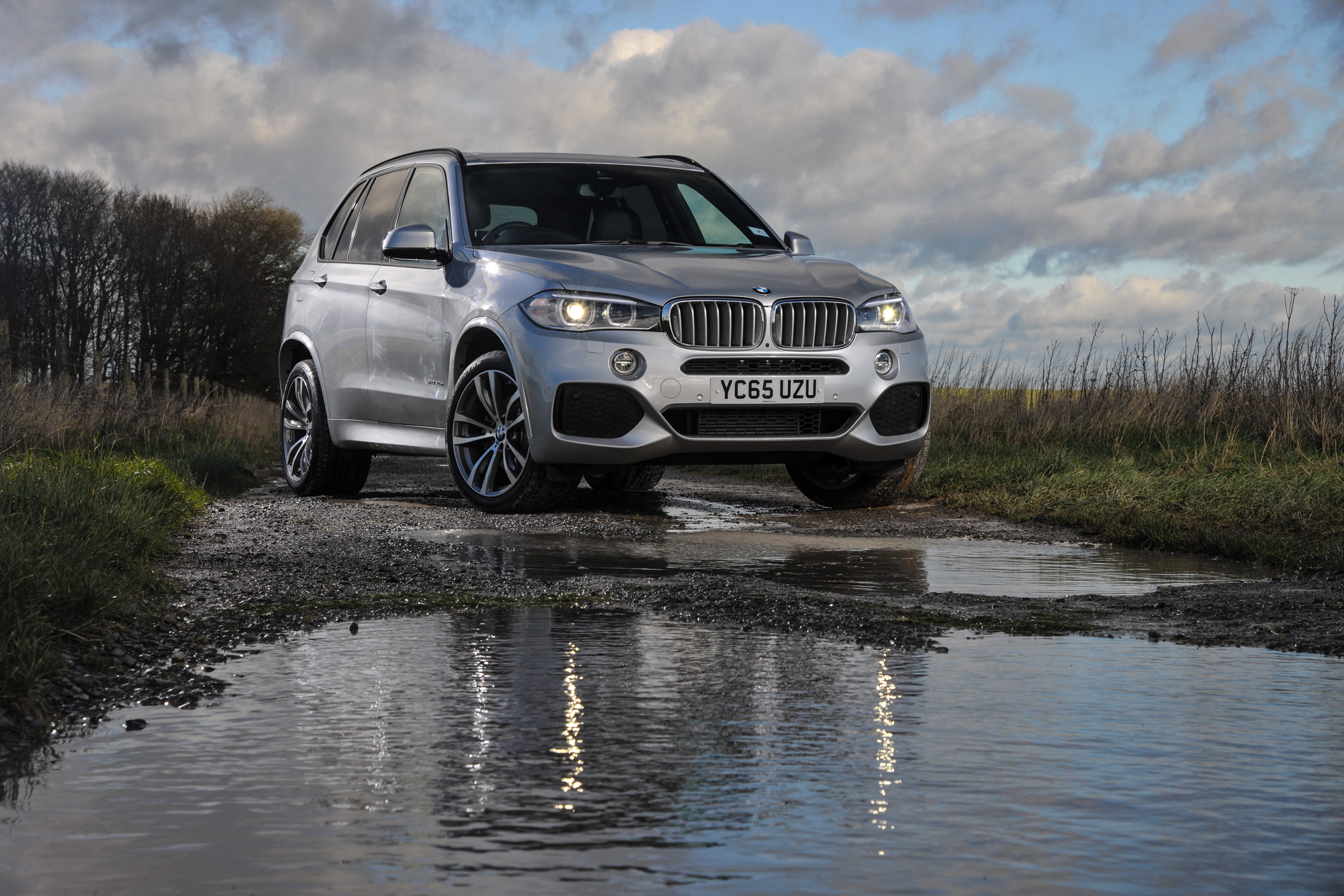
The luxury SUV market has seen significant competition, particularly between two formidable contenders: the BMW X5 xDrive40e and the Range Rover Sport Td6. Both vehicles offer a blend of performance, comfort, and cutting-edge technology, making them top choices for discerning drivers. As we explore the nuances of these models, it becomes evident that each brings unique strengths to the table.
In this analysis, we will delve into the key features, performance metrics, and overall driving experience of both vehicles. By comparing the **BMW X5 xDrive40e vs Range Rover Sport Td6**, we aim to provide a comprehensive understanding of what sets these luxury SUVs apart and help potential buyers make an informed decision.
Comparison of Performance: BMW X5 xDrive40e vs Range Rover Sport Td6
When comparing the BMW X5 xDrive40e and the Range Rover Sport Td6, performance is a crucial aspect to consider. The BMW X5 xDrive40e features a plug-in hybrid powertrain that delivers a combined output of 308 horsepower, showcasing its ability to balance efficiency with power. On the other hand, the Range Rover Sport Td6 is equipped with a robust 3.0-liter inline-six turbocharged diesel engine, producing 254 horsepower, which emphasizes its strength in off-road capabilities.
Acceleration and handling characteristics are also significant differentiators between these two models. The X5 xDrive40e can sprint from 0 to 60 mph in approximately 6.5 seconds, benefiting from its electric motor’s instant torque. In contrast, the Td6 offers a more leisurely acceleration, reaching 60 mph in about 7.1 seconds, but excels in providing a smoother ride over rough terrain.
- BMW X5 xDrive40e: 0-60 mph in 6.5 seconds
- Range Rover Sport Td6: 0-60 mph in 7.1 seconds
In terms of driving dynamics, the X5 is known for its sporty handling and responsive steering, making it a pleasure to drive on twisty roads. Meanwhile, the Range Rover Sport delivers a more commanding presence on the road and a superior off-road capability, thanks to its advanced terrain response system. Ultimately, the choice between these two SUVs will depend on whether the buyer prioritizes sporty performance or rugged versatility.
Fuel Efficiency Analysis: Hybrid vs Diesel Engines
When evaluating fuel efficiency, the BMW X5 xDrive40e and Range Rover Sport Td6 present distinct advantages, primarily due to their differing powertrains. The hybrid system in the X5 xDrive40e allows for improved fuel economy, as it can operate solely on electric power for short trips, providing an EPA rating of around 24 miles per gallon when combined with gasoline. In contrast, the Td6 delivers solid fuel efficiency for a diesel engine, averaging approximately 26 miles per gallon, making it an appealing option for long-distance driving.
Overall, the efficiency benefits of a hybrid vehicle like the X5 xDrive40e can be highlighted with the following points:
- Electric-Only Range: Limited-range trips can be completed without using gasoline.
- Regenerative Braking: Energy is recovered during braking, enhancing overall efficiency.
On the other hand, the diesel engine of the Range Rover Sport Td6 provides advantages in terms of torque and longevity, which are beneficial for towing and off-road performance. Diesel engines typically exhibit greater fuel efficiency on highways compared to their gasoline counterparts, leading to fewer refueling stops during long journeys. This efficiency is complemented by the vehicle’s larger fuel tank capacity.
To summarize the fuel efficiency comparison, here’s a quick overview:
| Model | Engine Type | Combined Fuel Economy (MPG) |
|---|---|---|
| BMW X5 xDrive40e | Hybrid | 24 |
| Range Rover Sport Td6 | Diesel | 26 |
Ultimately, the choice between a hybrid and diesel engine will depend on the driver’s specific needs. Those prioritizing eco-friendliness may gravitate towards the X5 xDrive40e, while those seeking long-range efficiency and robust performance may favor the Td6.
Interior Comfort and Technology Features of BMW X5 and Range Rover Sport
The interior comfort of the BMW X5 xDrive40e and the Range Rover Sport Td6 is designed to provide an unparalleled driving experience, emphasizing luxury and technology. The X5 features high-quality materials, spacious seating, and an intuitive layout that enhances driver engagement. Conversely, the Range Rover Sport offers a more opulent feel with its premium leather upholstery and customizable ambient lighting, focusing on delivering a serene environment for passengers.
Both vehicles come equipped with advanced technology features that cater to modern needs. The BMW X5 xDrive40e boasts a cutting-edge iDrive infotainment system, featuring a large touchscreen display and voice recognition capabilities. Meanwhile, the Range Rover Sport Td6 integrates the InControl Touch Pro system, which offers seamless connectivity and a range of apps designed to enhance the driving experience.
- BMW X5 xDrive40e:
- 12.3-inch digital instrument cluster
- Apple CarPlay and Android Auto compatibility
- Optional gesture controls
- Range Rover Sport Td6:
- 10-inch touchscreen with split-screen functionality
- Premium Meridian sound system
- Advanced driver-assistance features
In terms of seating comfort, both models provide ample room for passengers. The BMW X5 xDrive40e features ergonomically designed seats that offer excellent lumbar support, while the Range Rover Sport Td6 is known for its spaciousness and adjustable seating options. Both SUVs prioritize passenger comfort, ensuring that long journeys are enjoyable and relaxing.
Off-Road Capabilities: BMW X5 xDrive40e vs Range Rover Sport Td6
When it comes to off-road capabilities, the Range Rover Sport Td6 is often regarded as a benchmark in the luxury SUV segment. Its advanced Terrain Response system allows drivers to easily switch between different driving modes, optimizing the vehicle’s performance on various terrains such as mud, sand, and snow. This adaptability ensures that the Td6 can tackle challenging off-road conditions with confidence and ease.
In comparison, the BMW X5 xDrive40e offers a different approach to off-road driving. While it features the xDrive all-wheel-drive system that enhances traction and stability, it is primarily designed for on-road performance. The X5’s elevated ride height and robust suspension do provide reasonable off-road capabilities, but it may not match the ruggedness of the Range Rover Sport when the going gets tough.
Key off-road features to consider include:
- Range Rover Sport Td6:
- Terrain Response system with multiple driving modes
- Hill Descent Control for safe navigation on steep inclines
- Robust ground clearance for tackling obstacles
- BMW X5 xDrive40e:
- xDrive all-wheel-drive system for enhanced traction
- Adaptive air suspension for improved comfort on rough roads
- High-performance tires designed for versatile driving
Ultimately, while both the X5 xDrive40e and Range Rover Sport Td6 offer commendable off-road capabilities, the Td6 stands out for its dedicated off-road features and superior handling in challenging environments. Drivers who prioritize off-road adventures may find the Range Rover Sport to be the more suitable choice.
Pricing and Value for Money: Which SUV Offers Better Features?
When evaluating the pricing and overall value for money of the BMW X5 xDrive40e and the Range Rover Sport Td6, potential buyers must consider the features that each model delivers at their price point. The X5 xDrive40e typically starts at a lower base price when compared to the Td6, which can make it an attractive option for those seeking a luxury SUV without breaking the bank. However, it is essential to weigh the additional features and performance that each model offers to determine the best value.
In terms of standard features, the BMW X5 xDrive40e includes a comprehensive suite of technology and safety options at its base price. Key features often include:
- Adaptive cruise control
- Lane departure warning
- Navigation system
- Apple CarPlay and Android Auto
Conversely, the Range Rover Sport Td6, while priced higher, provides an extensive list of luxurious features that elevate the driving experience, including:
- Advanced driver-assistance systems
- Premium leather upholstery
- Customizable ambient lighting
- Enhanced off-road driving capabilities
Ultimately, the decision between the BMW X5 xDrive40e and the Range Rover Sport Td6 hinges on what features matter most to the buyer. While the X5 xDrive40e may offer a more economical entry point into the luxury SUV market, the Td6 justifies its higher price tag with premium materials and advanced technology that enhance both comfort and performance.
Safety Ratings and Crash Test Results for Both Models
When it comes to safety ratings, both the BMW X5 xDrive40e and the Range Rover Sport Td6 have received commendable scores from various testing organizations. The X5 has been praised for its strong structural integrity and advanced safety features, earning a five-star rating in Euro NCAP tests. In comparison, the Range Rover Sport Td6 also scored highly, benefiting from its comprehensive suite of driver assistance technologies.
Key safety features that contribute to the ratings of both models include:
- BMW X5 xDrive40e:
- Forward collision warning and automatic emergency braking
- Blind-spot monitoring
- Adaptive cruise control with stop-and-go functionality
- Range Rover Sport Td6:
- 360-degree camera system for enhanced visibility
- Lane-keeping assist
- Adaptive headlights for improved night driving
In terms of crash test results, both vehicles demonstrate robust performance. The X5’s hybrid architecture aids in energy absorption during collisions, while the Range Rover Sport’s solid construction and advanced airbag systems provide extensive protection for occupants. This focus on passenger safety is a crucial factor for luxury SUV buyers.
Here’s a summary of the safety ratings:
| Model | Euro NCAP Rating | Key Safety Features |
|---|---|---|
| BMW X5 xDrive40e | 5 Stars | Forward collision warning, Blind-spot monitoring |
| Range Rover Sport Td6 | 5 Stars | 360-degree cameras, Lane-keeping assist |