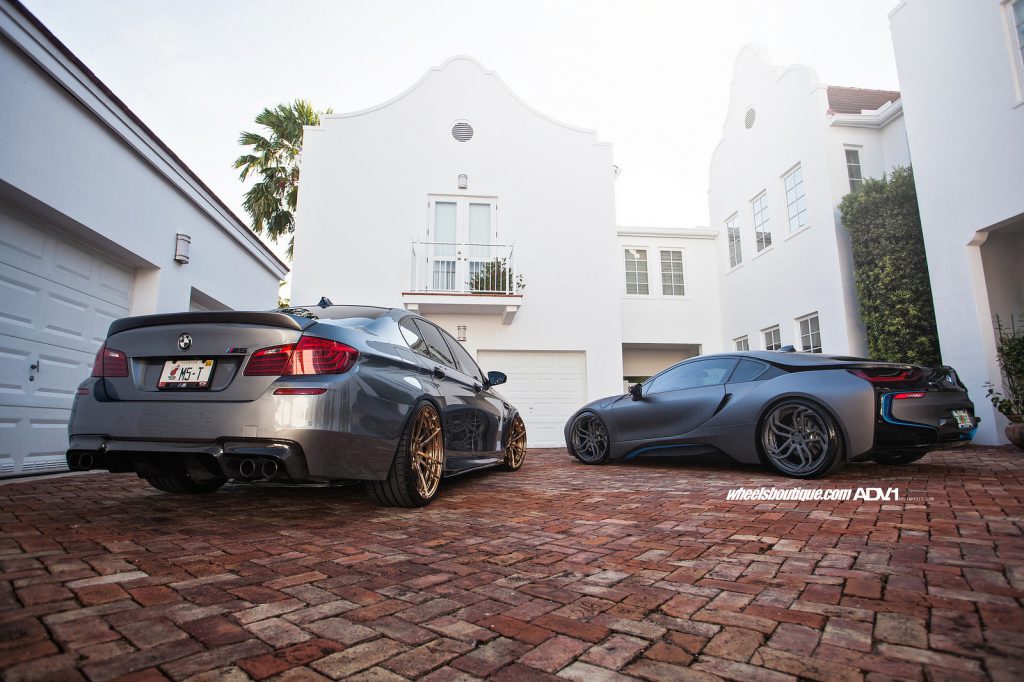
The automotive world often debates the merits of performance and efficiency, and two iconic models epitomize this clash: the BMW i8 and the Porsche 911. Both vehicles represent the pinnacle of their respective brands, showcasing advanced engineering, distinctive designs, and exhilarating driving experiences.
When examining the competition between these two legends, it’s essential to consider their unique characteristics and what they offer to enthusiasts. In the contest of **BMW i8 vs. Porsche 911**, the differences in technology, performance, and driving dynamics bring to light the diverse philosophies of BMW and Porsche, making this comparison not only intriguing but also essential for potential buyers.
BMW i8 vs. Porsche 911: A Comprehensive Comparison of Sports Car Excellence
In the realm of high-performance sports cars, the BMW i8 and Porsche 911 stand as formidable contenders, each with a unique approach to automotive excellence. The i8, with its hybrid powertrain, emphasizes a blend of efficiency and thrilling performance, while the 911 continues to evolve as a benchmark for traditional sports car dynamics, focusing on raw power and precision handling. This distinctive separation highlights the varying philosophies of their manufacturers.
When it comes to performance specifications, the comparison becomes even more captivating. The i8 boasts a combined output of approximately 369 horsepower, achieving 0-60 mph in about 4.2 seconds, thanks to its innovative plug-in hybrid technology. In contrast, the 911, particularly in its base Carrera variant, delivers around 379 horsepower and can sprint from 0-60 mph in just 4.0 seconds, showcasing Porsche’s commitment to performance. Below is a summary of their key specifications:
| Model | Horsepower | 0-60 mph Time |
|---|---|---|
| BMW i8 | 369 hp | 4.2 seconds |
| Porsche 911 | 379 hp | 4.0 seconds |
In terms of technology and design, the i8 integrates futuristic aesthetics with advanced hybrid systems, making it a head-turner on the road. Conversely, the 911 remains true to its classic roots while incorporating cutting-edge technology that enhances driving performance and driver engagement. Both vehicles offer unique features that cater to different types of driving enthusiasts, ensuring that the BMW i8 vs. Porsche 911 comparison remains a compelling discussion for those in pursuit of sports car excellence.
Performance Metrics: How the BMW i8 Stacks Up Against the Porsche 911
When it comes to performance metrics, the BMW i8 and Porsche 911 showcase distinct capabilities that cater to different driving philosophies. The i8’s hybrid powertrain not only focuses on delivering a respectable horsepower but also emphasizes efficiency and reduced emissions. Conversely, the 911 is all about sheer power and agility, providing a more traditional sports car experience that has been fine-tuned over decades.
To further highlight their performance capabilities, it’s essential to consider several key metrics beyond just horsepower and acceleration times, which include:
- Torque: The i8 generates around 320 lb-ft, while the 911 offers approximately 331 lb-ft, contributing to the 911’s more immediate power delivery.
- Top Speed: The i8 reaches a top speed of around 155 mph, whereas the 911 can exceed 180 mph in various configurations, emphasizing its high-performance nature.
- Driving Modes: The i8 features multiple driving modes that enhance efficiency, while the 911 offers various setups for track-ready performance.
In practical driving scenarios, the Porsche 911 often excels in cornering and high-speed stability, thanks to its rear-engine layout and refined suspension. However, the i8 provides a unique blend of sports car excitement with the capability of electric-only driving for short distances, appealing to those who prioritize eco-friendliness alongside performance. This unique trait makes the i8 a versatile choice for both daily driving and spirited outings.
Ultimately, the BMW i8 vs. Porsche 911 performance metrics underline a broader discussion on what it means to be a sports car in today’s automotive landscape. While the i8 leans towards innovation and efficiency, the 911 embodies tradition and performance excellence, ensuring that enthusiast preferences will heavily influence their choice between these two remarkable vehicles.
Design Philosophy: BMW i8 vs. Porsche 911 Aesthetics and Engineering
The design philosophy behind the BMW i8 and Porsche 911 reflects their respective brands’ identities, showcasing distinct aesthetics and engineering approaches. The i8, with its futuristic shape and innovative use of materials, emphasizes sustainability and modernity. In contrast, the 911 draws on classic design cues while integrating contemporary technology, representing a seamless blend of heritage and innovation.
The engineering of both vehicles further highlights their unique philosophies. The i8’s hybrid powertrain not only enhances performance but also prioritizes efficiency through its lightweight carbon-fiber construction. Meanwhile, the 911’s rear-engine layout optimizes weight distribution and enhances driving dynamics, allowing for precise handling and a thrilling driving experience.
- BMW i8:
- Futuristic design with aerodynamic lines
- Use of sustainable materials
- Hybrid powertrain focusing on efficiency
- Porsche 911:
- Iconic silhouette with timeless appeal
- Advanced engineering with a rear-engine layout
- Emphasis on raw power and driving pleasure
In conclusion, the BMW i8 vs. Porsche 911 discussion not only encompasses performance metrics but also dives deep into their respective design philosophies. While the i8 champions a modern, eco-friendly approach, the 911 stands as a testament to traditional sports car excellence, offering a unique driving experience shaped by decades of engineering refinement.
Fuel Efficiency and Sustainability: The BMW i8’s Eco-Friendly Edge Over the 911
In the realm of fuel efficiency and sustainability, the BMW i8 clearly stands out with its innovative hybrid technology. By combining a petrol engine with an electric motor, the i8 offers an impressive fuel economy, achieving approximately 76 mpg in combined driving conditions. This exceptional efficiency not only allows for reduced fuel costs but also significantly lowers carbon emissions, making it a more environmentally friendly choice compared to traditional sports cars.
On the other hand, the Porsche 911 models, while renowned for their performance, fall short in the eco-friendly department. With a focus on power and speed, the 911 typically achieves around 20 mpg in city driving and about 30 mpg on the highway. This stark contrast in fuel efficiency underscores the i8’s commitment to sustainability, appealing to environmentally conscious drivers without sacrificing the thrill of driving.
Moreover, the BMW i8 incorporates advanced materials and engineering techniques to enhance its sustainability. Key features include:
- Lightweight construction: The use of carbon fiber and aluminum reduces overall weight, improving efficiency.
- Regenerative braking: This system helps recharge the battery during deceleration, maximizing energy use.
- Electric-only mode: The ability to drive short distances on electric power alone further minimizes fuel consumption.
In summary, when comparing fuel efficiency and sustainability, the BMW i8 emerges as a leader, showcasing a commitment to eco-friendly driving that the Porsche 911 cannot match. For those prioritizing environmental responsibility alongside performance, the i8 represents a forward-thinking choice in the sports car segment.
Tech Innovations: Cutting-Edge Features in the BMW i8 and Porsche 911
When it comes to tech innovations, the BMW i8 stands out with its advanced hybrid system that not only enhances performance but also maximizes efficiency. The i8 features a sophisticated energy management system that intelligently distributes power between its petrol engine and electric motor, allowing drivers to experience thrilling acceleration while maintaining impressive fuel economy. Additionally, the integration of a heads-up display provides crucial driving information directly onto the windshield, enhancing driver awareness and safety.
On the other hand, the Porsche 911 is equipped with a range of cutting-edge features that emphasize driving engagement and performance. One notable innovation is the Porsche Active Suspension Management (PASM), which allows drivers to tailor the car’s suspension settings for various driving conditions. Furthermore, the 911 incorporates a state-of-the-art infotainment system with connectivity options that enable seamless integration with smartphones, keeping drivers connected while on the road.
Both models excel in driver assistance technologies as well. The i8 offers features such as Parking Assistant and Adaptive Cruise Control, enhancing convenience and safety during everyday driving. Meanwhile, the 911 offers Porsche’s Traction Management System, which optimizes power delivery to enhance cornering performance and stability. This focus on driver-centric technology reaffirms the distinct approaches each manufacturer takes in redefining the sports car experience.
In summary, the tech innovations present in the BMW i8 and Porsche 911 reflect their respective philosophies: the i8 combines sustainability with advanced hybrid technology, while the 911 embodies high-performance features that engage drivers. These innovations not only enhance their performance metrics but also shape the overall driving experience, making the comparison between these two sports car icons all the more fascinating.
Price Analysis: Value for Money in the BMW i8 vs. Porsche 911 Debate
In the price analysis of the BMW i8 and Porsche 911, potential buyers must evaluate not just the initial cost but also the overall value for money each vehicle provides. The i8 typically starts at a higher price point, reflecting its advanced hybrid technology and futuristic design. However, this initial investment can be justified by its superior fuel efficiency and lower long-term running costs. Conversely, the 911, while less expensive to purchase, offers a more traditional sports car experience with a lower depreciation rate, making it a compelling option for enthusiasts.
When comparing pricing strategies, several key factors come into play:
- Base Price: The BMW i8 starts at around $147,500, whereas the Porsche 911 has a base starting price of approximately $101,200.
- Resale Value: The Porsche 911 historically retains its value better than most luxury sports cars, often fetching higher resale prices.
- Insurance Costs: Insurance premiums for the i8 can be higher due to its advanced technology, while the 911 may benefit from a broader range of insurance options.
Additionally, owning a BMW i8 comes with unique ownership perks, such as access to specialized driving events and eco-friendly incentives. However, the Porsche 911 is steeped in a rich motorsport heritage, which can add to its allure and justify its cost. Ultimately, the decision comes down to whether the buyer values cutting-edge hybrid technology or the traditional performance and prestige that the 911 embodies.
In conclusion, the value for money debate between the BMW i8 and Porsche 911 hinges on personal preferences. Buyers must weigh the i8’s focus on sustainability and innovation against the 911’s performance pedigree and resale value. As both models offer distinct advantages, understanding these pricing dynamics is crucial for making an informed decision in the luxury sports car market.
No te pierdas: