The automotive world often pits iconic models against each other, showcasing advancements in technology, design, and performance. In this landscape, the battle between the 2015 Audi R8 and the BMW i8 stands out as a captivating comparison of two distinct philosophies in high-performance vehicles.
In this analysis, we will delve into the nuances of the supercar experience with the **2015 Audi R8 vs. BMW i8**, examining how each car embodies its manufacturer’s vision. The R8 boasts a powerful V10 engine and a traditional supercar aesthetic, while the i8 introduces a futuristic hybrid approach, redefining what performance can mean in the modern era.
Performance Comparison: 2015 Audi R8 vs. BMW i8
When comparing the performance of the 2015 Audi R8 and the BMW i8, several key factors come into play. The Audi R8, with its naturally aspirated 5.2-liter V10 engine, delivers exhilarating power, producing up to 610 horsepower in the V10 Plus variant. In contrast, the BMW i8 features a unique plug-in hybrid system that combines a 1.5-liter three-cylinder gasoline engine with an electric motor, yielding a combined output of 369 horsepower. This fundamental difference in powertrain design signifies two distinct approaches to performance.
Acceleration is a critical aspect of performance comparisons. The Audi R8 can sprint from 0 to 60 mph in just 3.2 seconds, showcasing its supercar capabilities. Meanwhile, the BMW i8, although slower in terms of raw speed, achieves 0 to 60 mph in approximately 4.2 seconds. This highlights the i8’s emphasis on efficiency without sacrificing too much on performance. Below is a summary of their acceleration capabilities:
- Audi R8: 0-60 mph in 3.2 seconds
- BMW i8: 0-60 mph in 4.2 seconds
Handling and driving dynamics also play a significant role in the performance profiles of these vehicles. The R8 features a Quattro all-wheel-drive system, ensuring superior traction and stability, especially in challenging conditions. On the other hand, the i8 utilizes a rear-wheel-drive layout complemented by an electric front axle, providing a balanced and agile driving experience. Both cars excel in their own right, catering to different driving preferences:
- Audi R8: Superior grip and control with Quattro AWD
- BMW i8: Agile handling with an emphasis on eco-friendly performance
Design Aesthetics: 2015 Audi R8 and BMW i8
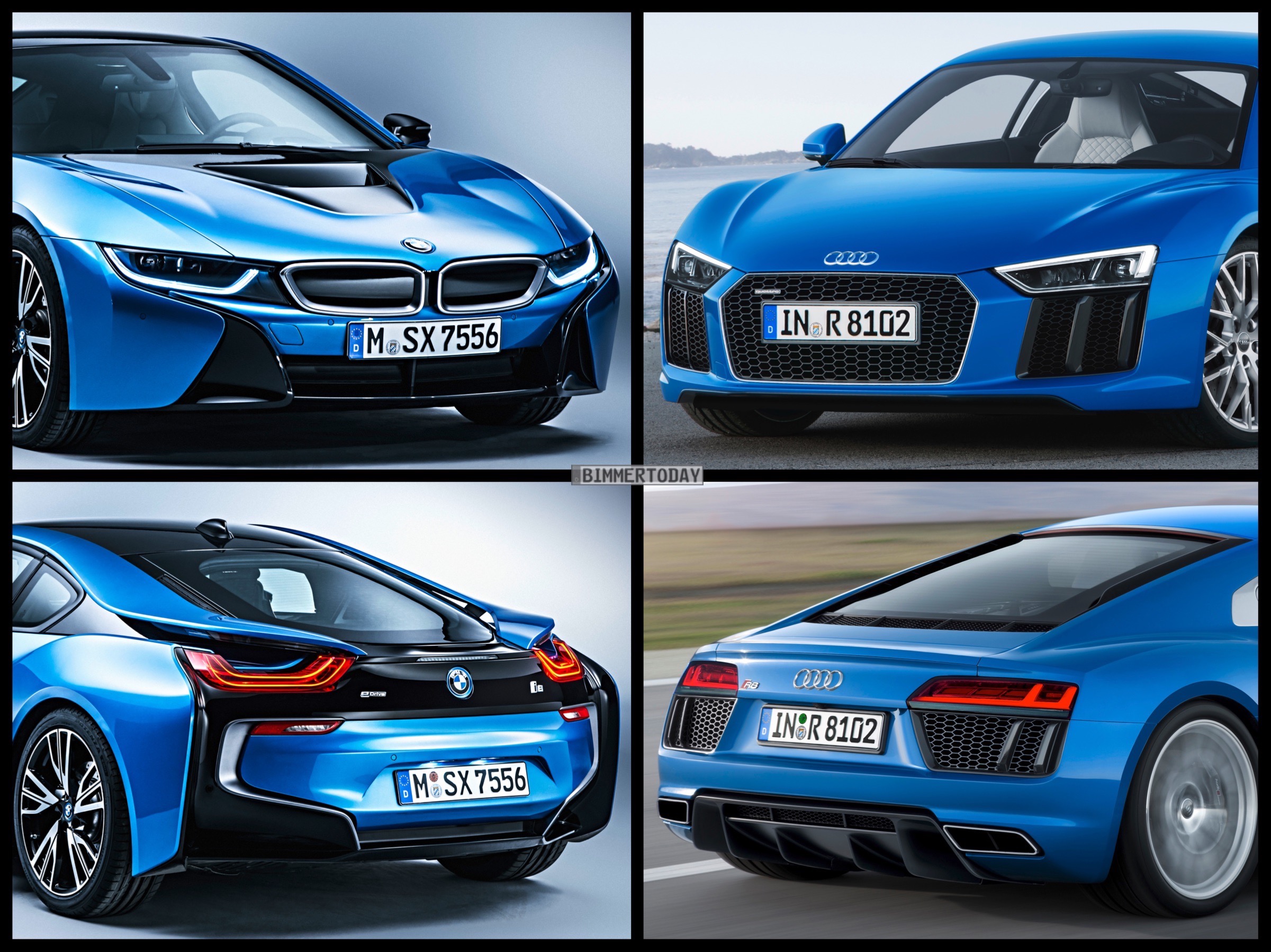
The design aesthetics of the 2015 Audi R8 and BMW i8 reveal two distinct approaches to high-performance vehicles. The R8 features a classic supercar silhouette characterized by sharp angles and a low, aggressive stance. Its sleek lines and signature LED headlights create a bold presence on the road, embodying the essence of traditional luxury sports cars.
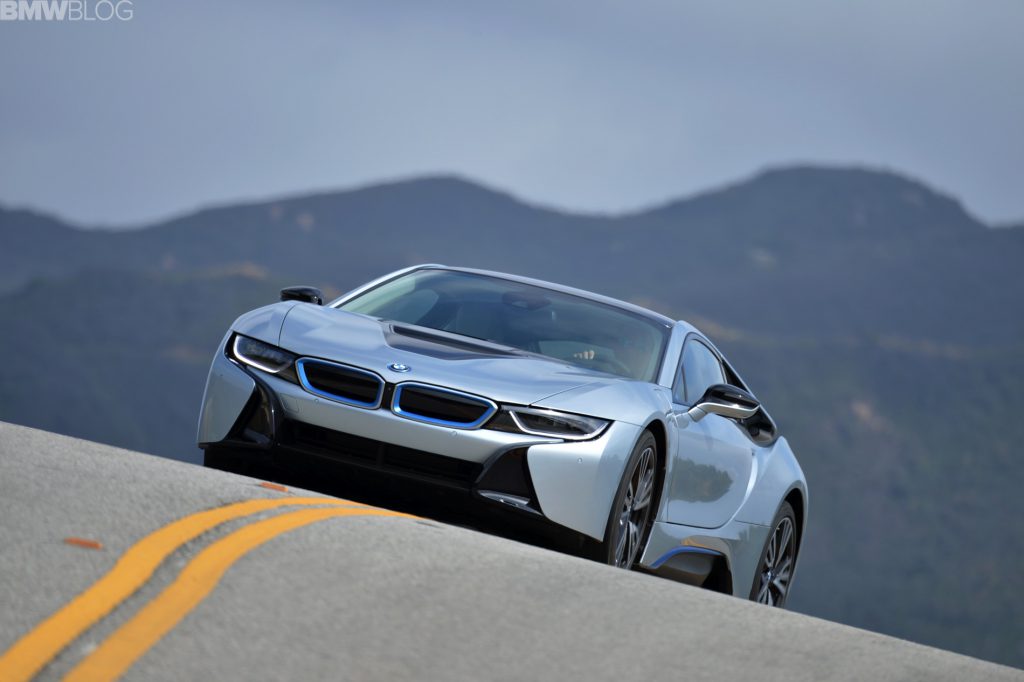
In contrast, the BMW i8 embraces a more futuristic design. It showcases a unique and innovative structure with its scissor doors and sculptural body, which highlight its hybrid nature. This car’s aerodynamic shape is not only visually striking but also functional, enhancing its efficiency and performance. The use of sustainable materials further emphasizes BMW’s commitment to eco-friendly design.
Both vehicles boast distinctive features that cater to different tastes. Here’s a quick comparison of their design elements:
- Audi R8: Traditional supercar aesthetic, aggressive lines, and luxury finishes.
- BMW i8: Futuristic look, innovative door design, and eco-friendly materials.
Ultimately, the choice between the Audi R8 and BMW i8 comes down to personal preference regarding design philosophy. While the R8 exudes a sense of timeless elegance and performance heritage, the i8 represents a pioneering vision of the future. Each car not only reflects the brand’s identity but also appeals to differing ideals of what a high-performance vehicle can be.
Price Analysis: Is the 2015 Audi R8 Worth it Compared to BMW i8?
When considering the pricing of the 2015 Audi R8 and BMW i8, potential buyers should evaluate the overall value each vehicle offers. The Audi R8 typically starts at a higher base price, reflecting its performance capabilities and luxury features. In contrast, the BMW i8, while also premium, is priced as a hybrid sports car with a focus on efficiency. This price disparity raises the question: is the R8’s performance worth the extra cost?
To better understand the price points, let’s take a look at the typical costs associated with each model:
- 2015 Audi R8: Average starting price around $165,000
- BMW i8: Average starting price around $143,000
While the Audi R8 offers superior power and a thrilling driving experience, the BMW i8 presents a unique proposition with its hybrid efficiency and futuristic design. Buyers interested in long-term fuel savings and eco-friendliness might find the i8 more appealing despite its lower horsepower. It’s essential to consider additional ownership costs such as insurance, maintenance, and potential fuel savings when making a decision.
In conclusion, the choice between the 2015 Audi R8 and BMW i8 ultimately depends on individual preferences and priorities. If performance and luxury take precedence, the R8 may justify its higher price. However, for those seeking a blend of innovation and efficiency, the i8 represents a compelling alternative. A thorough analysis of both models’ pricing and features can help prospective buyers make an informed choice that aligns with their automotive aspirations.
Technology Features: Innovations in the 2015 Audi R8 and BMW i8
When it comes to technological advancements, the 2015 Audi R8 and the BMW i8 showcase unique features that reflect their respective brand philosophies. The R8 integrates cutting-edge driver assistance systems, such as adaptive cruise control and a state-of-the-art infotainment system, which enhances the overall driving experience. This supercar also offers an optional virtual cockpit that displays crucial driving information directly in the driver’s field of view, merging performance with convenience.
On the other hand, the BMW i8 stands out with its hybrid technology, which combines a gasoline engine with an electric motor, emphasizing efficiency alongside performance. The i8 features an innovative energy management system that optimizes power delivery, allowing the vehicle to operate in electric-only mode for short distances. This technology not only enhances fuel efficiency but also aligns with modern eco-conscious values:
- Electric Mode: Allows for short trips without emissions.
- Regenerative Braking: Converts kinetic energy into electricity to recharge the battery.
Both vehicles also incorporate advanced connectivity features. The R8 includes Audi’s MMI system, which supports smartphone integration for seamless access to navigation and media. Meanwhile, the i8 offers a high-tech interface with touch-sensitive controls, making it intuitive and user-friendly. These innovations serve to enhance the driver experience, showcasing how both brands prioritize technology in their designs.
In summary, while the 2015 Audi R8 focuses on delivering high-performance luxury with integrated tech features, the BMW i8 pushes boundaries with its hybrid innovations and eco-friendly approach. Each model represents a distinct vision of how technology can redefine the driving experience in high-performance vehicles.
Fuel Efficiency Showdown: Audi R8 vs. BMW i8
When it comes to fuel efficiency, the 2015 Audi R8 and the BMW i8 present a stark contrast in their design philosophies. The R8, powered by a V10 engine, operates mainly on performance and power, leading to a fuel economy of approximately 13 mpg in the city and 20 mpg on the highway. This makes the R8 less favorable for those prioritizing fuel efficiency over exhilarating driving experiences.
In comparison, the BMW i8 shines with its hybrid technology, providing a more sustainable option without compromising too much on performance. The i8 boasts an impressive fuel economy of around 29 mpg in the city and 35 mpg on the highway, thanks to its efficient powertrain that utilizes both a gasoline engine and an electric motor. This efficiency highlights BMW’s commitment to a greener future in the realm of high-performance vehicles.
Moreover, the i8’s innovative features, such as regenerative braking and an electric-only mode for short trips, enhance its fuel efficiency even further. These technologies allow drivers to maximize mileage while contributing to reduced emissions. In contrast, the R8 offers a thrilling supercar experience, but the trade-off in fuel economy is a point to consider for environmentally conscious buyers.
In summary, the fuel efficiency showdown between the 2015 Audi R8 and the BMW i8 clearly favors the latter for those who value eco-friendliness. While the R8 remains a powerful contender for performance enthusiasts, the i8 stands as a testament to how hybrid technology is shaping the future of luxury sports cars, making it an attractive choice for a broader audience.
Driving Experience: What to Expect from 2015 Audi R8 and BMW i8
The driving experience in the 2015 Audi R8 is nothing short of exhilarating. With its naturally aspirated V10 engine, drivers can expect a visceral connection to the road, amplified by the car’s responsive steering and precise handling. The Quattro all-wheel-drive system provides exceptional traction, allowing enthusiasts to push the limits of performance, especially on winding roads. Furthermore, the car’s engine note creates an auditory delight that enhances the overall driving sensation.
In contrast, the BMW i8 offers a unique driving experience that fuses performance with sustainability. The hybrid powertrain delivers a smooth and quiet ride, making it suitable for both spirited driving and daily commutes. The dynamic driving modes allow drivers to switch between electric-only and hybrid modes, providing flexibility based on their needs. Additionally, the lightweight structure and low center of gravity contribute to an agile handling, making the i8 feel nimble and responsive around corners.
While both cars excel in their respective areas, their driving experiences cater to different preferences. Here’s a quick overview:
- Audi R8: Powerful V10 engine, thrilling sound, and superior grip.
- BMW i8: Hybrid efficiency, quiet operation, and innovative driving modes.
Ultimately, choosing between the 2015 Audi R8 and the BMW i8 boils down to what kind of driving experience one seeks. Whether it’s the raw power and excitement of the R8 or the innovative, eco-friendly approach of the i8, both vehicles promise a distinct adventure behind the wheel.
No te pierdas: