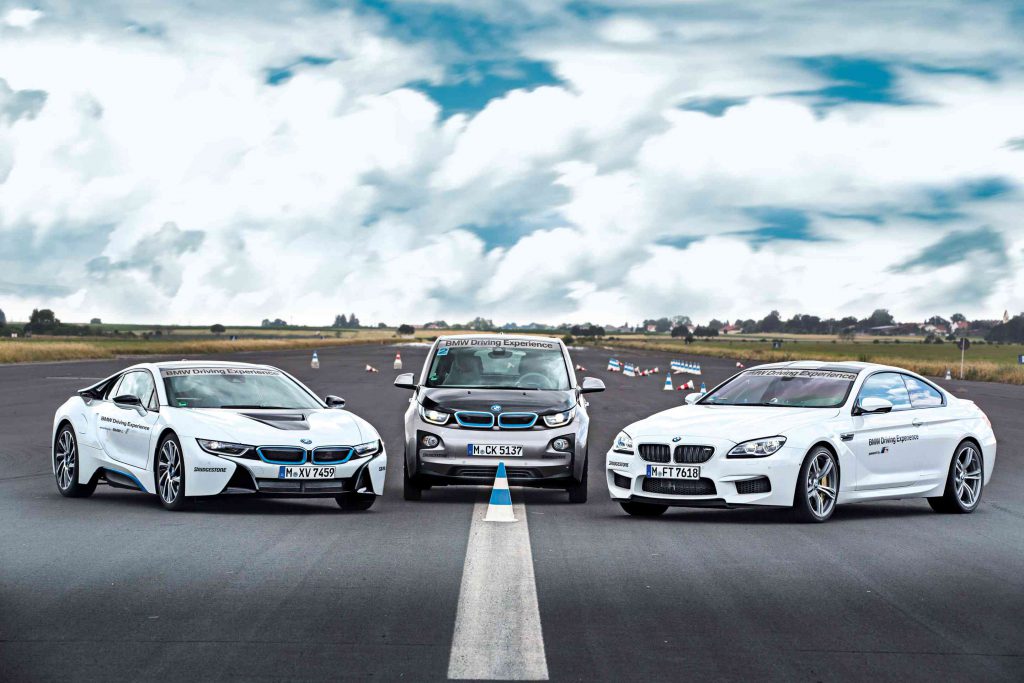
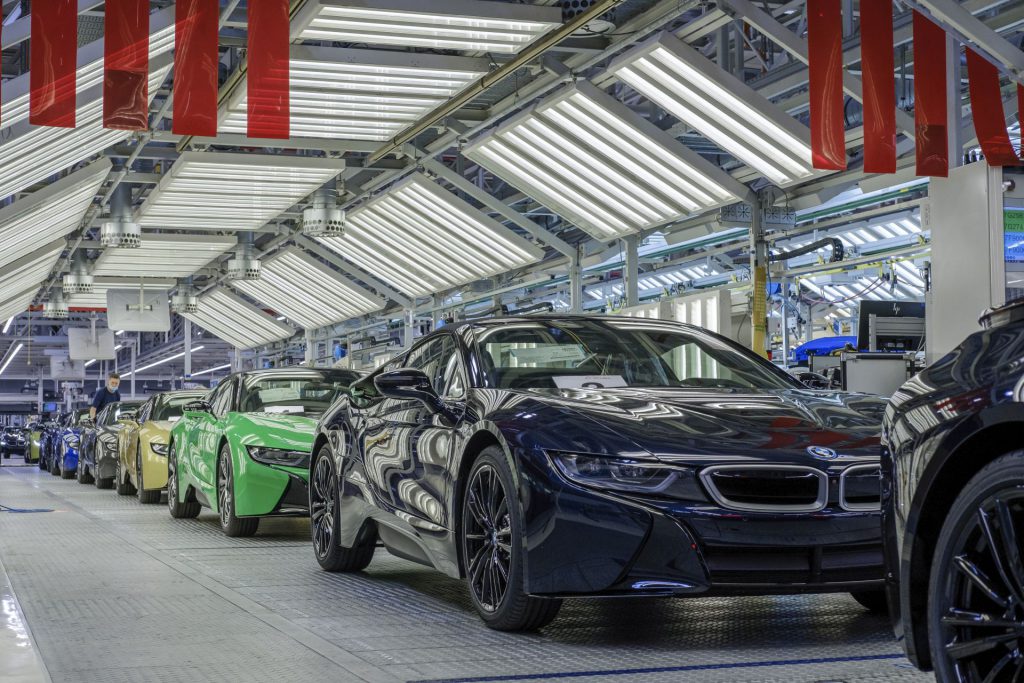
The automotive world is often captivated by the thrilling competition between high-performance vehicles, and two standout contenders are the 2015 Chevrolet Corvette Stingray and the BMW i8. Each car showcases unique engineering and design philosophies, making them popular choices among enthusiasts and casual drivers alike.
In this article, we will delve into the exciting dynamics of the **2015 Chevrolet Corvette Stingray vs BMW i8 Drag Race**, exploring their acceleration, speed, and overall performance on the track. By comparing these two remarkable machines, we aim to uncover which one reigns supreme in a head-to-head showdown.
2015 Chevrolet Corvette Stingray Performance vs BMW i8 Acceleration
The 2015 Chevrolet Corvette Stingray is renowned for its impressive performance, driven by a robust 6.2-liter V8 engine that generates an exhilarating 455 horsepower and 460 lb-ft of torque. This powerhouse allows the Stingray to accelerate from 0 to 60 mph in just around 3.8 seconds, showcasing its prowess on the drag strip. The lightweight construction and advanced aerodynamics contribute significantly to its agility and speed, making it a formidable competitor in any race.
On the other hand, the BMW i8 takes a different approach to performance with its hybrid powertrain, combining a turbocharged 1.5-liter three-cylinder engine with an electric motor. Together, they deliver a total output of 369 horsepower. This unique synergy allows the i8 to achieve 0 to 60 mph in approximately 4.2 seconds, emphasizing its efficiency and cutting-edge technology rather than raw power. The i8’s acceleration feels incredibly smooth, benefiting from the instant torque provided by the electric motor.
When comparing performance metrics, it’s essential to highlight the differences in their engineering philosophies. The following table summarizes key performance specifications:
| Vehicle | Engine | Horsepower | Torque | 0-60 mph |
|---|---|---|---|---|
| 2015 Chevrolet Corvette Stingray | 6.2L V8 | 455 hp | 460 lb-ft | 3.8 sec |
| BMW i8 | 1.5L Turbo + Electric | 369 hp | N/A | 4.2 sec |
Ultimately, the choice between the Corvette Stingray and the BMW i8 boils down to personal preference. The Stingray offers a more traditional, raw performance experience, while the i8 presents a modern, hybrid approach to acceleration and efficiency. Both vehicles excel in their respective domains, promising an exhilarating experience for any driver behind the wheel.
Key Features of the 2015 Chevrolet Corvette Stingray in a Drag Race
The 2015 Chevrolet Corvette Stingray is equipped with features that make it a standout performer in drag races. One of its most notable attributes is the powerful 6.2-liter V8 engine, which produces an impressive 455 horsepower and 460 lb-ft of torque. This engine configuration not only enhances acceleration but also provides a thrilling driving experience, especially when launching off the line.
Another key feature is the Magnetic Ride Control suspension system, which allows the Stingray to adapt to road conditions in real-time. This technology ensures optimal traction and stability during high-speed runs, making it easier to handle challenging drag strip scenarios. Additionally, the lightweight fiberglass body contributes to the car’s agility, further enhancing performance.
For enthusiasts looking for precision, the 7-speed manual transmission offers an engaging driving experience. Alternatively, the 6-speed automatic option with paddle shifters allows for quicker gear changes, which can be crucial during a drag race. The combination of these features enables the Corvette Stingray to achieve a 0-60 mph time of just 3.8 seconds, showcasing its rapid acceleration capabilities.
Lastly, the Stingray’s aerodynamic design plays a significant role in its drag racing performance. The car features a low drag coefficient, which minimizes air resistance at high speeds. This, combined with its powerful engine and intelligent suspension, positions the 2015 Chevrolet Corvette Stingray as a formidable competitor on the drag strip, making it a car that not only looks great but performs exceptionally well under pressure.
BMW i8: A Comprehensive Review of Its Drag Race Capabilities
The BMW i8 stands out in the drag racing scene with its unique hybrid powertrain, which combines a 1.5-liter turbocharged three-cylinder engine with an electric motor. This innovative setup not only optimizes fuel efficiency but also delivers instant torque, enabling quick launches off the line. The i8’s overall performance is characterized by a smooth and responsive acceleration, making it a captivating contender in any drag race.
In terms of weight distribution, the i8 boasts a low center of gravity due to its lightweight construction and carbon-fiber-reinforced plastic body. This design enhances stability and handling, especially during high-speed maneuvers. The following features further elevate the i8’s drag racing capabilities:
- High-Performance Braking System: Ensures quick stops and excellent control during races.
- Aerodynamic Profile: The sleek design contributes to reduced drag and improved speed.
- All-Wheel Drive: Provides enhanced traction and stability for optimal acceleration.
The BMW i8’s technological advancements also play a crucial role in its performance on the drag strip. With features like the Driving Experience Control, drivers can select different driving modes to tailor the vehicle’s response according to their preferences, whether it be for efficiency or performance. This adaptability allows the i8 to compete effectively against traditional sports cars, showcasing the potential of hybrid technology in the world of drag racing.
Ultimately, the BMW i8 proves that hybrid vehicles can hold their own in high-performance scenarios. With its combination of engineering innovation, instant power delivery, and agile handling, it positions itself as a worthy competitor on the drag strip, challenging the conventional notions of speed and performance.
Comparing the Power and Torque of the Corvette Stingray and BMW i8
When comparing the power and torque of the 2015 Chevrolet Corvette Stingray and the BMW i8, it’s evident that their engineering philosophies lead to distinct performance characteristics. The Stingray boasts a formidable 6.2-liter V8 engine, producing a staggering 455 horsepower and 460 lb-ft of torque. This robust output not only enhances acceleration but also provides an exhilarating driving experience, especially on the drag strip where raw power is crucial.
In contrast, the BMW i8 employs a hybrid powertrain that combines a 1.5-liter turbocharged three-cylinder engine with an electric motor, generating a total of 369 horsepower. While it doesn’t match the Stingray’s raw power, the i8’s electric motor offers immediate torque, allowing for swift launches and smooth acceleration. This unique hybrid setup emphasizes efficiency and technological innovation rather than sheer horsepower.
To provide a clearer perspective, here are some key specifications highlighting their power and torque differences:
- Corvette Stingray:
- Horsepower: 455 hp
- Torque: 460 lb-ft
- BMW i8:
- Horsepower: 369 hp
- Torque: N/A
Ultimately, the choice between these two vehicles hinges on what drivers prioritize in performance. The Stingray’s powerful V8 delivers an adrenaline-pumping experience, while the i8 offers a glimpse into the future of performance cars with its hybrid technology. Each car showcases its strengths, appealing to different preferences among automotive enthusiasts.
Drag Race Showdown: 2015 Chevrolet Corvette Stingray vs BMW i8
The drag race showdown between the 2015 Chevrolet Corvette Stingray and the BMW i8 is not just a contest of speed but also a fascinating clash of philosophies. The Corvette, with its traditional V8 engine, embodies the classic American muscle car spirit, while the i8 represents a modern twist on performance with its hybrid powertrain. This unique juxtaposition makes their head-to-head race particularly intriguing, as enthusiasts and casual fans alike wonder which approach will prevail on the drag strip.
In a straight-line race, the Corvette Stingray often takes the lead thanks to its raw power and aggressive acceleration. The lightweight design and optimal weight distribution allow for explosive launches, making it a favorite among traditionalists. Conversely, the BMW i8 impresses with its ability to deliver instant torque from its electric motor, proving that hybrid technology can be competitive in performance settings. This ability allows the i8 to keep pace, demonstrating that its innovative engineering is designed for excitement as much as efficiency.
Factors like aerodynamics significantly impact both cars during a drag race. The Stingray’s sleek silhouette reduces drag, enhancing its high-speed capabilities, while the i8’s aerodynamic profile functions similarly, maintaining stability at higher velocities. Additionally, the all-wheel drive system in the i8 provides exceptional grip, ensuring that it can effectively harness its power during launches. These features highlight how modern technology can elevate performance, making the i8 a formidable opponent to the Stingray’s brute force.
Ultimately, the drag race between the 2015 Chevrolet Corvette Stingray and the BMW i8 serves as a testament to the evolving nature of performance vehicles. Each car brings its unique strengths to the table, and while the Stingray may dominate in terms of horsepower, the i8 showcases the future of automotive performance with its innovative hybrid technology. This race is not just about speed; it’s about celebrating the diversity of engineering in the automotive world.
Which Car Wins? A Detailed Analysis of the Corvette Stingray and BMW i8 Drag Race
In the thrilling showdown between the 2015 Chevrolet Corvette Stingray and the BMW i8, the question of «Which car wins?» is deeply intertwined with their distinct engineering philosophies. The Corvette excels with its traditional muscle car attributes, featuring a robust V8 engine that delivers heart-pounding acceleration. In contrast, the BMW i8 showcases the potential of hybrid technology, blending a gasoline engine with electric power to offer a different kind of performance experience that emphasizes efficiency without sacrificing excitement.
Analyzing the drag race results, the Corvette Stingray often claims victory in straight-line speed due to its sheer horsepower and torque advantage. However, the i8’s immediate electric torque allows it to launch swiftly off the line, making initial acceleration surprisingly competitive. This aspect highlights the innovative engineering behind the i8, which aims to challenge conventional performance metrics, proving that hybrid vehicles can be both practical and thrilling on the drag strip.
Several key factors contribute to the outcomes of their races:
- Weight Distribution: The lightweight construction of the i8 enhances its handling and stability.
- Aerodynamics: Both cars excel in their design, minimizing drag and improving top speeds.
- Tire Grip: The all-wheel-drive system in the i8 offers superior traction during launches.
Ultimately, the race between the 2015 Chevrolet Corvette Stingray and the BMW i8 is a celebration of diversity in automotive design. The Stingray stands as a symbol of raw power and performance, while the i8 represents a forward-thinking approach to speed and efficiency. As enthusiasts continue to debate their merits, the real winner may just be the evolving excitement of the automotive landscape itself.
No te pierdas: El BMW Serie 7 de 2016 tendrá el genial llavero adelantado por el i8
 Los BMW i3 e i3s de 2018 brillan junto al i8 en el primer clip promocional
 El BMW i8 de 2018 podría tomar prestado el Safety Car