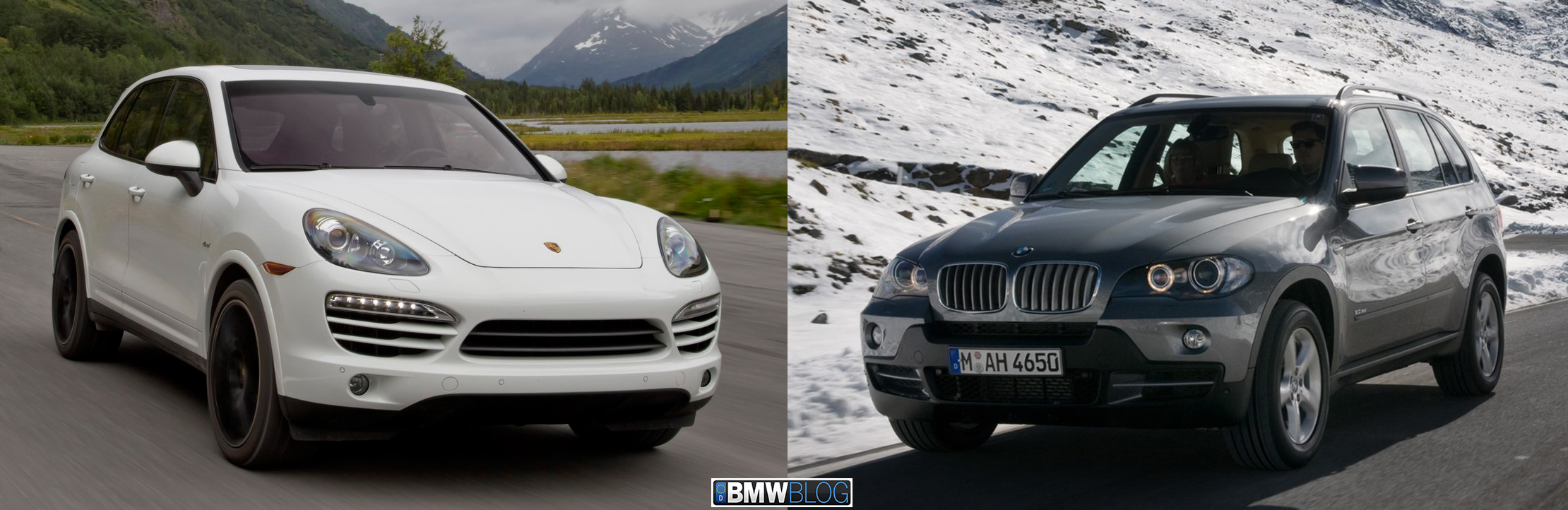
The luxury SUV market is fiercely competitive, with manufacturers constantly vying for the top spot in performance, comfort, and efficiency. In this context, the comparison of the 2012 BMW X5 35d and the 2013 Porsche Cayenne Diesel stands out, as both vehicles offer a unique blend of power and sophistication tailored to discerning drivers.
When evaluating the strengths and weaknesses of these two impressive models, it’s essential to consider their design, driving dynamics, and technological features. This analysis of 2012 BMW X5 35d vs. 2013 Porsche Cayenne Diesel will explore what sets them apart and help buyers make an informed decision in the luxury SUV segment.
2012 BMW X5 35d Performance Review: Diesel Power Compared to Porsche Cayenne
The 2012 BMW X5 35d is renowned for its robust performance, driven by a powerful 3.0-liter inline-six diesel engine that delivers an impressive 265 horsepower and 425 lb-ft of torque. This engine allows the X5 to accelerate smoothly, making it a formidable contender in the luxury SUV segment. With an 0-60 mph time of approximately 7 seconds, it competes well against peers like the 2013 Porsche Cayenne Diesel, which is also known for its dynamic capabilities.
In terms of handling, the X5 35d features a sophisticated suspension system that provides a balanced ride, allowing drivers to enjoy both comfort and agility. The vehicle’s All-Wheel Drive system enhances traction and stability, particularly in challenging weather conditions. This aspect is crucial for those looking for a dependable SUV that can tackle various terrains without compromising on luxury.
When comparing towing capacities and fuel efficiency, the BMW X5 35d excels with a maximum towing capacity of 6,000 pounds, making it suitable for outdoor enthusiasts. Additionally, it achieves a respectable 26 mpg on the highway, which is competitive in its class. Here’s a quick comparison of key performance metrics between the two vehicles:
| Feature | 2012 BMW X5 35d | 2013 Porsche Cayenne Diesel |
|---|---|---|
| Horsepower | 265 hp | 240 hp |
| Torque | 425 lb-ft | 405 lb-ft |
| 0-60 mph | ~7 seconds | ~7.2 seconds |
| Towing Capacity | 6,000 lbs | 7,700 lbs |
| Fuel Efficiency | 26 mpg highway | 28 mpg highway |
Overall, the 2012 BMW X5 35d offers a compelling mix of power, efficiency, and versatility, aligning well with luxury SUV expectations. Its performance-oriented features combined with BMW’s signature driving dynamics make it a worthy rival to the Porsche Cayenne Diesel, catering to those who prioritize diesel power without sacrificing luxury and comfort.
2013 Porsche Cayenne Diesel: Key Features and Specifications
The 2013 Porsche Cayenne Diesel stands out in the luxury SUV market with its exceptional performance and advanced technology. Powered by a 3.0-liter V6 diesel engine, it produces an impressive 240 horsepower and 405 lb-ft of torque. This setup allows the Cayenne Diesel to deliver a smooth power delivery, enhancing the overall driving experience while maintaining efficiency.
One of the key features of the Cayenne Diesel is its 8-speed automatic transmission, which contributes to its refined driving dynamics. The vehicle is equipped with Porsche Traction Management (PTM), an all-wheel-drive system that ensures optimal power distribution and enhances stability, particularly on challenging terrains. This technology is crucial for drivers seeking both performance and versatility in their luxury SUV.
Fuel efficiency is another strong suit of the 2013 Cayenne Diesel, as it achieves approximately 28 mpg on the highway. This efficiency does not come at the expense of performance, as it can accelerate from 0-60 mph in about 7.2 seconds, making it competitive with its peers. Below is a summary of some key specifications:
- Engine: 3.0-liter V6 Diesel
- Horsepower: 240 hp
- Torque: 405 lb-ft
- Transmission: 8-speed automatic
- Fuel Efficiency: 28 mpg highway
- 0-60 mph: Approximately 7.2 seconds
Overall, the 2013 Porsche Cayenne Diesel combines luxury, performance, and efficiency, appealing to those who appreciate both power and practicality in a high-end SUV. Its advanced features and specifications make it a noteworthy contender in the competitive luxury SUV landscape.
Fuel Efficiency Showdown: 2012 BMW X5 35d vs. 2013 Porsche Cayenne Diesel
In the realm of fuel efficiency, the 2012 BMW X5 35d and 2013 Porsche Cayenne Diesel present two distinct choices for luxury SUV enthusiasts. While both vehicles are built to deliver power and comfort, their fuel economy figures reveal key differences that could sway potential buyers. The X5 35d boasts an impressive 26 mpg on the highway, reflecting a balance between performance and efficiency, whereas the Cayenne Diesel leads slightly with 28 mpg, making it the more economical option for long-distance driving.
When assessing overall efficiency, it’s crucial to consider additional factors such as tank capacity and real-world driving conditions. Both SUVs cater to different lifestyles and preferences, and here’s a brief comparison of their fuel-related specifications:
| Feature | 2012 BMW X5 35d | 2013 Porsche Cayenne Diesel |
|---|---|---|
| Fuel Tank Capacity | 22.5 gallons | 26.4 gallons |
| Highway MPG | 26 mpg | 28 mpg |
| City MPG | 19 mpg | 20 mpg |
| Combined MPG | 22 mpg | 23 mpg |
Ultimately, the choice between the 2012 BMW X5 35d and the 2013 Porsche Cayenne Diesel hinges on individual priorities. If towing capacity and a strong torque figure are essential, the X5 35d stands out. However, for those seeking superior fuel efficiency and a refined driving experience, the Cayenne Diesel may be the more appealing option. Both vehicles exemplify the blend of luxury and performance that defines the modern SUV segment.
Luxury and Comfort: Comparing Interior Features of BMW X5 and Porsche Cayenne
When stepping inside the 2012 BMW X5 35d, drivers are greeted by a meticulously crafted interior that emphasizes both luxury and functionality. The spacious cabin is adorned with high-quality materials such as leather upholstery and genuine wood trim, providing an opulent feel. Additionally, the seating arrangement is designed for comfort, with ample legroom and supportive seats, making long journeys a pleasure.
In contrast, the 2013 Porsche Cayenne Diesel offers a sportier, yet equally luxurious interior. The dashboard features a driver-centric layout, complemented by premium materials that reflect Porsche’s commitment to quality. One standout aspect is its advanced infotainment system, which seamlessly integrates with mobile devices, offering enhanced connectivity on the go. The Cayenne also provides customizable ambient lighting, adding to its sophisticated ambiance.
Both vehicles prioritize comfort, yet they cater to different preferences. The X5 35d excels in its spaciousness, making it ideal for families or those who frequently travel with passengers. On the other hand, the Cayenne Diesel leans towards a performance-oriented experience, enhancing the driving feel with sport seats and a lower seating position. Here are some key interior features of each model:
- 2012 BMW X5 35d:
- Leather upholstery with wood trim
- Spacious cabin with ample legroom
- Heated front seats and optional rear-seat heating
- High-quality sound system with optional premium upgrades
- 2013 Porsche Cayenne Diesel:
- Driver-focused dashboard layout
- Sporty seating with high bolstering
- Advanced infotainment system with touch interface
- Customizable ambient lighting options
Ultimately, the choice between the X5 35d and the Cayenne Diesel comes down to personal preference in luxury and comfort. While both vehicles deliver an exceptional driving experience, their distinctive interior features cater to different lifestyles, ensuring that drivers find the perfect balance between elegance and functionality.
Safety Ratings and Reliability: A Deep Dive into BMW X5 35d and Porsche Cayenne Diesel
When examining the safety ratings of the 2012 BMW X5 35d and the 2013 Porsche Cayenne Diesel, both models demonstrate a commitment to passenger protection. The X5 35d has consistently earned high marks in crash tests, particularly from the National Highway Traffic Safety Administration (NHTSA) and the Insurance Institute for Highway Safety (IIHS). Its robust safety features include multiple airbags, stability control, and advanced braking systems, making it a reliable choice for families and safety-conscious drivers.
Conversely, the 2013 Porsche Cayenne Diesel also boasts excellent safety credentials, with similar accolades from the NHTSA and IIHS. The Cayenne is equipped with a suite of safety features such as adaptive cruise control, lane departure warning, and a rearview camera, providing an extra layer of security. Its solid construction and advanced materials contribute to its impressive crashworthiness, ensuring that occupants are well-protected in the event of an accident.
Reliability is another crucial factor for potential buyers. The BMW X5 35d enjoys a reputation for durability, although maintenance costs can be slightly higher than average due to its luxury status. Owners often report satisfaction with its long-term reliability, especially when regular service is upheld. In comparison, the Porsche Cayenne Diesel is similarly regarded as a dependable vehicle, but like many luxury SUVs, it may incur substantial repair expenses outside of warranty coverage.
Ultimately, both the 2012 BMW X5 35d and the 2013 Porsche Cayenne Diesel excel in safety and reliability, but they cater to different preferences. Buyers should weigh their priorities, considering aspects such as maintenance costs, available safety features, and personal driving needs to make an informed choice that meets their lifestyle demands.
Price Analysis: Cost of Ownership for the 2012 BMW X5 vs. 2013 Porsche Cayenne
When analyzing the cost of ownership for the 2012 BMW X5 35d and the 2013 Porsche Cayenne Diesel, several factors come into play that can significantly affect a buyer’s decision. Both vehicles, renowned for their luxury and performance, also come with distinct financial implications that need careful consideration. Notably, the initial purchase price, depreciation rates, and insurance costs are critical components of ownership expenses.
In terms of purchase price, the 2012 BMW X5 35d typically starts at a lower base price than the 2013 Porsche Cayenne Diesel. Buyers can expect to see a price range for the X5 around $30,000 to $35,000, while the Cayenne Diesel usually commands a premium, ranging from $40,000 to $55,000 depending on mileage and condition. Additional costs to consider include:
- Fuel Costs: The X5 achieves an estimated 26 mpg, while the Cayenne Diesel offers around 28 mpg.
- Maintenance Costs: Luxury SUVs tend to have higher upkeep; however, the X5 is often regarded for slightly lower maintenance expenses than the Cayenne.
- Insurance Premiums: The Cayenne’s higher initial cost typically results in steeper insurance premiums compared to the X5.
Depreciation is another aspect that impacts long-term ownership costs. Luxury SUVs tend to depreciate at a higher rate, particularly in the first few years. The BMW X5 35d generally holds its value relatively well, but the Porsche Cayenne Diesel tends to retain a higher percentage of its original price, thanks to its strong brand reputation and demand in the used market. Here’s a quick comparison of depreciation trends:
| Model | Depreciation After 3 Years | Depreciation After 5 Years |
|---|---|---|
| 2012 BMW X5 35d | Approximately 40% | Approximately 50% |
| 2013 Porsche Cayenne Diesel | Approximately 35% | Approximately 45% |
Overall, potential buyers should carefully evaluate these financial elements when considering the cost of ownership. The BMW X5 may appeal to those seeking a lower entry price, while the Porsche Cayenne Diesel might justify its premium with better long-term value retention and slightly higher fuel efficiency. Both vehicles provide a luxury experience, but understanding the financial landscape is crucial for a well-informed decision.
No te pierdas: