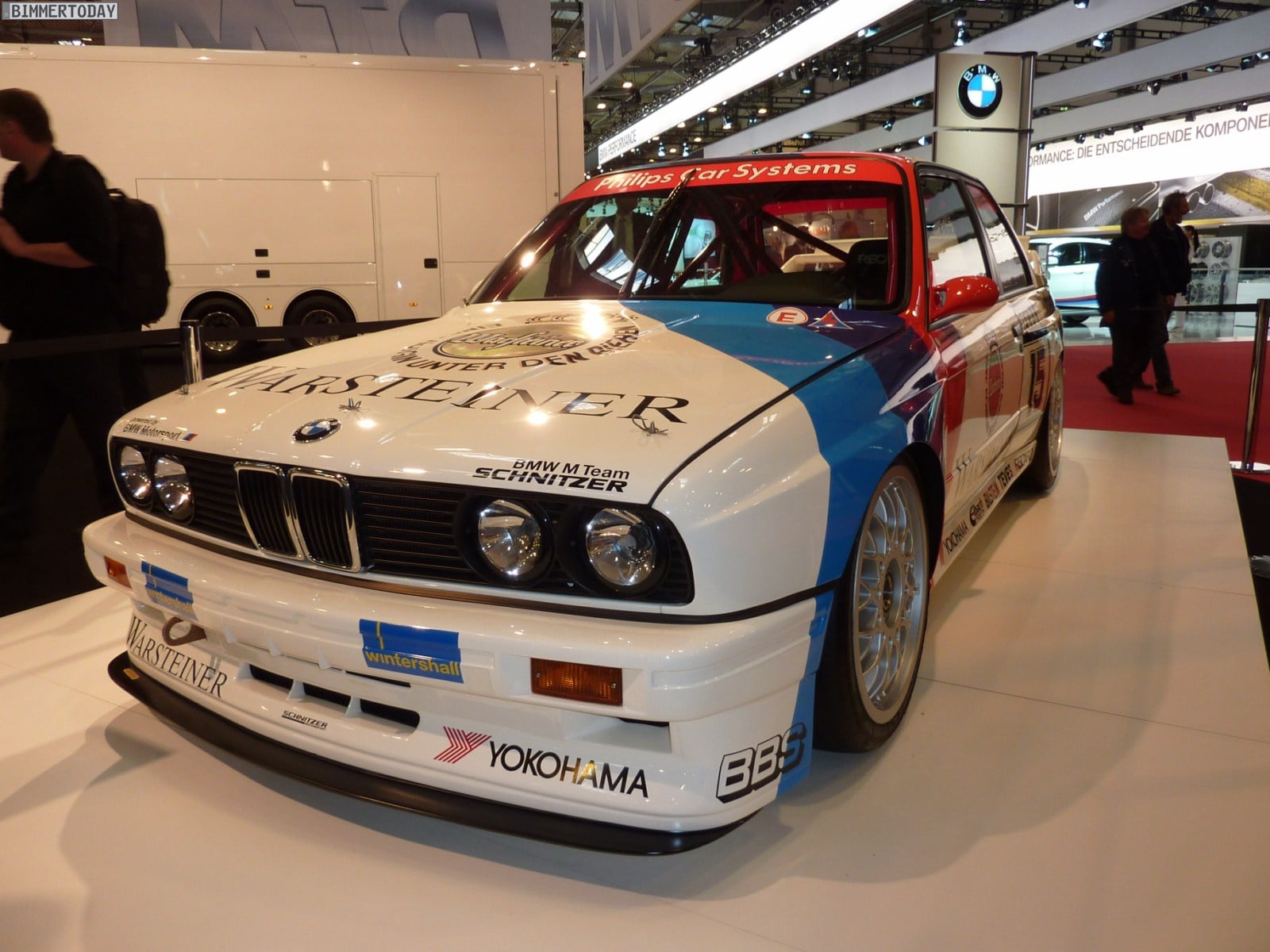
The 1992 BMW E30 M3 DTM stands as a legendary figure in the world of motorsport, showcasing the perfect blend of engineering and performance. This iconic racing car was specifically designed for the Deutsche Tourenwagen Meisterschaft (DTM), where it quickly gained fame for its agility and speed on the track.
With its powerful engine and lightweight chassis, the 1992 BMW E30 M3 DTM not only dominated races but also became a symbol of BMW’s commitment to motorsport excellence. Its distinctive design and advanced technology continue to captivate car enthusiasts and collectors alike, solidifying its place in automotive history.
The Legacy of the 1992 BMW E30 M3 DTM in Motorsport History
The legacy of the 1992 BMW E30 M3 DTM in motorsport history is not merely defined by its accolades on the race track but also by its profound impact on racing culture and engineering. This vehicle played a pivotal role in shaping the future of touring car racing, setting benchmarks for performance and design that many competitors aspired to achieve. Its achievements in the DTM series have made it a reference point in discussions about racing pedigree.
Throughout its racing career, the BMW E30 1992 showcased remarkable features that redefined expectations in motorsport, such as:
- Innovative aerodynamic enhancements that improved stability and speed.
- A robust 2.5-liter inline-four engine that delivered exceptional horsepower.
- A lightweight construction that maximized agility on various tracks.
This car’s influence extends beyond its racing successes; it has inspired a new generation of motorsport enthusiasts and engineers. The 1992 BMW E30 M3 DTM is often regarded as a blueprint for subsequent models, demonstrating how a balance of power, design, and technology can create a formidable racing machine. Its legacy is celebrated not just in racing circles, but also among car collectors, further solidifying its status as an icon.
In addition to its technical innovations, the E30 M3 DTM’s cultural significance is noteworthy. The car’s success has led to various commemorative events, books, and even documentaries, ensuring that the story of the BMW E30 1992 continues to inspire and resonate with fans around the world. The blend of engineering excellence and cultural impact has secured its place in the annals of motorsport history.
Key Features and Specifications of the 1992 BMW E30 M3 DTM
The 1992 BMW E30 M3 DTM is renowned for its impressive specifications that set it apart in the competitive world of motorsport. At the heart of this beast lies a robust 2.5-liter inline-four engine capable of producing approximately 325 horsepower, providing exceptional acceleration and speed on the track. This engine was engineered to meet the demanding requirements of DTM racing while maintaining a lightweight structure.
One of the standout features of the BMW E30 1992 model is its advanced aerodynamics, which include a distinctive front splitter and rear wing that offer enhanced downforce. These elements not only contribute to improved stability at high speeds but also enable agile handling around tight corners. The combination of these aerodynamic enhancements and a focus on weight reduction allows the car to excel in various racing conditions.
In terms of chassis and suspension, the E30 M3 DTM features a highly adjustable setup that allows teams to fine-tune the vehicle for different tracks and weather conditions. Key specifications include:
- Weight: Approximately 1,150 kg (2,535 lbs)
- Transmission: 6-speed sequential gearbox
- Brakes: Advanced disc brakes with racing calipers for optimal stopping power
The 1992 BMW E30 M3 DTM not only showcases cutting-edge technology and engineering but also embodies the spirit of competition. Its legacy continues to influence modern race car design, making it a benchmark for aspiring manufacturers and racing teams. This iconic vehicle remains a testament to BMW’s dedication to performance and innovation in the world of motorsport.
The Evolution of BMW M3: A Focus on the 1992 E30 DTM Model
The 1992 BMW E30 M3 DTM marked a significant milestone in the evolution of the M3 series, epitomizing BMW’s engineering brilliance and racing spirit. This model not only dominated the racetracks but also introduced groundbreaking technologies that would influence future iterations of the M3. It blended power and precision in a way that had never been seen before, setting new standards for performance vehicles.
One of the defining characteristics of the BMW E30 1992 model was its transformation for the DTM series, which involved extensive modifications from its road-going counterpart. Key changes included:
- Enhanced aerodynamics with modified bodywork for improved airflow.
- Weight reductions achieved through the use of lightweight materials.
- Increased engine output tailored for competitive racing conditions.
The racing success of the 1992 BMW E30 M3 DTM can be attributed to its cutting-edge technology and design ethos. It featured a highly sophisticated suspension system that allowed for greater adaptability on different tracks. Moreover, this model’s introduction of advanced telemetry systems provided teams with real-time data, enabling precise tuning and strategy adjustments during races.
Furthermore, the cultural impact of the BMW E30 1992 extends beyond its performance metrics. It has become a symbol of motorsport heritage, celebrated in various media and enthusiast circles. The blend of its racing pedigree with its everyday appeal has ensured that the E30 M3 remains a beloved classic, appealing to both racers and collectors alike, further cementing its legacy in automotive history.
Performance Comparison: 1992 BMW E30 M3 DTM vs. Its Competitors
When comparing the 1992 BMW E30 M3 DTM to its main competitors in the DTM series, it becomes evident that its engineering excellence set it apart. Rivals like the Mercedes-Benz 190 E 2.5-16 and the Audi V8 Quattro boasted impressive specifications but struggled to match the E30’s unique combination of lightweight construction and high power-to-weight ratio. This made the BMW not only fast but also exceptionally agile, allowing it to navigate tight corners with ease.
In terms of performance metrics, the BMW E30 1992 excelled with its robust 2.5-liter engine, producing around 325 horsepower. Competitors typically offered similar power outputs, yet the E30’s superior balance and aerodynamic enhancements provided a significant competitive edge. Key performance aspects included:
- Remarkable acceleration due to a well-tuned sequential transmission.
- Enhanced stability at high speeds, thanks to its innovative aerodynamic design.
- Responsive handling, making it a favorite among drivers during tight race scenarios.
The engineering philosophy behind the 1992 BMW E30 M3 DTM also focused on adaptability, allowing teams to adjust settings to suit various tracks. This versatility was a crucial factor in its success against rivals, as teams could fine-tune the chassis and suspension for optimal performance in differing conditions. In contrast, many competitors struggled with rigidity and responsiveness, which ultimately hindered their race-day performance.
Overall, the 1992 BMW E30 M3 DTM remains a benchmark in the touring car racing landscape, illustrating how a well-rounded package of power, agility, and advanced technology can lead to unparalleled success on the track. Even decades later, its legacy continues to influence modern racing designs and inspires a new generation of motorsport enthusiasts.
The Design Philosophy Behind the 1992 BMW E30 M3 DTM
The design philosophy behind the 1992 BMW E30 M3 DTM was rooted in the pursuit of performance and precision. This car was engineered with a clear focus on achieving a competitive edge in the Deutsche Tourenwagen Meisterschaft (DTM). Every aspect of its design, from the aerodynamic bodywork to the lightweight materials used in its construction, aimed to enhance speed and handling, ensuring that the BMW E30 1992 stood out on the race track.
One of the key elements of the design was the emphasis on aerodynamics. Engineers meticulously crafted the car’s exterior to reduce drag and increase downforce. Features such as the prominent front splitter and rear wing were incorporated to stabilize the vehicle at high speeds, allowing for unmatched agility in corners. This careful attention to aerodynamic details not only improved performance but also established new standards for race car design.
In addition to aerodynamics, the 1992 BMW E30 M3 DTM showcased a robust chassis developed for optimal stiffness while still being lightweight. This balance was crucial for enhancing the car’s responsiveness and driving dynamics, allowing drivers to feel more connected to the vehicle. Furthermore, the vehicle’s suspension system was designed to be highly adjustable, enabling teams to customize settings based on track conditions, which proved instrumental in its racing success.
Ultimately, the design philosophy of the BMW E30 1992 was about harmonizing engineering excellence with the demands of competitive racing. By focusing on a combination of power, precision, and adaptability, the E30 M3 DTM not only became a formidable force in motorsport but also set a precedent for future racing vehicles, highlighting BMW’s commitment to innovation and performance in the automotive industry.
Collectibility and Value Trends of the 1992 BMW E30 M3 DTM
The collectibility of the 1992 BMW E30 M3 DTM has surged in recent years, driven by its iconic status among car enthusiasts and collectors. Its unique blend of racing pedigree and engineering excellence has transformed it into a sought-after classic. Factors influencing its value include:
- Historical significance in DTM racing.
- Limited production numbers, making it rare.
- Strong community of enthusiasts and collectors.
As the demand for classic performance vehicles continues to grow, the BMW E30 1992 has seen a steady increase in value. Recent auction results indicate that well-preserved models can fetch impressive prices, often exceeding six figures. This trend reflects both nostalgia for the era and appreciation for the car’s engineering prowess. In comparison with other classic racing cars, the E30 M3 DTM remains one of the most desirable due to its unique attributes.
Market trends suggest that the 1992 BMW E30 M3 DTM not only holds its value well but also appreciates significantly over time. Factors contributing to this trend include:
- Increasing interest in vintage motorsport vehicles.
- Recognition of the model’s engineering innovations.
- Active participation in car shows and motorsport events, enhancing its visibility.
In conclusion, the 1992 BMW E30 M3 DTM stands as a shining example of a timeless classic that continues to captivate collectors. Its combination of performance, rarity, and cultural significance ensures that it will remain a valued asset in the automotive market for years to come. As collectors seek to add iconic models to their portfolios, the E30 M3 DTM is poised to maintain its status as a benchmark in the world of classic cars.
No te pierdas: