The automotive world is filled with exceptional vehicles that cater to various tastes and preferences. Among the standout models, the Range Rover Sport SVR, BMW i8, and Audi RS3 exemplify performance, luxury, and innovative design, each appealing to a different type of driver.
In this comparison, we will explore the unique features and capabilities of these three remarkable cars. The showdown of Range Rover Sport SVR vs BMW i8 vs Audi RS3 brings forth an intriguing discussion about power, efficiency, and technology, highlighting what makes each vehicle a contender in today’s competitive market.
Range Rover Sport SVR Performance Review: Power Meets Luxury
The Range Rover Sport SVR stands as a testament to the perfect blend of performance and luxury. Under its sleek exterior lies a powerful 5.0-liter supercharged V8 engine that delivers an astonishing 575 horsepower. This immense power enables the SUV to accelerate from 0 to 60 mph in just 4.3 seconds, making it one of the fastest luxury SUVs on the market today.
Incorporating advanced technology, the Range Rover Sport SVR features an adaptive air suspension system that enhances both comfort and handling. This system allows drivers to adjust the ride height and stiffness, ensuring a smooth ride on city streets and rugged terrains alike. The vehicle’s performance is further complemented by its high-performance brakes and Dynamic Response system, which provides exceptional cornering stability.
Moreover, the interior of the Range Rover Sport SVR is meticulously crafted with premium materials, showcasing a range of high-end features, including:
- Luxurious leather upholstery
- State-of-the-art infotainment system
- Spacious seating for up to five passengers
- Advanced safety technologies
In summary, the Range Rover Sport SVR excels in delivering a dynamic driving experience without compromising on luxury. Its powerful engine, sophisticated technology, and opulent interior make it a worthy contender in the realm of high-performance vehicles, proving that power truly meets luxury.
Comparative Analysis: BMW i8 vs Audi RS3 Performance Metrics
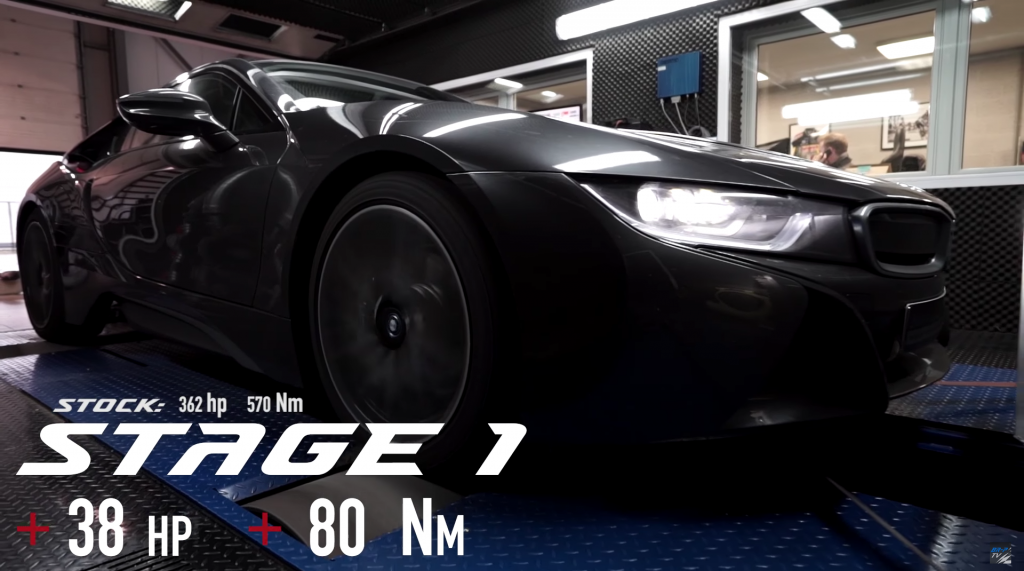
When comparing the BMW i8 and Audi RS3, performance metrics reveal distinct strengths that cater to different driving preferences. The BMW i8, a plug-in hybrid sports car, combines a 1.5-liter turbocharged engine with an electric motor, delivering a total output of 369 horsepower. This innovative powertrain allows the i8 to accelerate from 0 to 60 mph in just 4.2 seconds, emphasizing efficiency alongside speed.
In contrast, the Audi RS3 boasts a more traditional performance approach with its 2.5-liter turbocharged inline-five engine, generating an impressive 394 horsepower. This powerhouse enables the RS3 to reach 60 mph in approximately 3.8 seconds, making it one of the quickest compact cars available. The differences in acceleration times highlight the RS3’s raw power and focused performance.
To further illustrate the performance differences, here’s a comparative table:
| Metric | BMW i8 | Audi RS3 |
|---|---|---|
| Engine Type | Hybrid (Gas + Electric) | Turbocharged Inline-5 |
| Total Horsepower | 369 hp | 394 hp |
| 0-60 mph | 4.2 seconds | 3.8 seconds |
| Fuel Efficiency | 76 MPGe (Combined) | 22 MPG (Combined) |
While the BMW i8 emphasizes a balance of eco-friendliness and performance metrics, the Audi RS3 focuses on exhilarating speed and driving dynamics. Each vehicle offers a unique experience, appealing to enthusiasts who prioritize either innovative technology or pure power on the road.
Design and Aesthetics: How Range Rover Sport SVR Stands Out
The Range Rover Sport SVR commands attention with its striking design, characterized by a muscular stance and bold lines that convey power and elegance. This model features an athletic silhouette, enhanced by aerodynamic elements that not only improve performance but also grant it an unmistakable presence on the road. The aggressive front grille and signature LED headlights further accentuate its dynamic aesthetic, making it a true standout in the luxury SUV market.
One of the most captivating aspects of the Range Rover Sport SVR is its bespoke color palette and customization options. Buyers can select from a variety of vibrant finishes, ensuring that each vehicle reflects the owner’s personality. Notable design features include:
- Carbon fiber accents that enhance both style and weight efficiency
- Sport-tuned exhaust outlets for a more aggressive look
- 19-inch wheels as standard, with options for larger sizes
- Signature SVR badging that signifies its high-performance lineage
The interior of the Range Rover Sport SVR complements its exterior with a luxurious design that prioritizes both comfort and technology. Premium materials, such as leather and wood, create an inviting atmosphere, while high-tech features like the touchscreen infotainment system ensure that modern connectivity is always at your fingertips. With spacious seating and customizable ambient lighting, the interior is designed to provide an exceptional experience for both driver and passengers.
In summary, the Range Rover Sport SVR stands out in the competitive landscape of luxury SUVs through its combination of bold aesthetics, advanced materials, and unparalleled comfort. Its design philosophy marries performance with elegance, making it a vehicle that not only performs exceptionally but also captivates the eye wherever it goes.
Sustainability in Luxury: The BMW i8’s Eco-Friendly Features
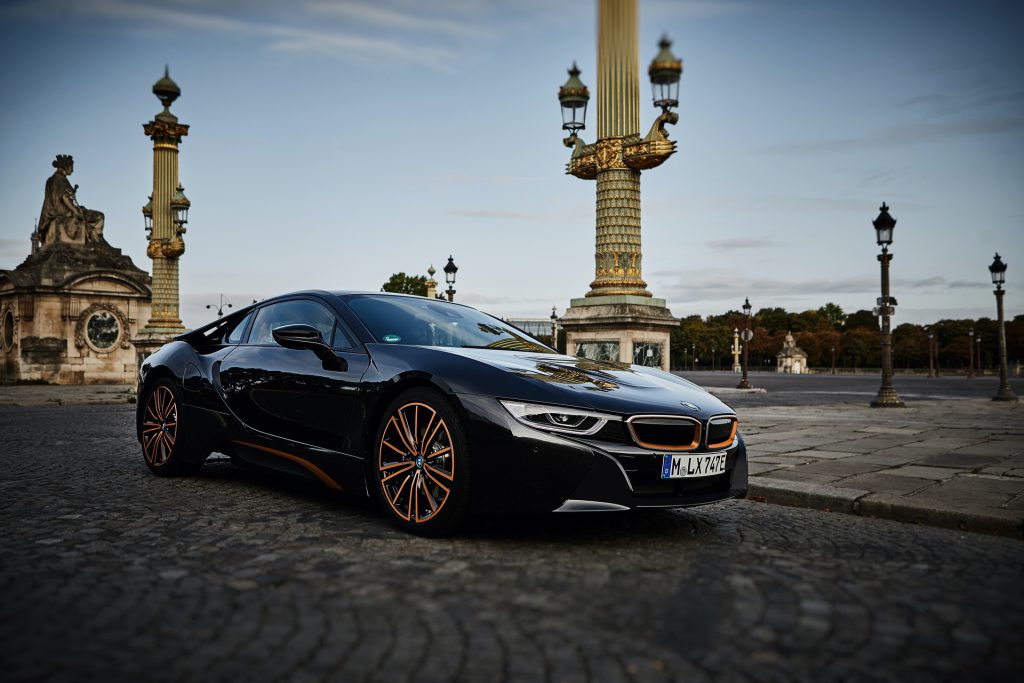
The BMW i8 is a remarkable example of how sustainability can be integrated into luxury automotive design. This plug-in hybrid sports car not only offers exhilarating performance but also emphasizes eco-friendly features that appeal to environmentally conscious consumers. With its sleek lines and futuristic design, the i8 represents a new era in the luxury car market, where sustainability is no longer an afterthought but a core element of innovation.
One of the i8’s standout eco-friendly features is its hybrid powertrain, which combines a turbocharged gasoline engine with an electric motor. This configuration allows the i8 to achieve impressive fuel efficiency, with a combined rating of up to 76 MPGe. In addition to its efficiency, the electric-only range of around 15 miles allows drivers to complete short trips without consuming any gasoline, reflecting a commitment to reducing carbon footprints.
Furthermore, the BMW i8 employs sustainable materials throughout its construction. The interior features ethically sourced leather, recycled plastics, and lightweight materials that contribute to overall performance while minimizing environmental impact. Key sustainable aspects include:
- Use of carbon fiber-reinforced plastic for a stronger, lighter structure
- Natural, sustainable materials in the cabin for an eco-friendly ambiance
- Innovative energy recovery systems that enhance efficiency during driving
In essence, the BMW i8 merges luxury and sustainability, proving that high-performance vehicles can coexist with environmentally responsible practices. This model not only offers thrilling driving experiences but also sets a standard for future luxury cars, illustrating that sustainability and style can indeed go hand in hand.
Driving Experience: Audi RS3 Performance on the Road
The Audi RS3 delivers an exhilarating driving experience that is hard to match in the compact performance car segment. Equipped with a robust 2.5-liter turbocharged inline-five engine, the RS3 produces a remarkable 394 horsepower and 354 lb-ft of torque, allowing it to accelerate from 0 to 60 mph in just 3.8 seconds. This rapid acceleration is complemented by its quattro all-wheel-drive system, which provides exceptional traction and stability, enhancing the car’s performance on both wet and dry roads.
The driving dynamics of the Audi RS3 are further refined by its adaptive suspension system, which allows drivers to customize the ride quality and handling characteristics. Whether navigating tight corners or cruising on the highway, the RS3 offers a responsive and engaging experience. The electromechanical steering system is precise, providing ample feedback to the driver, which is essential for spirited driving. The car’s lightweight construction also contributes to its agility, making it feel nimble and responsive.
When it comes to sound, the RS3 doesn’t disappoint. Its sport exhaust system emits a thrilling exhaust note that enhances the overall driving experience. This auditory feedback, combined with its impressive acceleration and handling capabilities, creates a sensory delight for enthusiasts. Additionally, the RS3’s interior is designed with the driver in mind, featuring supportive sports seats and an intuitive infotainment system that keeps essential information easily accessible.
In summary, the Audi RS3 offers a compelling blend of performance, technology, and everyday usability. Its potent engine, advanced suspension, and engaging driving dynamics make it a standout choice for those who crave a thrilling driving experience without sacrificing comfort. The RS3 exemplifies what a high-performance compact car should be, making it a formidable competitor on the road.
Cost of Ownership: Range Rover Sport SVR vs BMW i8 vs Audi RS3
When considering the cost of ownership for the Range Rover Sport SVR, BMW i8, and Audi RS3, it’s essential to evaluate various factors such as insurance, maintenance, and fuel costs. Each model presents a unique financial profile that can significantly impact long-term ownership satisfaction. For instance, the luxury positioning of the Range Rover Sport SVR often results in higher insurance premiums compared to its competitors.
Fuel efficiency is another critical aspect of ownership costs. The BMW i8, with its hybrid powertrain, offers impressive fuel economy, achieving up to 76 MPGe. In contrast, the Audi RS3, while exhilarating, averages around 22 MPG. The Range Rover Sport SVR, although powerful, falls on the higher end of fuel costs due to its V8 engine. Here’s a summarized comparison of fuel costs:
| Model | Fuel Economy (MPG) | Estimated Annual Fuel Cost |
|---|---|---|
| Range Rover Sport SVR | 14 City / 19 Highway | $3,500 |
| BMW i8 | 76 MPGe (Combined) | $1,200 |
| Audi RS3 | 22 Combined | $2,800 |
Maintenance and repair costs also vary significantly among these models. The BMW i8, while requiring specialized service due to its hybrid technology, generally has lower maintenance costs compared to the Range Rover Sport SVR, which can incur substantial expenses due to its luxury components and advanced systems. The Audi RS3, with its robust engineering and readily available parts, often presents a balanced option in terms of both performance and maintenance affordability.
In conclusion, potential buyers should carefully consider the total cost of ownership associated with these high-performance vehicles. While the Range Rover Sport SVR offers unparalleled luxury and power, it comes with higher expenses. The BMW i8 excels in fuel efficiency and sustainable technology, making it a cost-effective choice over time. Meanwhile, the Audi RS3 strikes a balance between thrilling performance and reasonable ownership costs, appealing to those who desire an exhilarating driving experience without overwhelming financial implications.
No te pierdas: